Advice for choosing attachments
Practical guides to help you choose the right coupler, bucket, forks and other attachments for your machine.
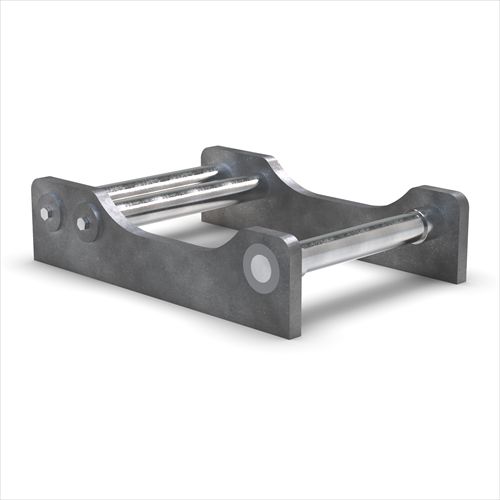
How to Choose the Right Excavator Quick Coupler
S30/150, S40, S45, S60, Lehnhoff or NTP? We explain how to identify which quick coupler your excavator has and which attachment will fit it.
Read more →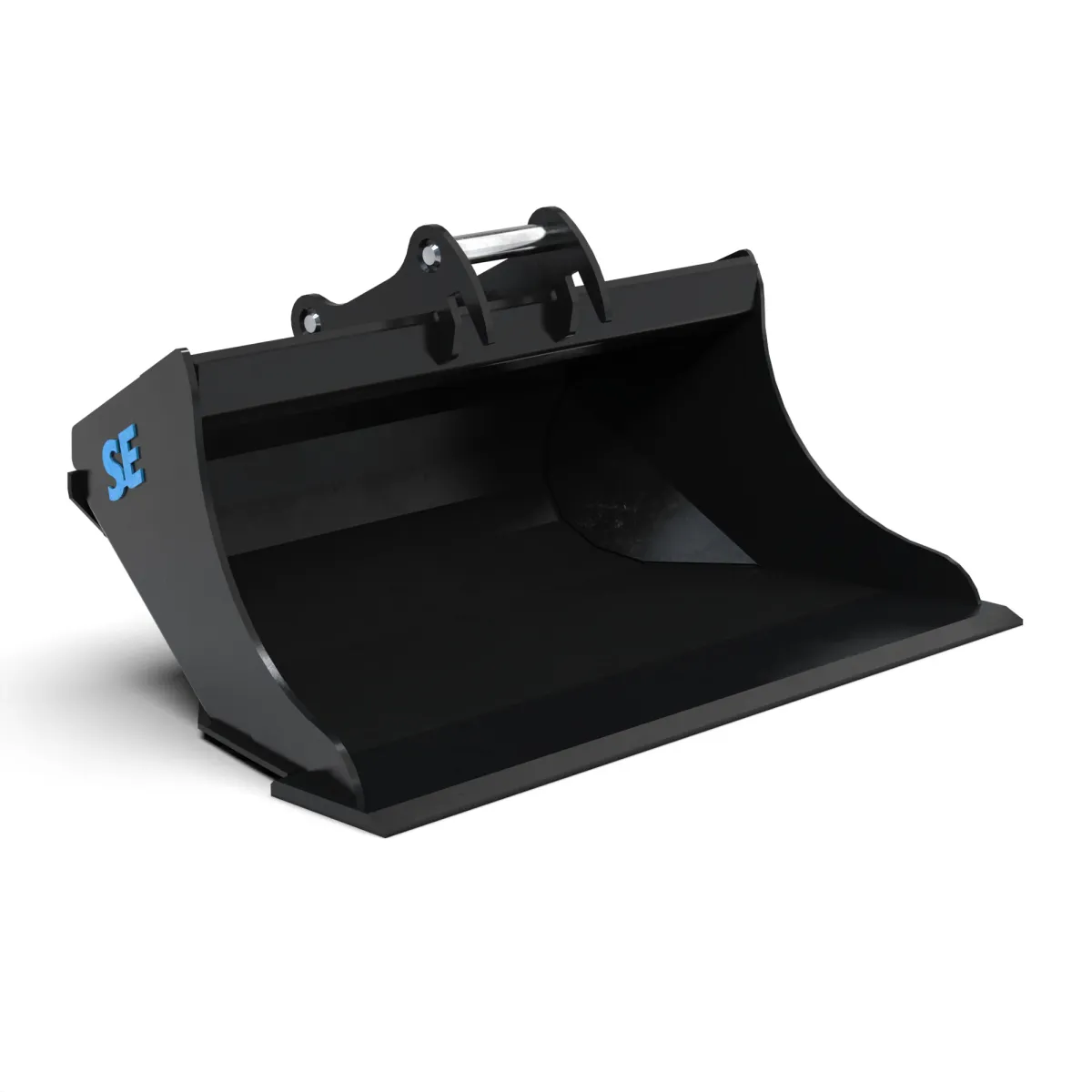
Digging, Grading or Trenching Bucket – Which One Do You Need?
Digging buckets, grading buckets, trenching buckets and ditch-cleaning buckets are built for different jobs. Here's which excavator bucket to use for what.
Read more →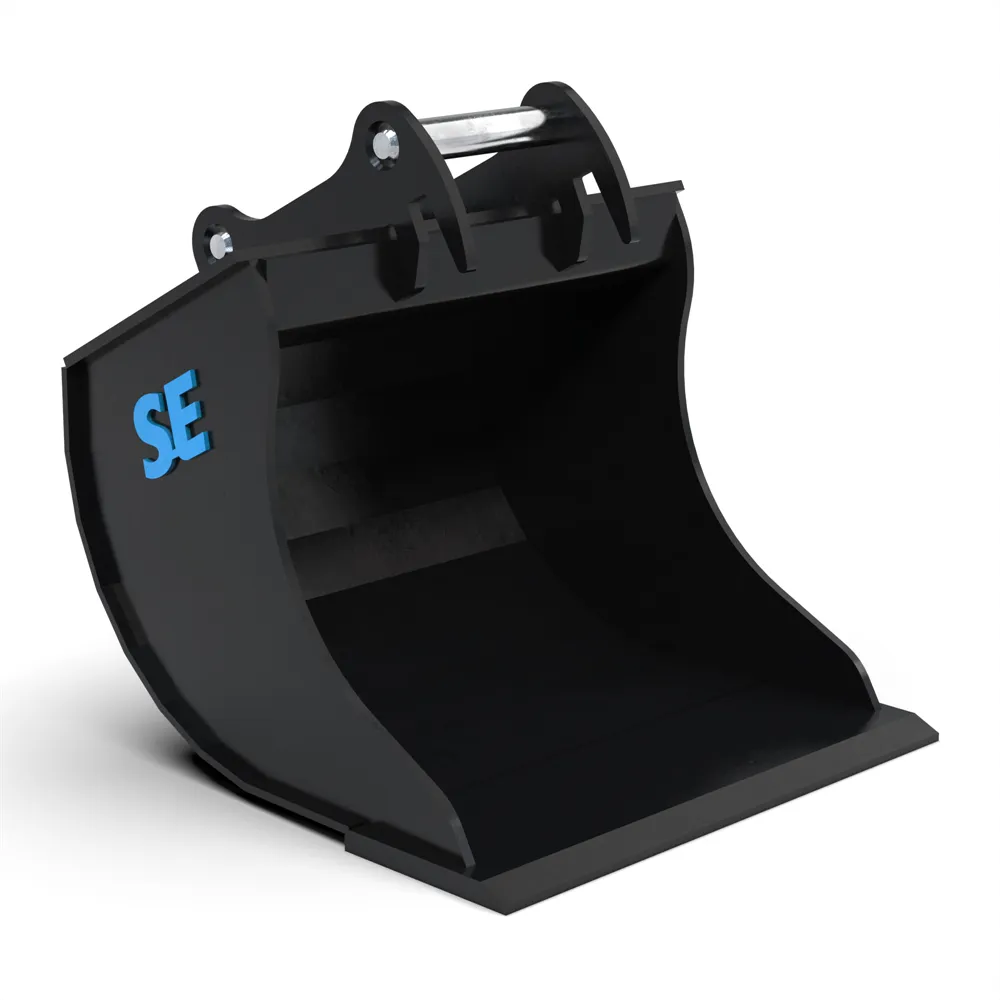
How to Choose the Right Size and Width for an Excavator Bucket
Bucket size depends on the machine, the ground, and the job. We explain what to consider so your bucket matches the machine and the work goes smoothly.
Read more →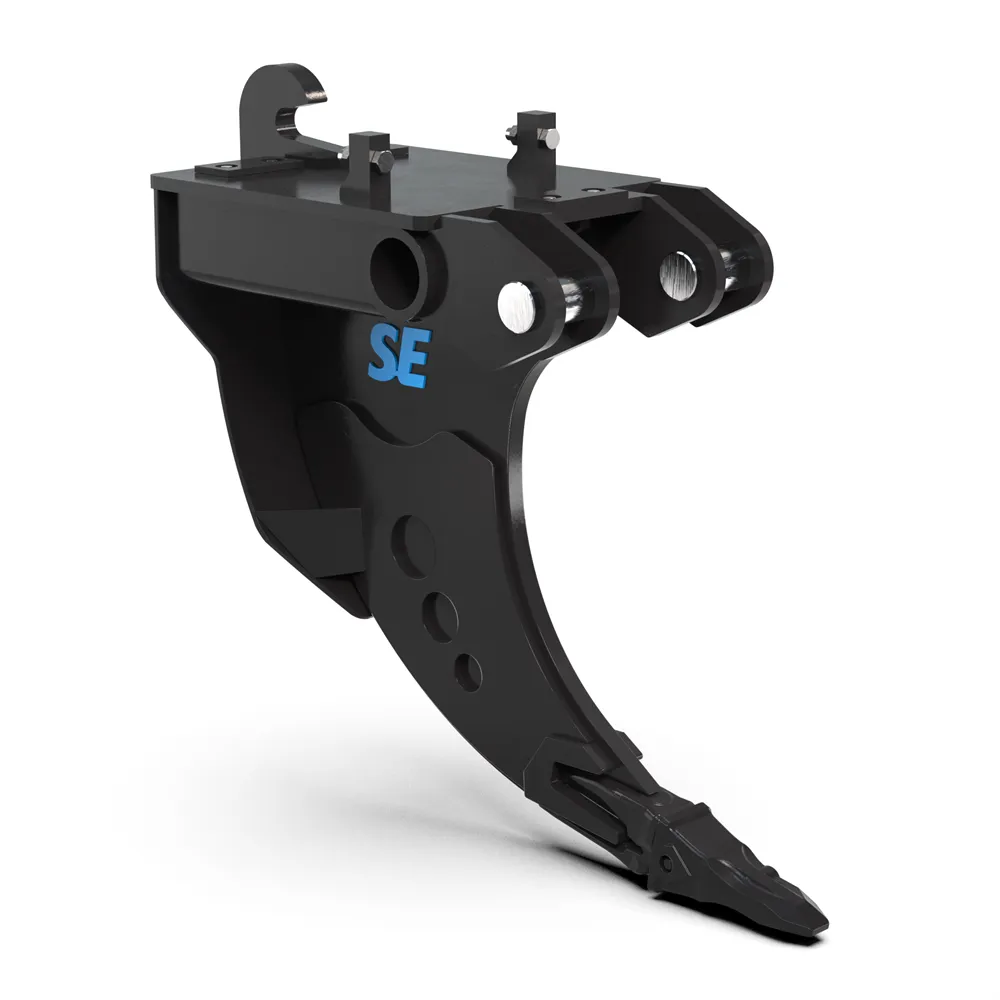
Excavator Ripper Tooth: When Do You Need One and How to Choose?
A ripper tooth breaks up frozen ground, hard clay and stony soil that a bucket can't handle. Here's when you need one and how to pick the right one.
Read more →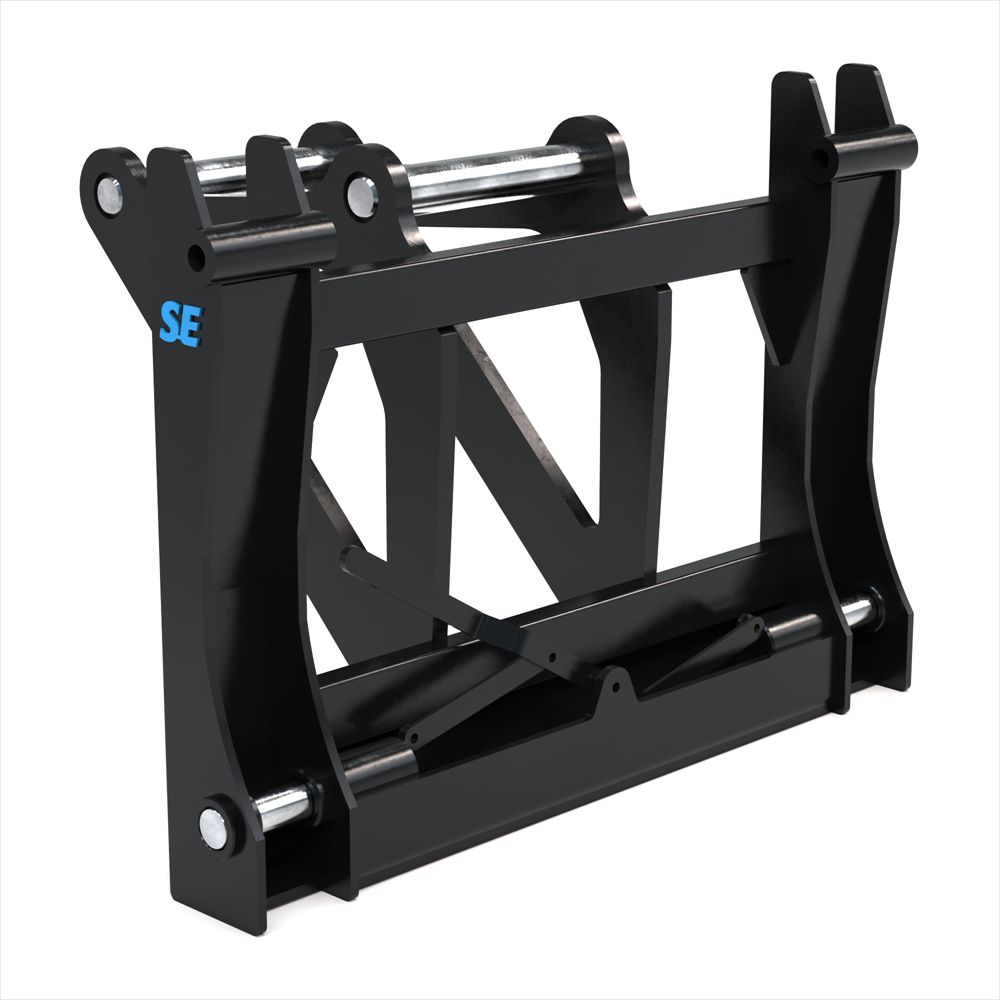
Combi Mount, Cross Mount or Adapter?
Mounts, bolt-on mounting plates, combi mounts, cross mounts and adapters – we explain the difference and when to choose each.
Read more →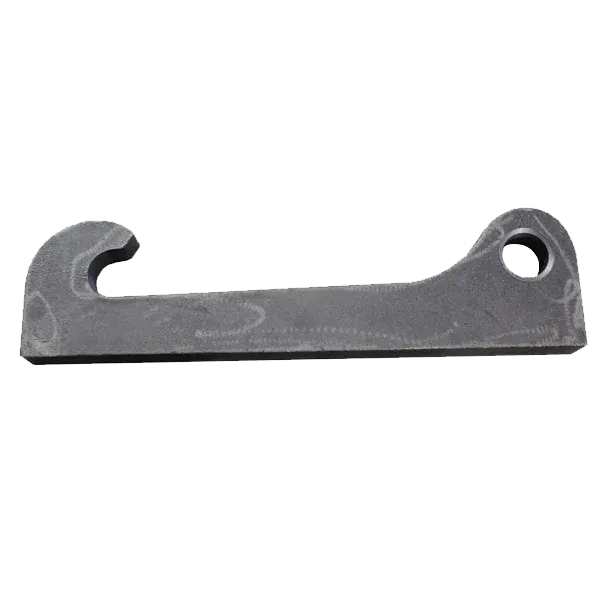
Loader Mounts: SMS, Euro, Big BM, L30
SMS, Euro, Volvo L120 / Big BM, Small BM, L30/Atlas 65, Avant/Multione and 3-point. We explain the differences and how to work out what's on your machine.
Read more →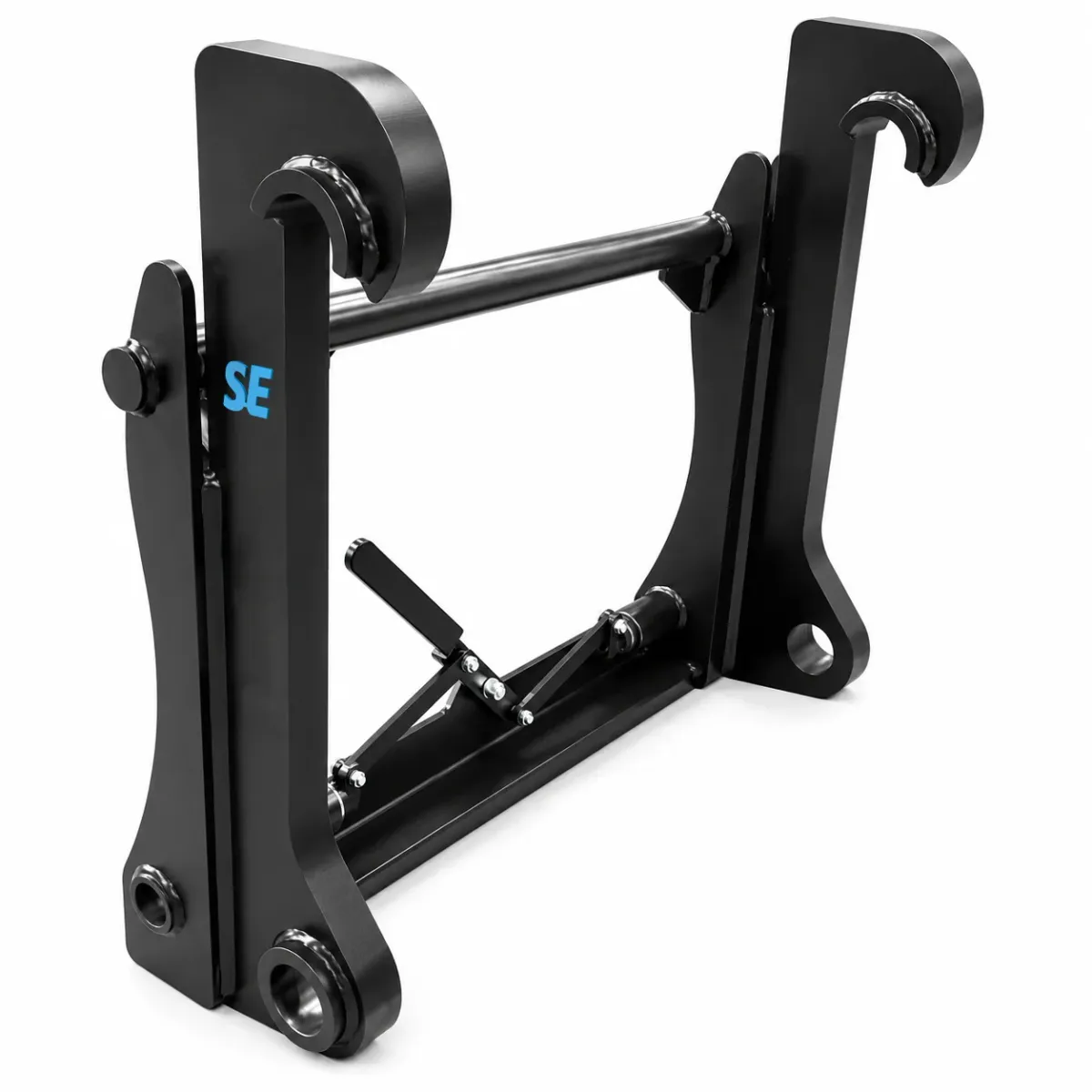
Adapter or New Mount – Which Should You Choose for a Loader?
If an attachment doesn't fit your machine's mount, there are two routes: an adapter or a new mount. We explain when each makes more sense.
Read more →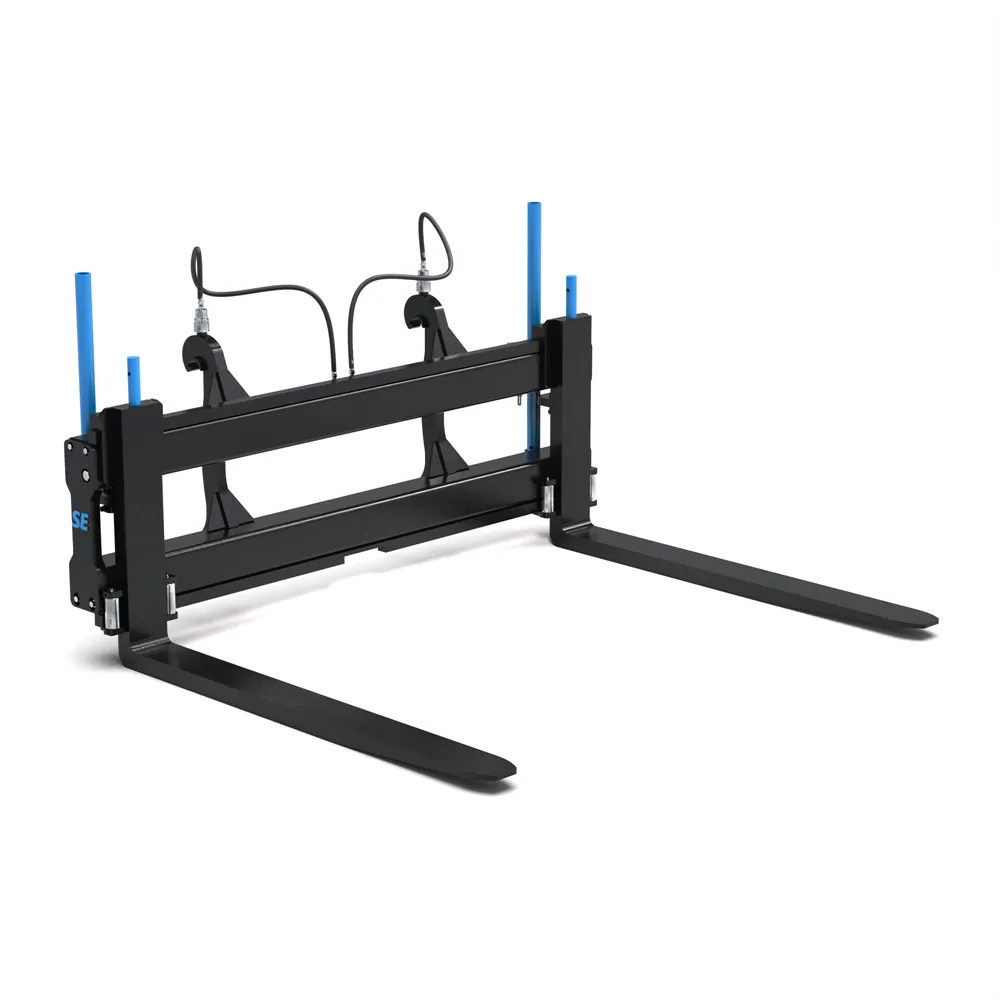
Pallet Forks: Mechanical or Hydraulic?
On mechanical forks you set the tine spacing by hand; on hydraulic forks you adjust it from the cab. We explain the differences and which suits your work better.
Read more →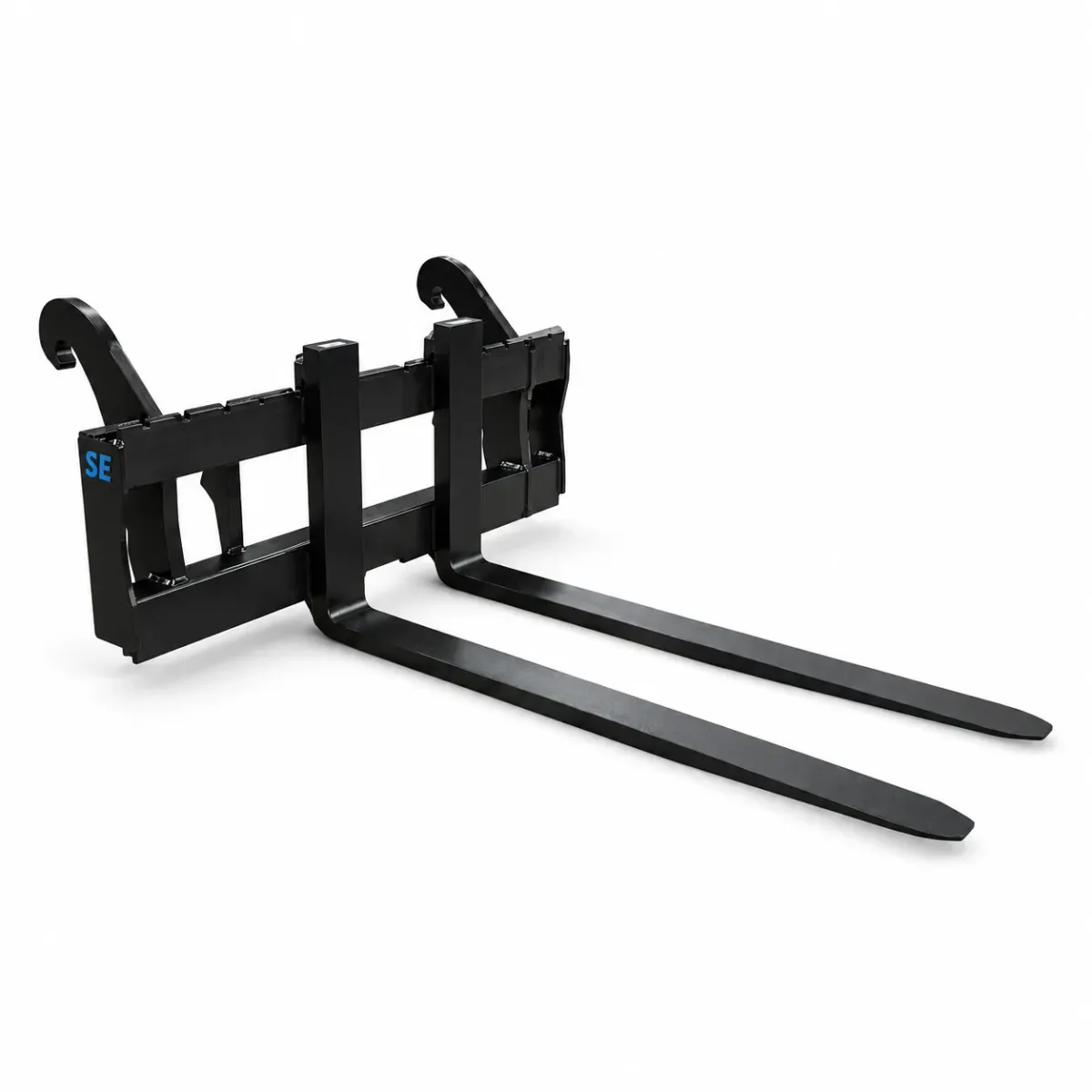
How to Choose Pallet Forks for a Loader or Tractor
Load capacity, tine length, frame width and mount – these four factors determine which pallet forks fit your loader or tractor.
Read more →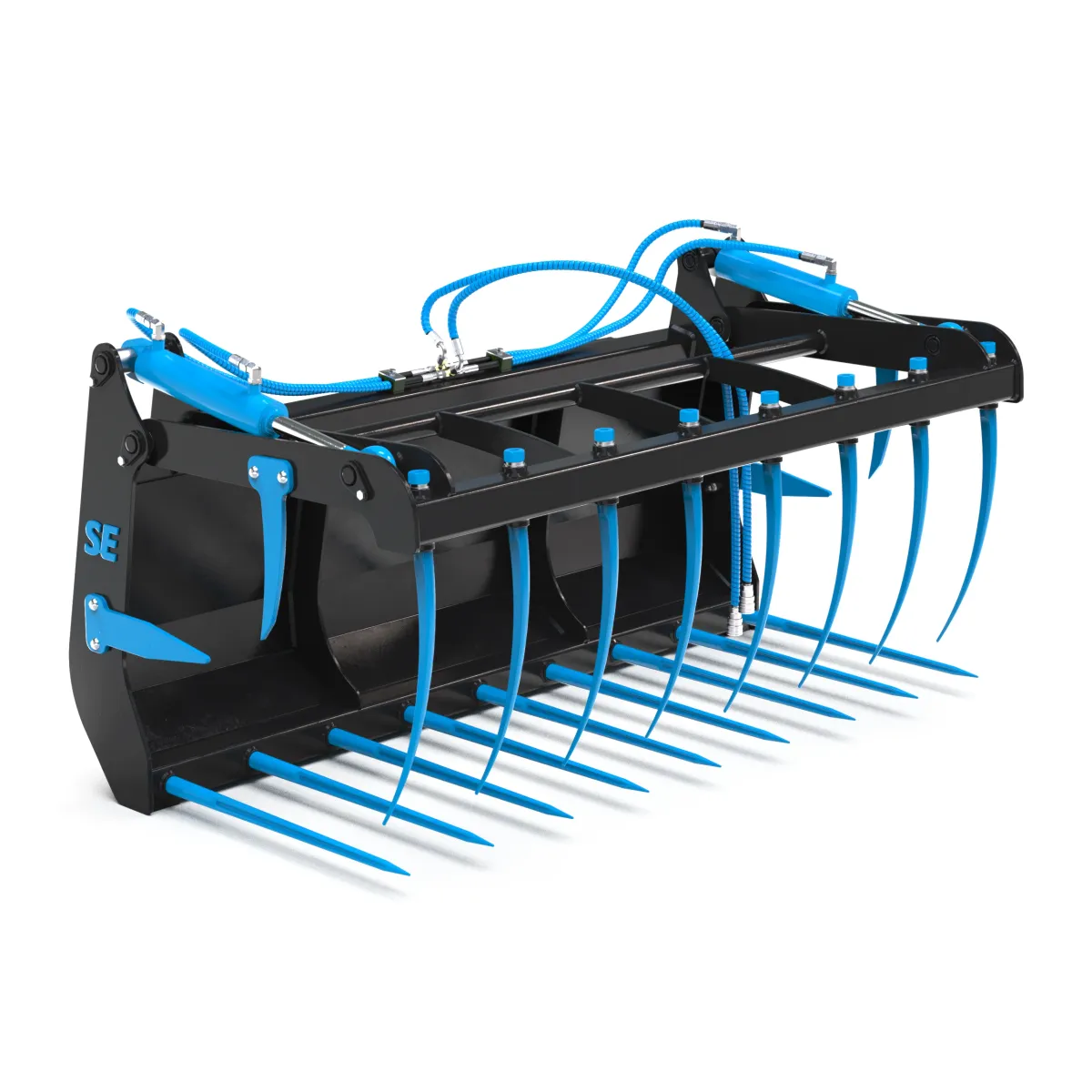
Front Loader Attachments for Tractors on the Farm
Buckets, forks, silage, log and bale grapples, bale spears, a manure fork and a Big Bag lifter. An overview of what to use each one for on the farm.
Read more →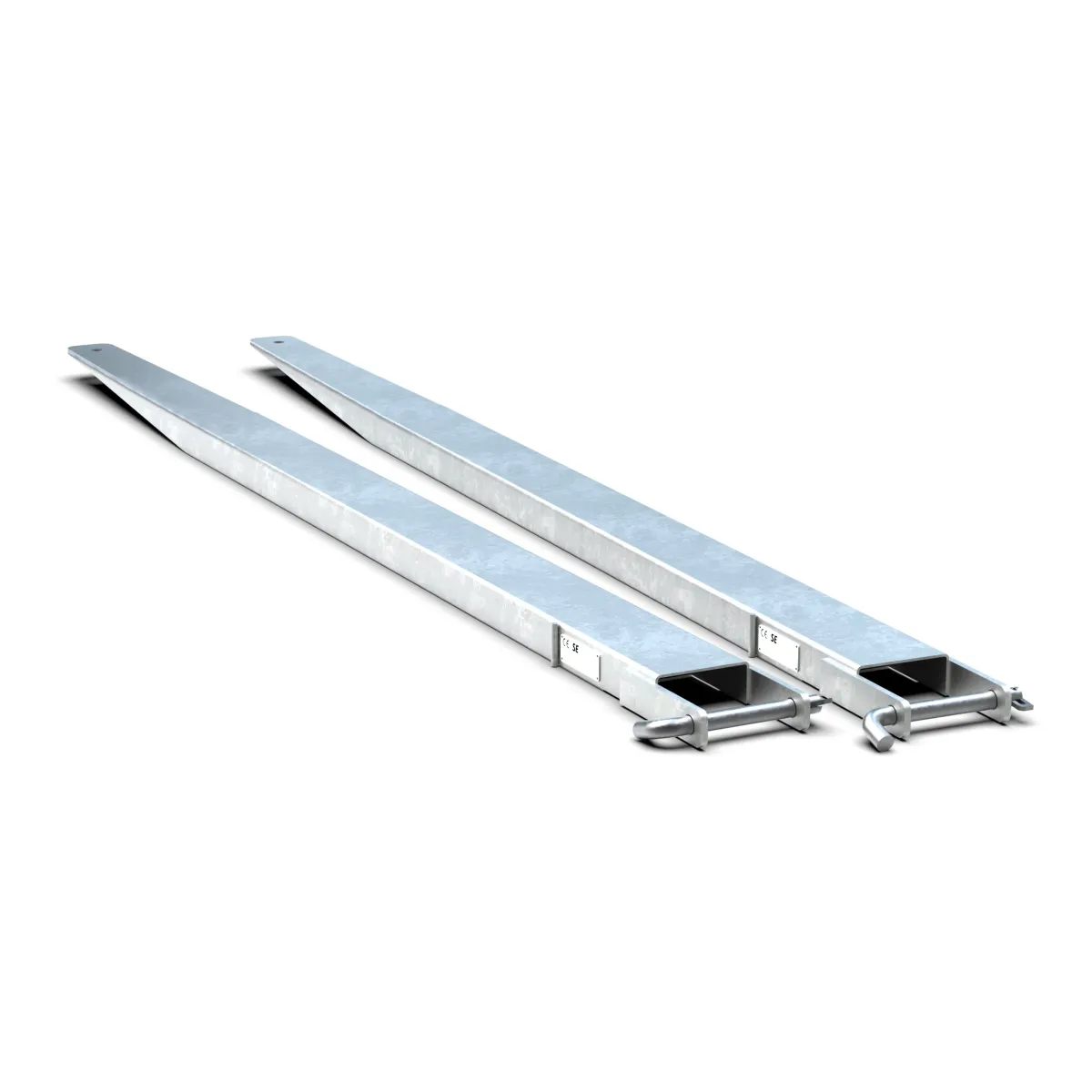
How to Choose Forklift Fork Extensions
Choosing fork extensions starts with measuring your forks: width, thickness and length. We explain how to measure and what matters for safety.
Read more →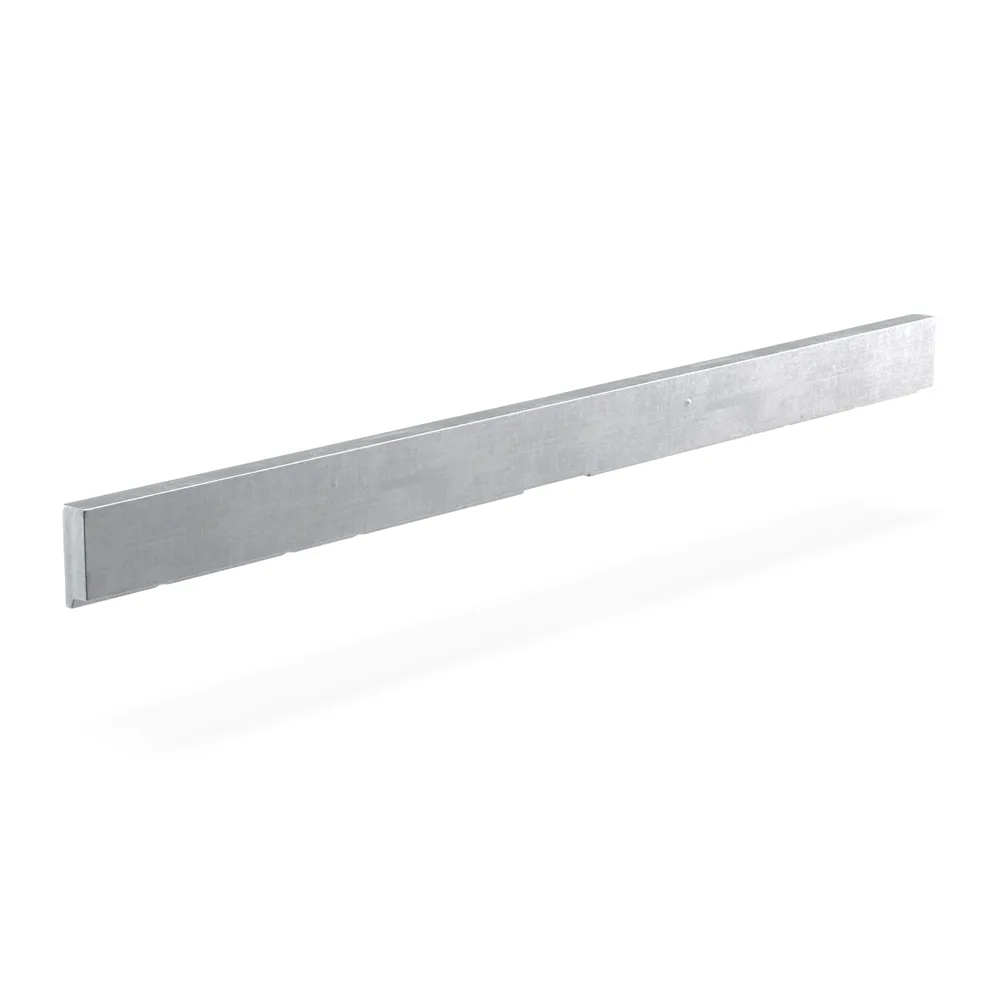
What Is a Forklift's FEM Class and How Do You Measure It?
FEM class describes the height of a forklift's fork carriage. It determines which forks and attachments fit your forklift.
Read more →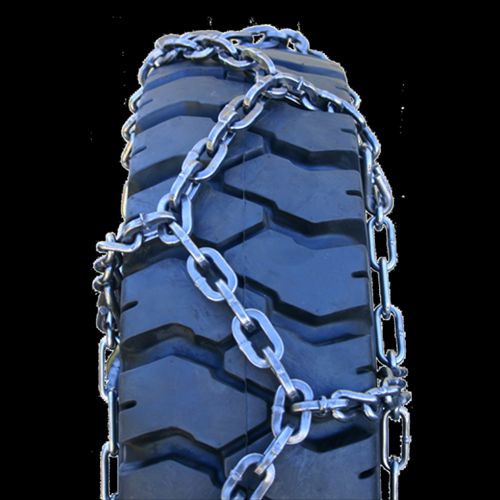
How to Choose Forklift Snow Chains
Snow chains are chosen based on tyre size. We explain where to find the size and how the Zick-Zack, Stud and Straight patterns differ.
Read more →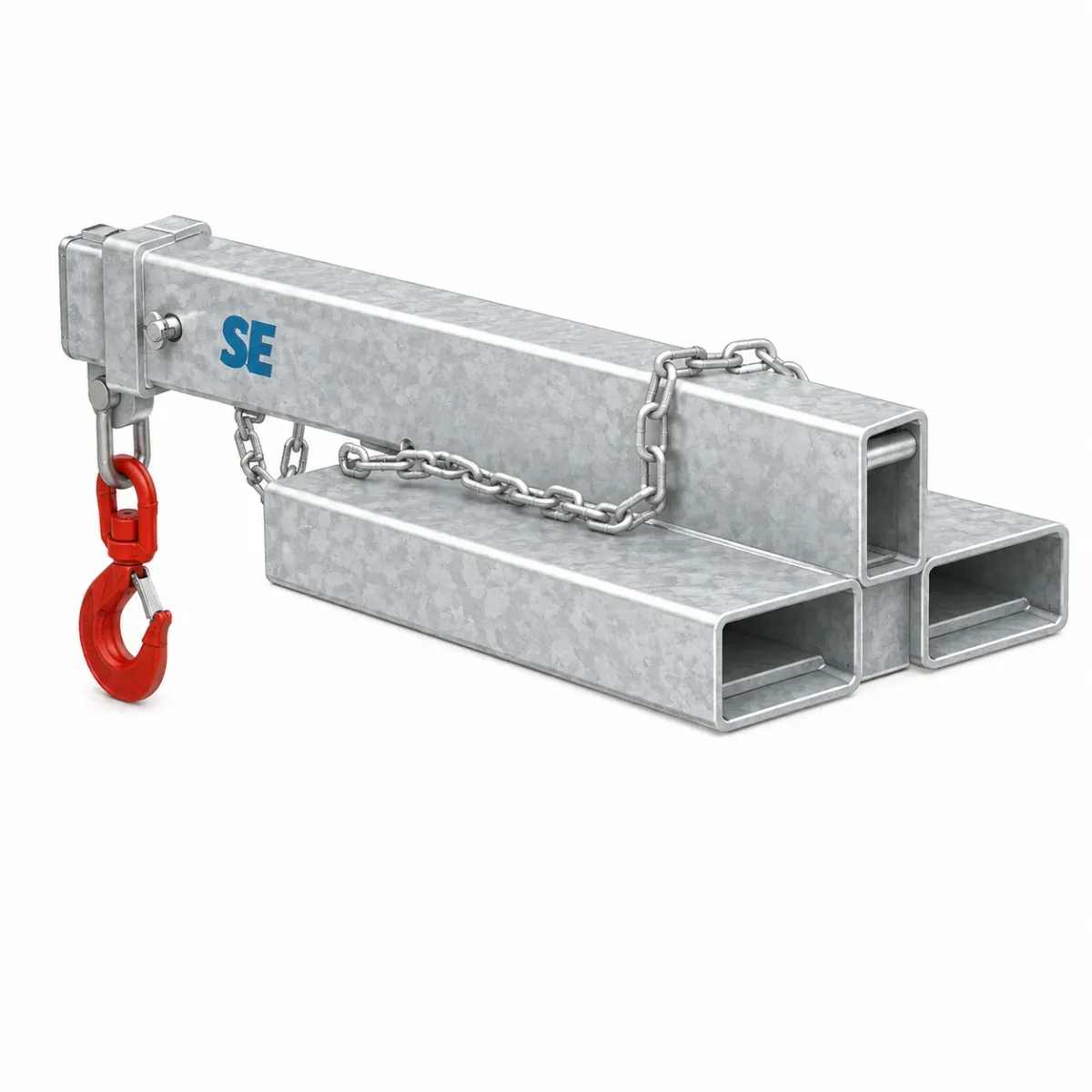
Crane Jib and Lifting Hook for Forklifts – How to Choose
A crane jib and lifting hook turn a forklift into a small crane. We explain how to choose the right load capacity and what to watch for on safety.
Read more →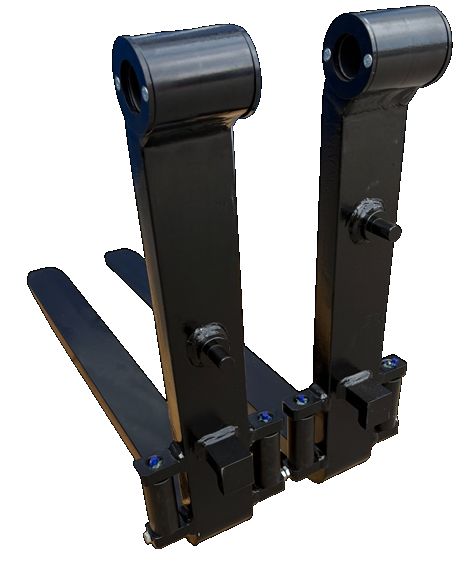
Forklift Attachments That Make Warehouse Work Easier
Side shifters, drum handlers, carpet booms, personnel cages and container ramps. An overview of forklift attachments that save time and improve safety.
Read more →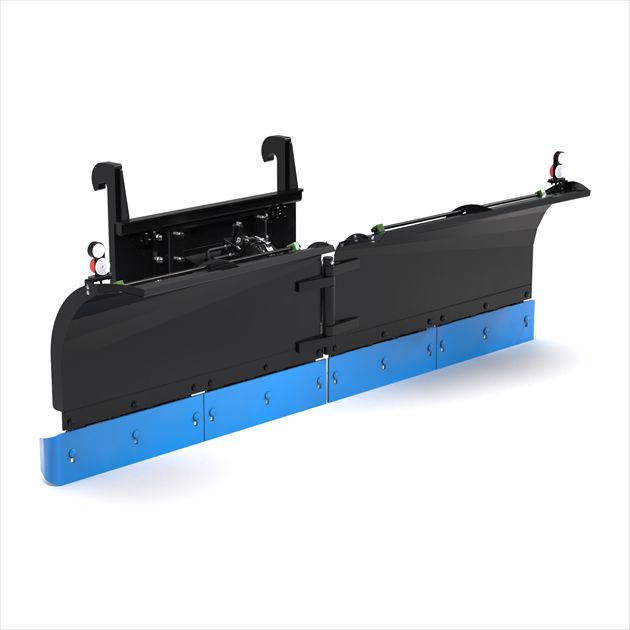
Clearing Snow with a Loader or Tractor – Which to Pick?
A V-plough, a winged snow bucket, a light-material bucket, or a snow extension for a grading bucket – when to use each, and what to think about when choosing.
Read more →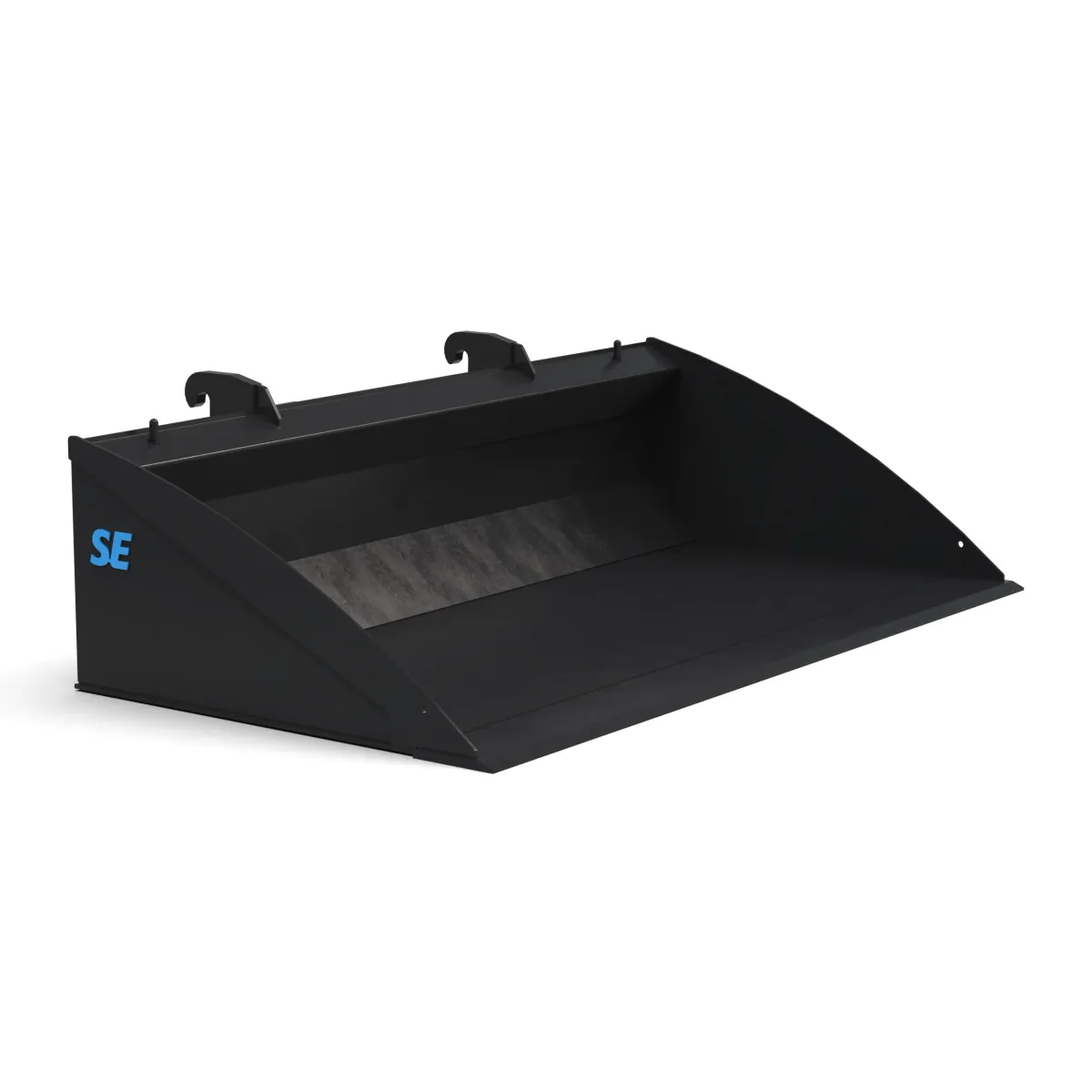
Grading, Loading or General-Purpose Bucket?
Grading buckets, light-material buckets, loading buckets and general-purpose buckets look similar but suit different jobs. Here's how to choose.
Read more →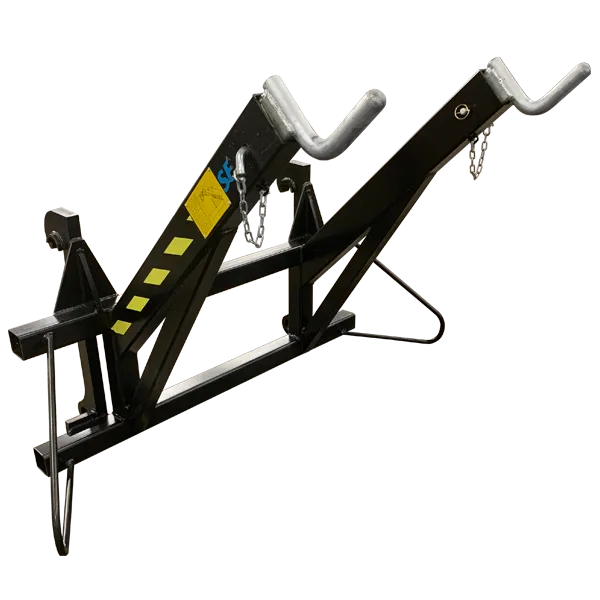
Big Bag Bag Lifter: How to Choose the Right Lifting Frame
A Big Bag bag lifter helps you safely lift large bags with a loader, tractor or forklift. We look at whether to choose 1 or 2 hooks and which mount.
Read more →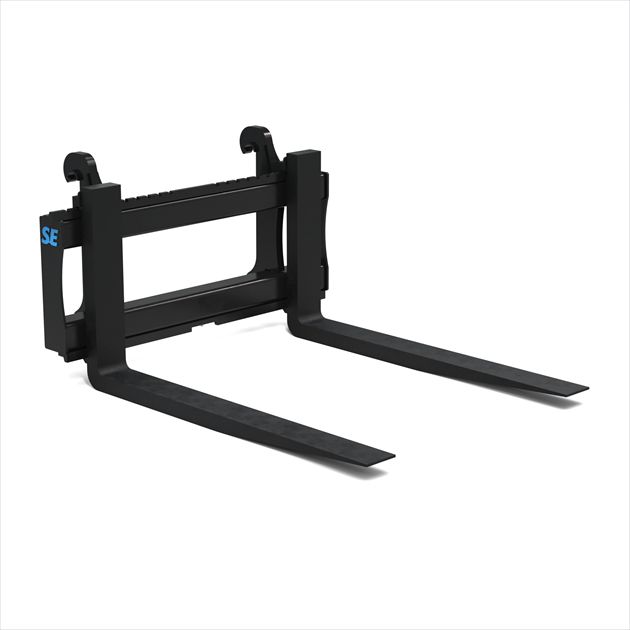
Telehandler Attachments: Manitou and JCB Q-fit
Forks, buckets, a crane jib and adapters for telehandlers. We explain what to choose for a machine with a Manitou or JCB Q-fit mount.
Read more →What to Know Before Ordering an Attachment: A Checklist
Machine make and model, mount, dimensions, load capacity and hydraulics – a checklist to make sure your attachment fits your machine right away.
Read more →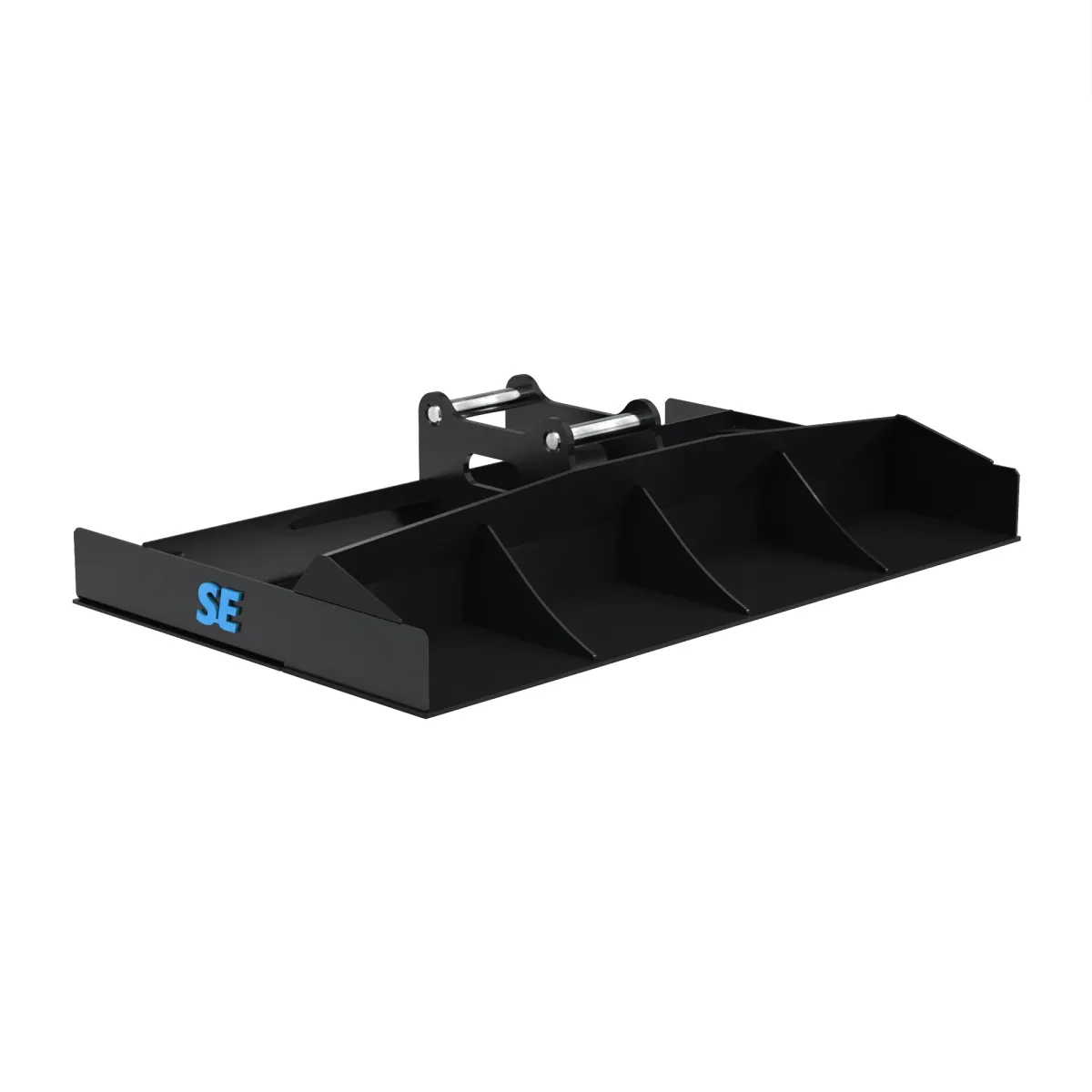
Excavator Screening Bucket - When Do You Need One?
A screening bucket sifts stones and roots out of the soil and leaves a level, even surface behind. See when it beats a digging bucket or a grading bucket.
Read more →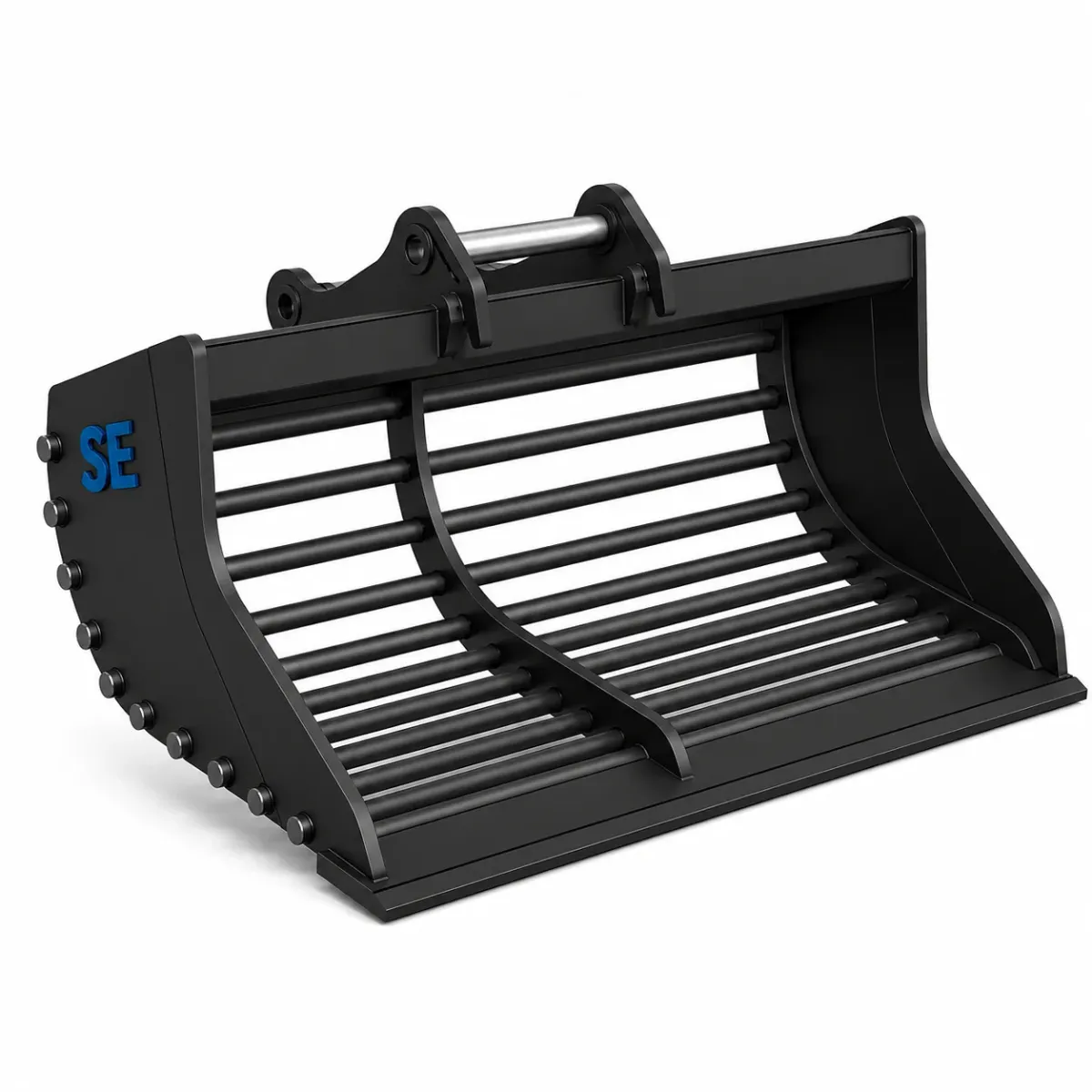
Excavator Skeleton Bucket vs. Digging Bucket - What's the Difference?
A skeleton bucket screens stones and roots out of soil, while a digging bucket is for general use. See when to choose which, and how to use them together.
Read more →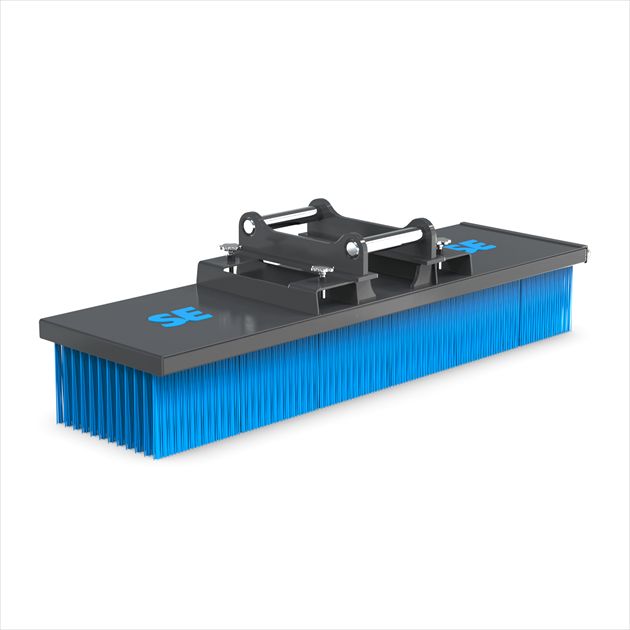
Excavator Mechanical Sweeper - for Cleaning Streets and Yards
A mechanical sweeper clears streets, yards and sidewalks of dust and small debris. See when it's the right attachment for your excavator.
Read more →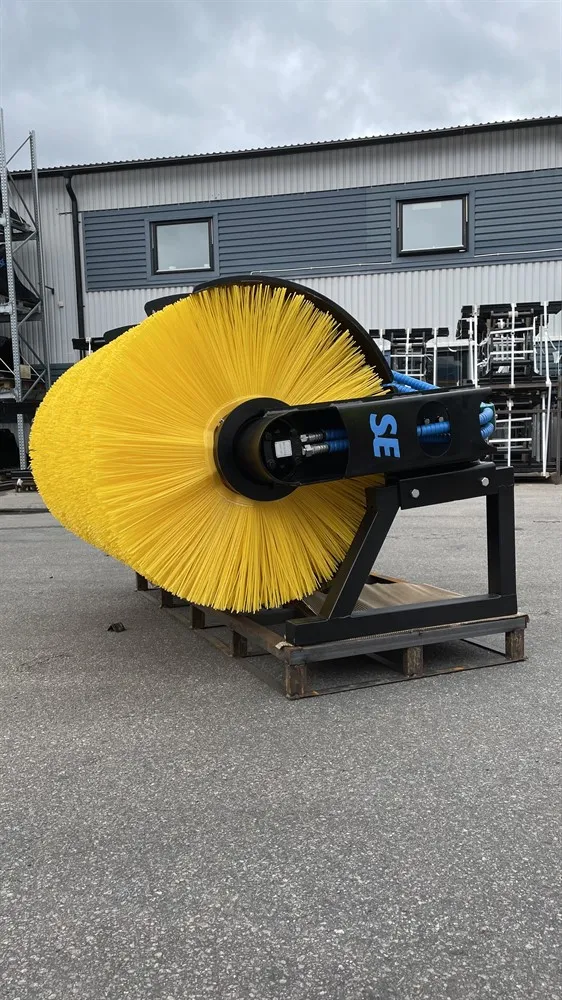
Hydraulic Sweeper vs. Mechanical Sweeper for Excavators
A hydraulic sweeper can be adjusted from the cab, while a mechanical one is simpler and cheaper. See how to choose between the two sweeper types.
Read more →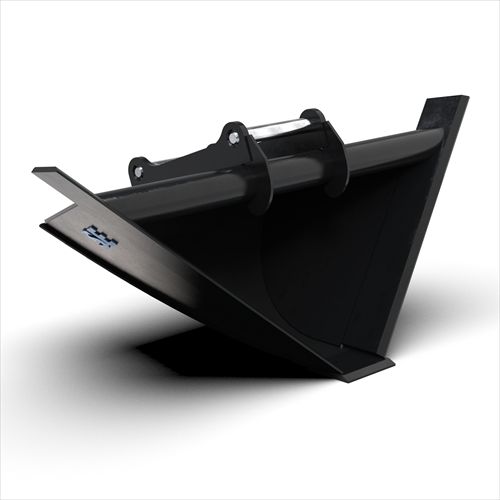
Ditching Bucket - Digging and Cleaning Ditches with an Excavator
A ditching bucket is a V- or U-shaped bucket for digging and cleaning ditches. See when to choose it over a digging bucket or a grading bucket.
Read more →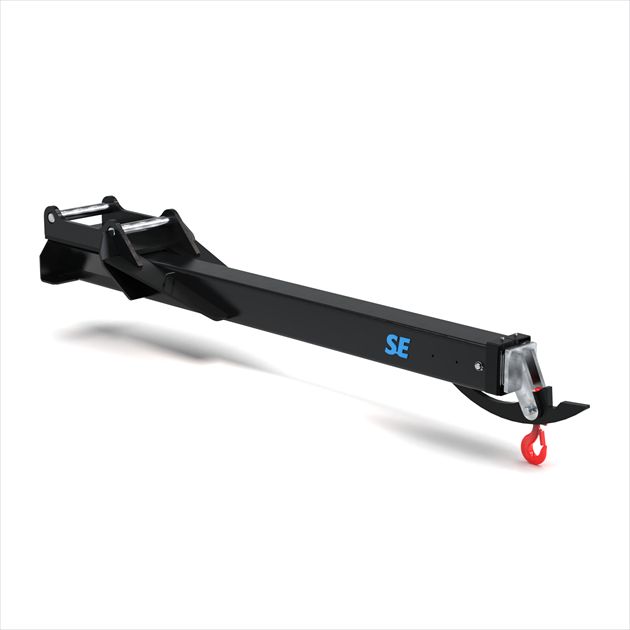
Excavator Crane Jib - What Can It Take Over from Your Job?
A crane jib temporarily turns your excavator into a light crane for lifting pipes, panels and pallets. See when it saves you from hiring a separate crane.
Read more →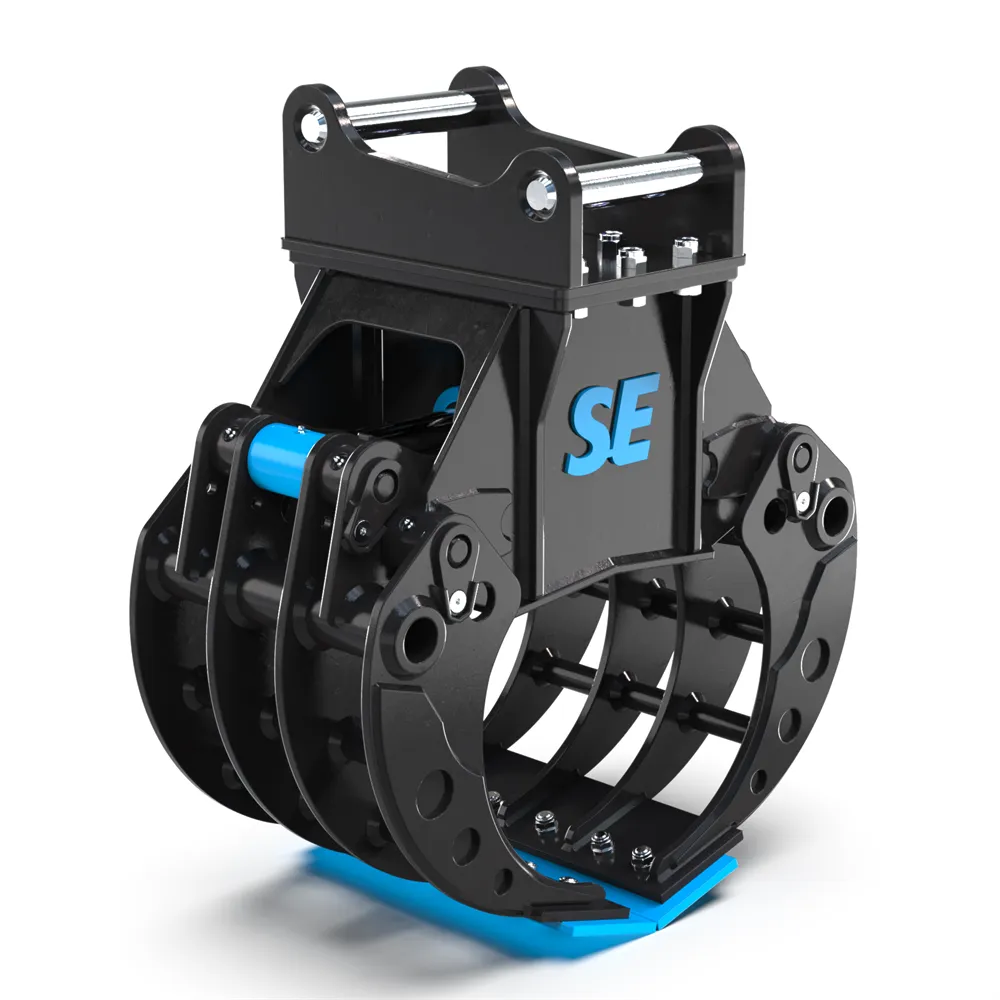
Excavator Grapple - Lifting Logs and Stones in One Motion
A grapple grabs and holds logs, stones and debris without extra slings. See when it's a faster and safer solution than a bucket.
Read more →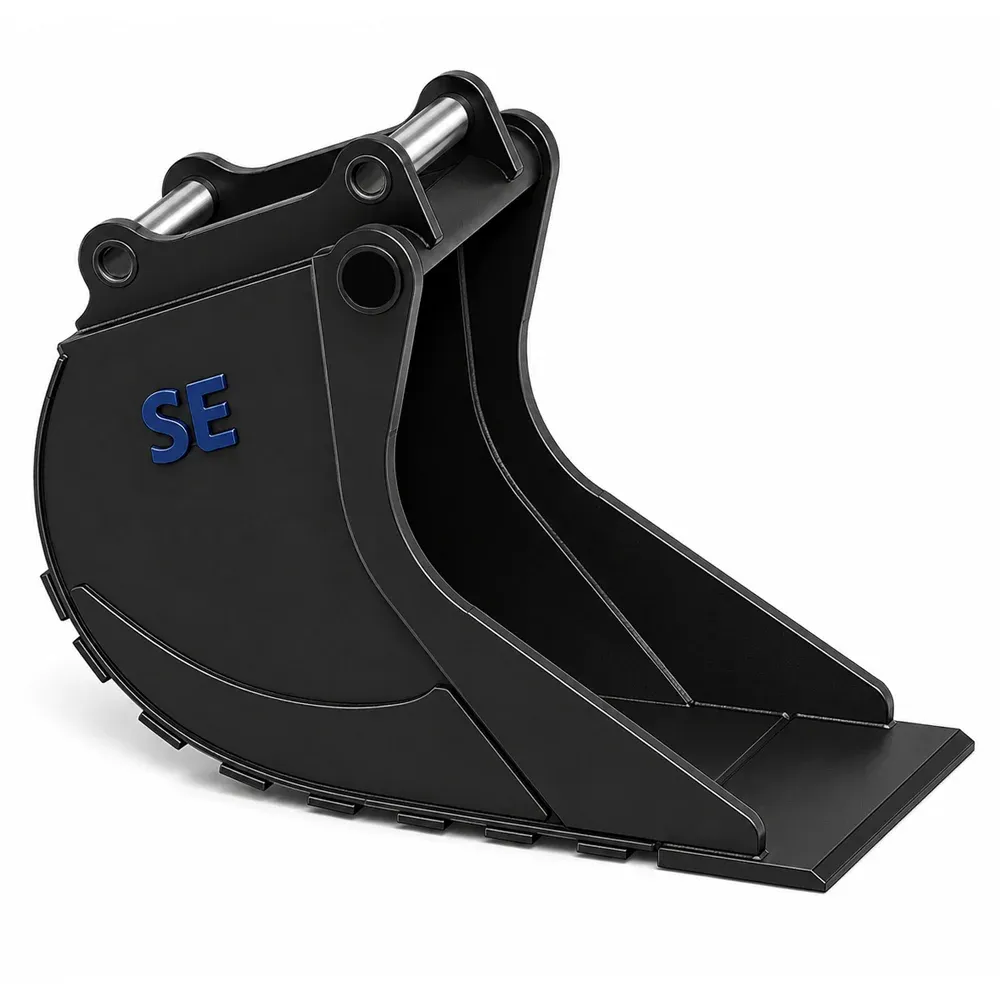
What Is a WD Bucket and When Do You Need One?
A WD bucket is a reinforced digging bucket built for heavy, stony ground. See how it differs from a standard digging bucket.
Read more →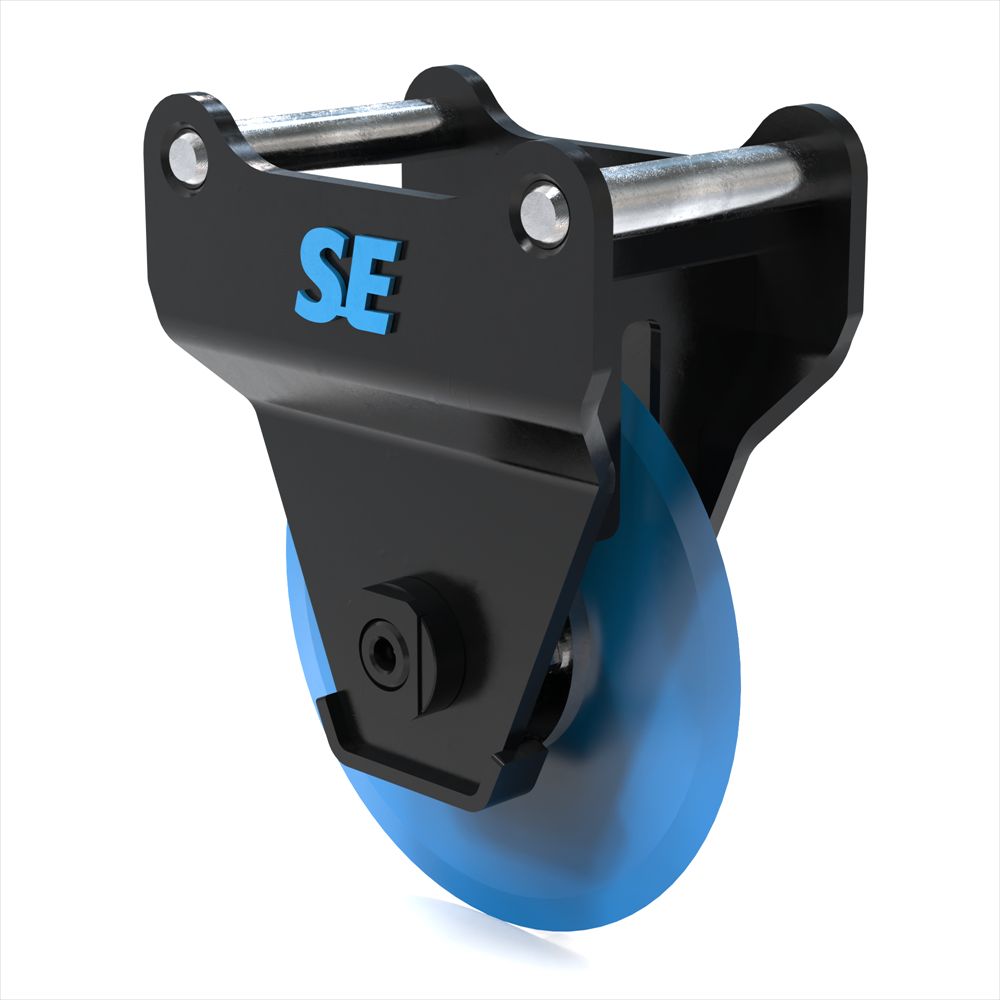
Excavator Asphalt Cutter - When You Need One and When You Don't
An asphalt cutter cuts straight, precise lines before excavation work. See when it makes the job tidy and when it's an oversized investment.
Read more →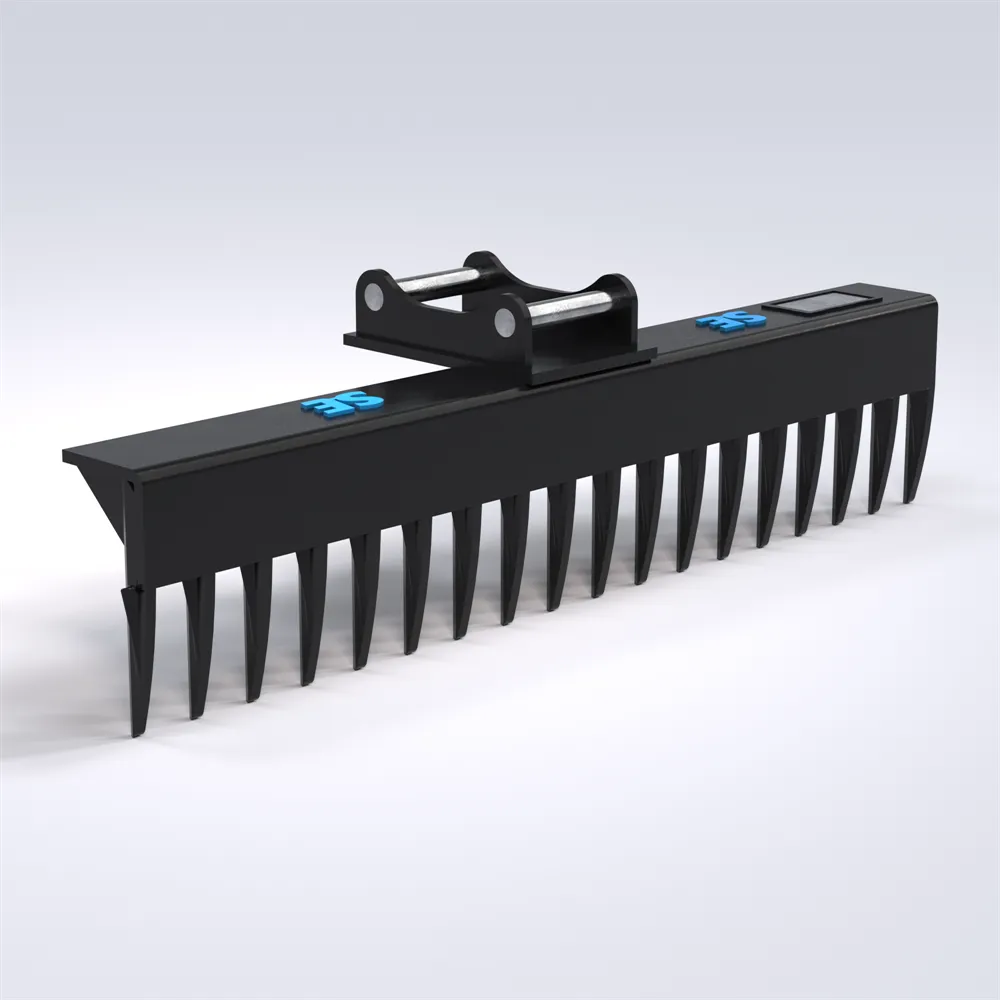
Excavator Rake - Screening Stones and Roots Out of Soil
A rake screens stones and roots out of soil, leaving usable soil behind. See when it's a better choice than a skeleton bucket or screening bucket.
Read more →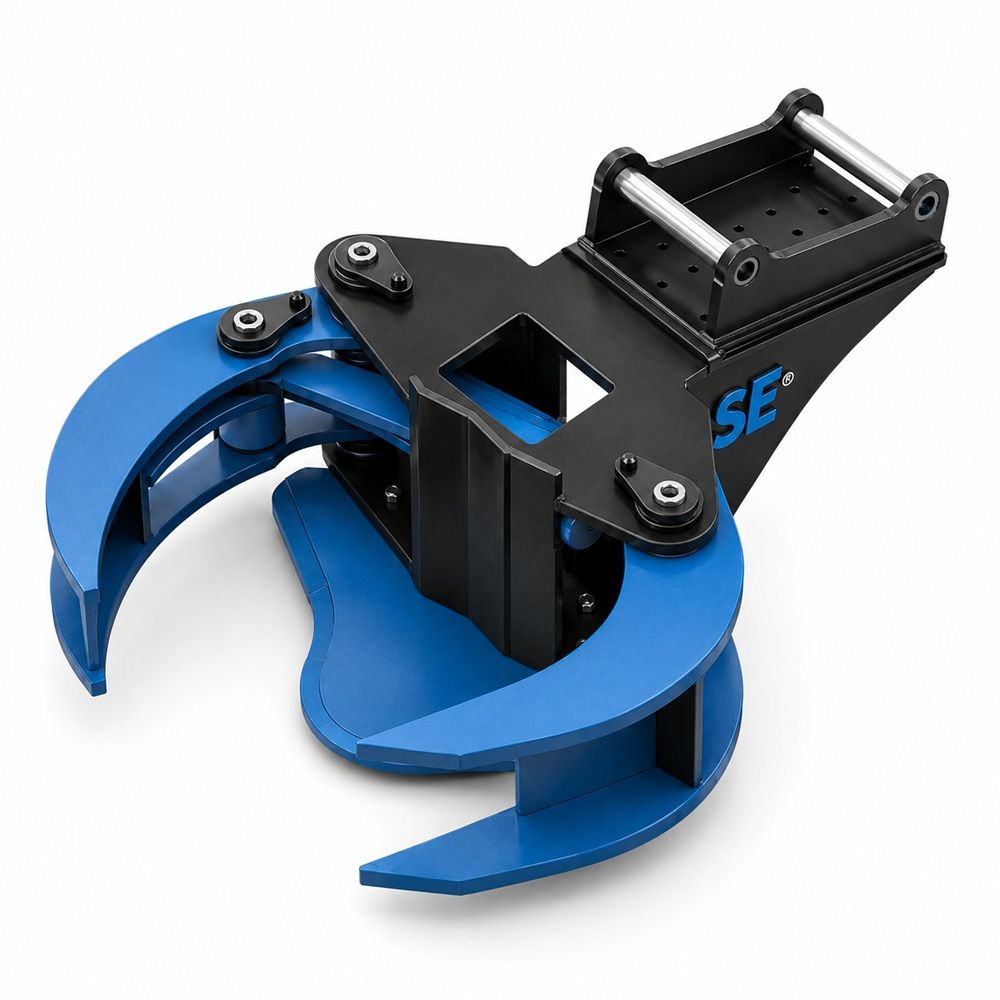
Excavator Tree Shear - Clearing Forest and Brush
A tree shear cuts down trees and brush quickly without a chainsaw. See when it pays off for land clearing.
Read more →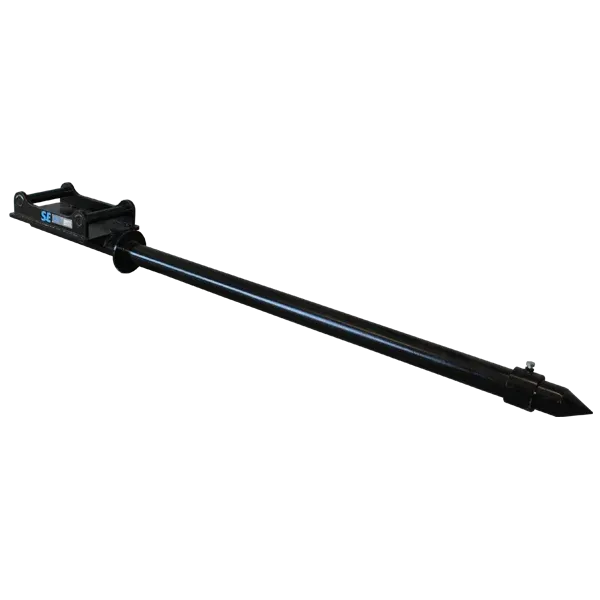
Excavator Cable Drum Lifter - A Safe Solution for Heavy Drums
A cable drum lifter holds and rotates heavy cable drums safely during cable installation. See when you need one and what to check when choosing.
Read more →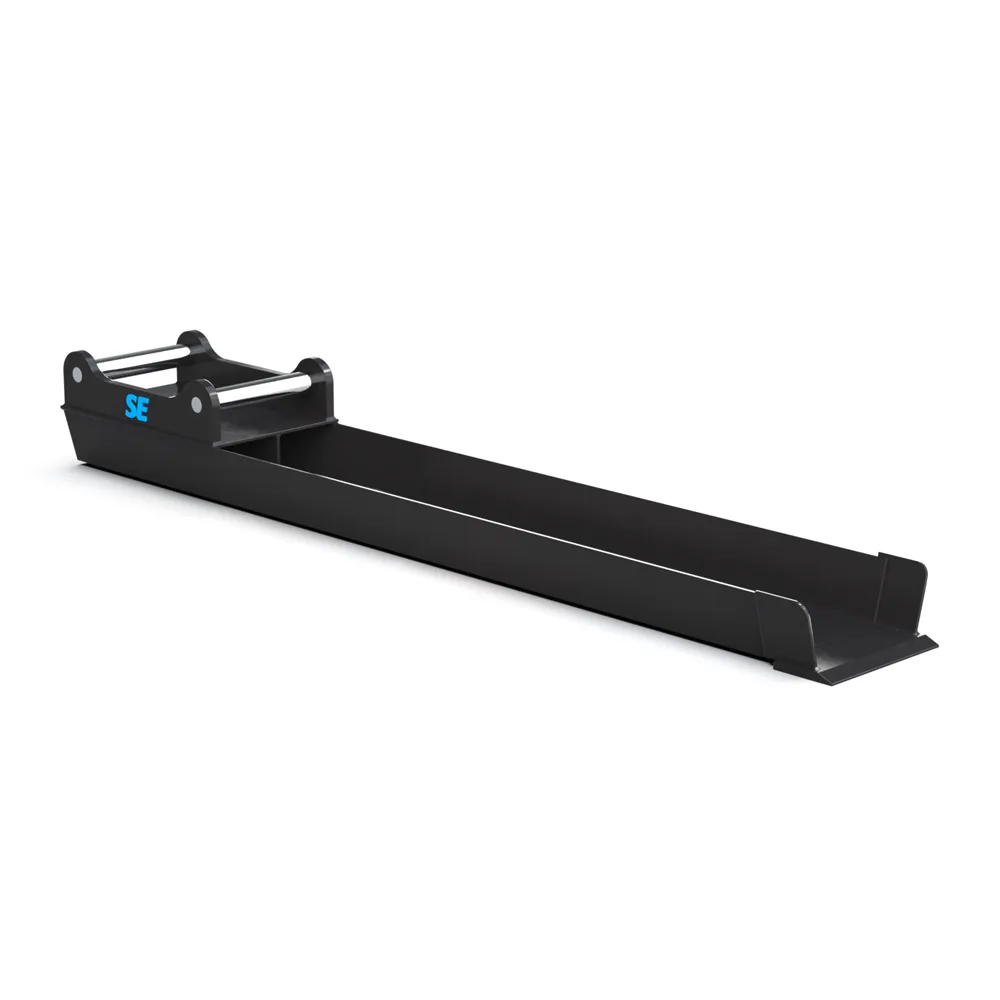
Excavator Concrete Bucket - How Does It Differ from a Regular Digging Bucket?
A concrete bucket is smooth and sealed, built for mixing and pouring concrete. See when it's a better choice than a digging bucket.
Read more →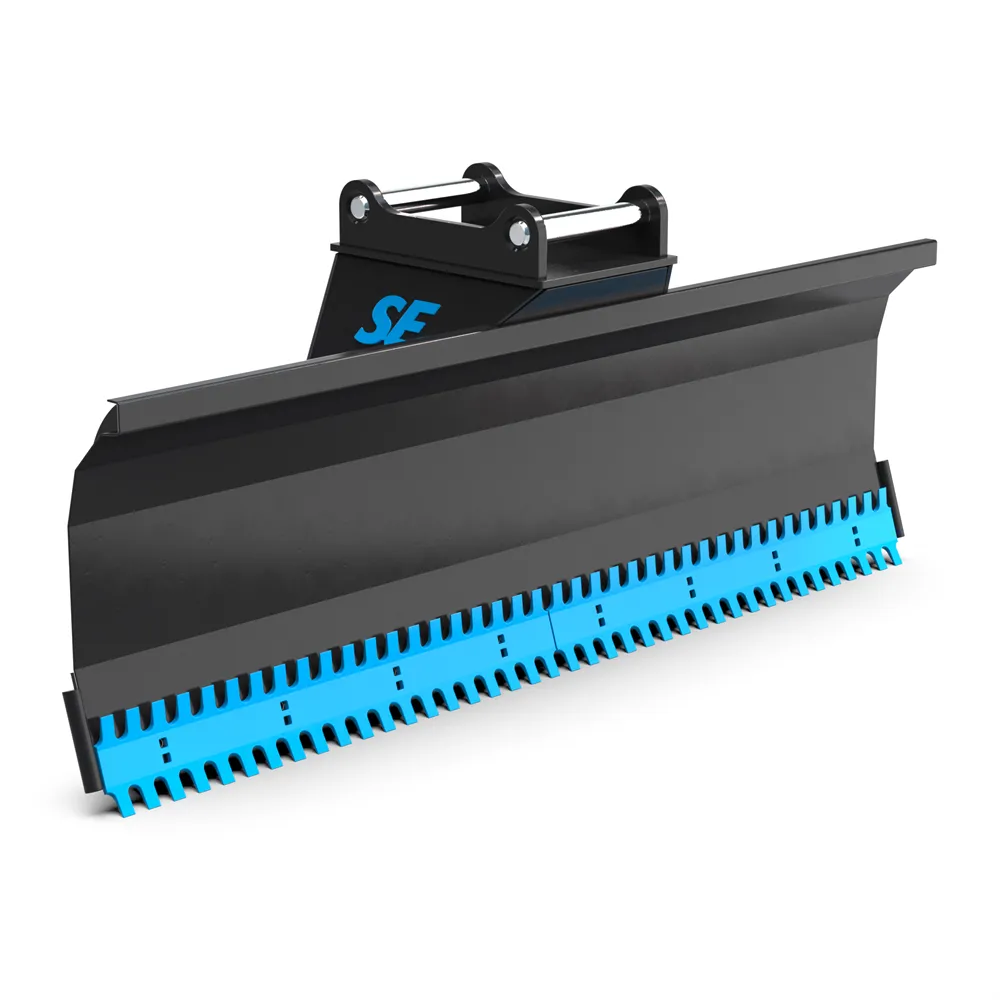
Excavator Ice Scraper - A Winter Road Maintenance Attachment
An ice scraper removes packed snow and ice from roads and yards. See when it's a better choice than a snow bucket or plow for winter maintenance.
Read more →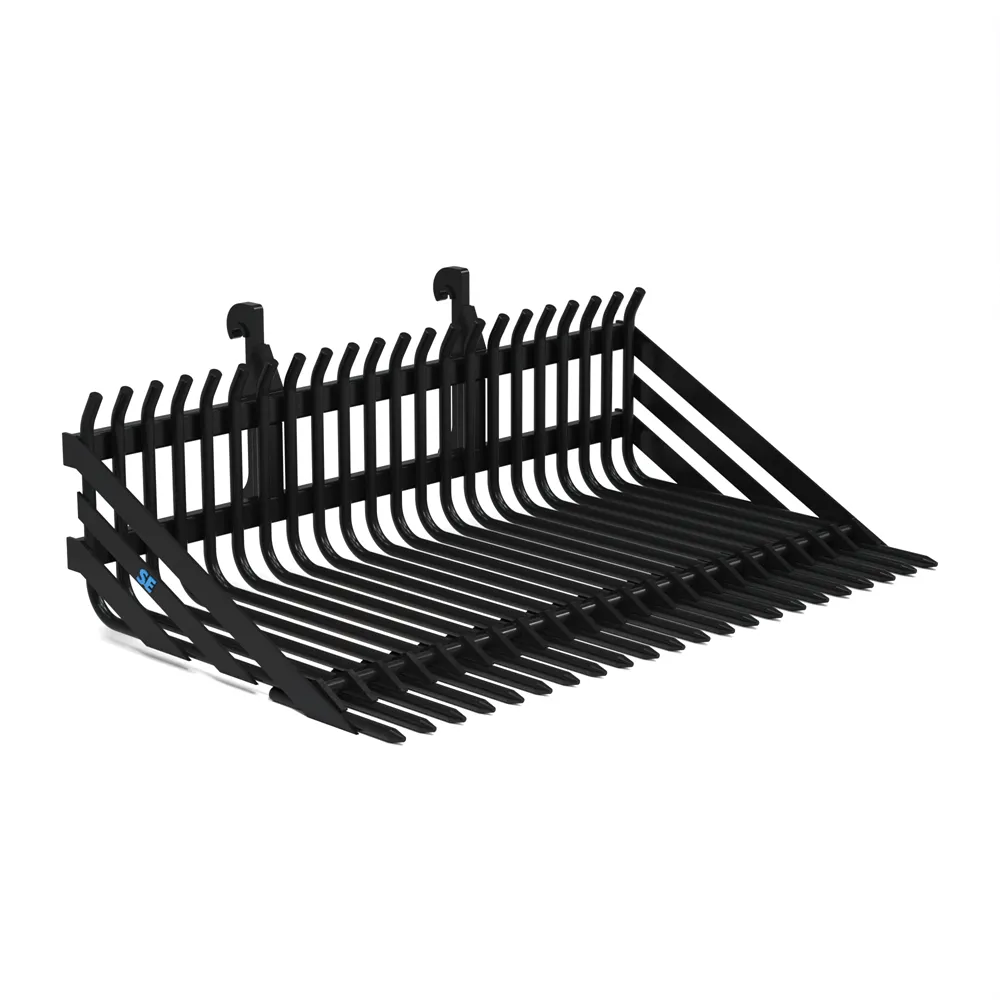
Wheel Loader Skeleton Bucket - A Helper for Gardening and Landscaping
A wheel loader skeleton bucket screens stones and debris out of soil, mulch and compost. See when it outperforms a regular bucket in landscaping work.
Read more →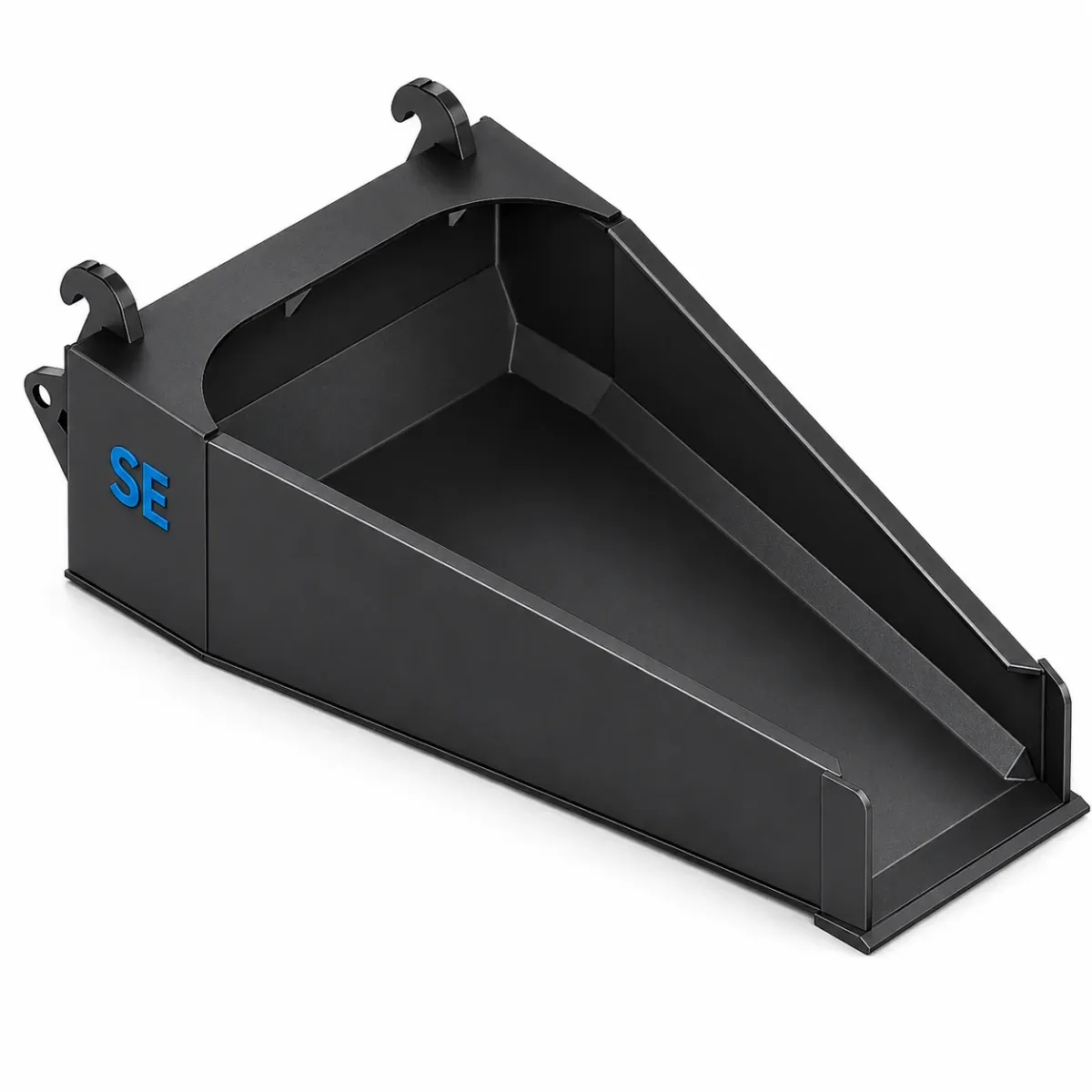
Wheel Loader Concrete Bucket - Mixing and Pouring Concrete on Site
A concrete bucket helps mix and precisely pour concrete on a construction site. See when it's more practical than a regular loader bucket.
Read more →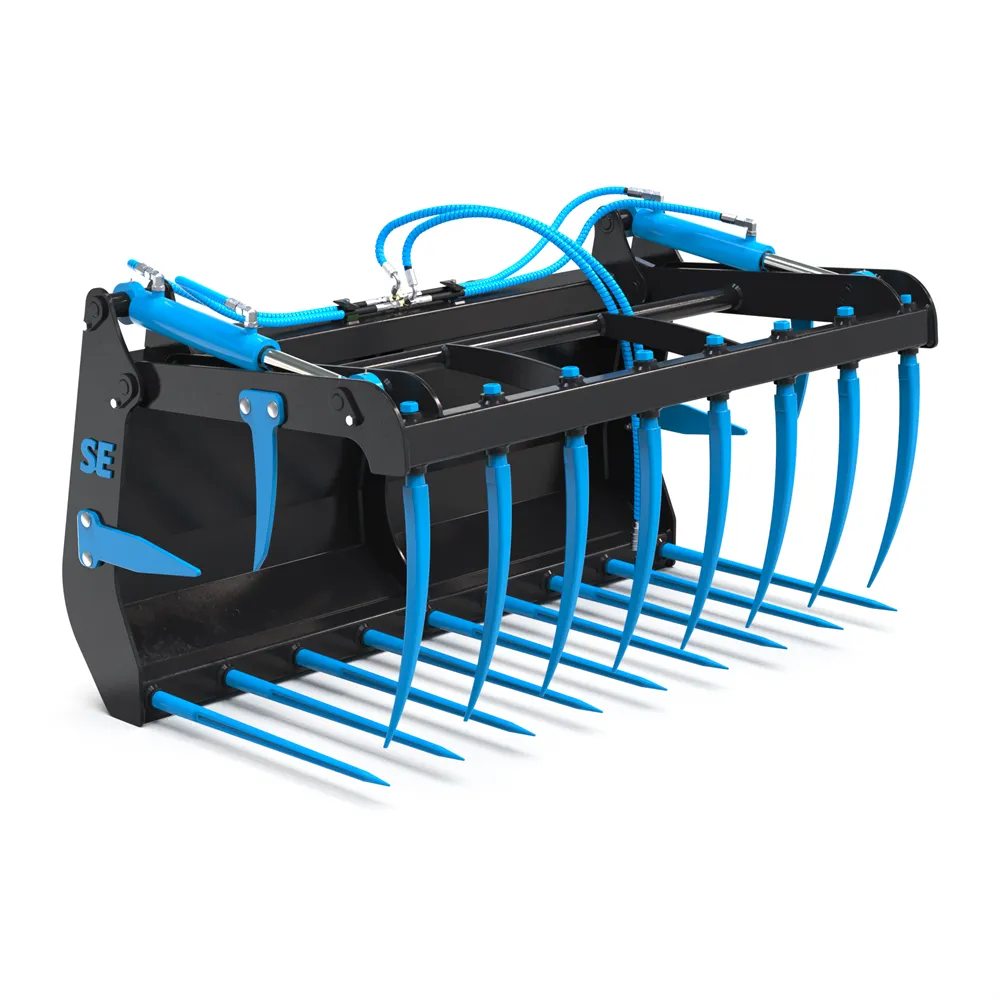
Wheel Loader Silage Grab - Handling Silage and Hay on the Farm
A silage grab lifts and distributes silage, hay and straw quickly and efficiently. See when it saves time and effort during feeding work on the farm.
Read more →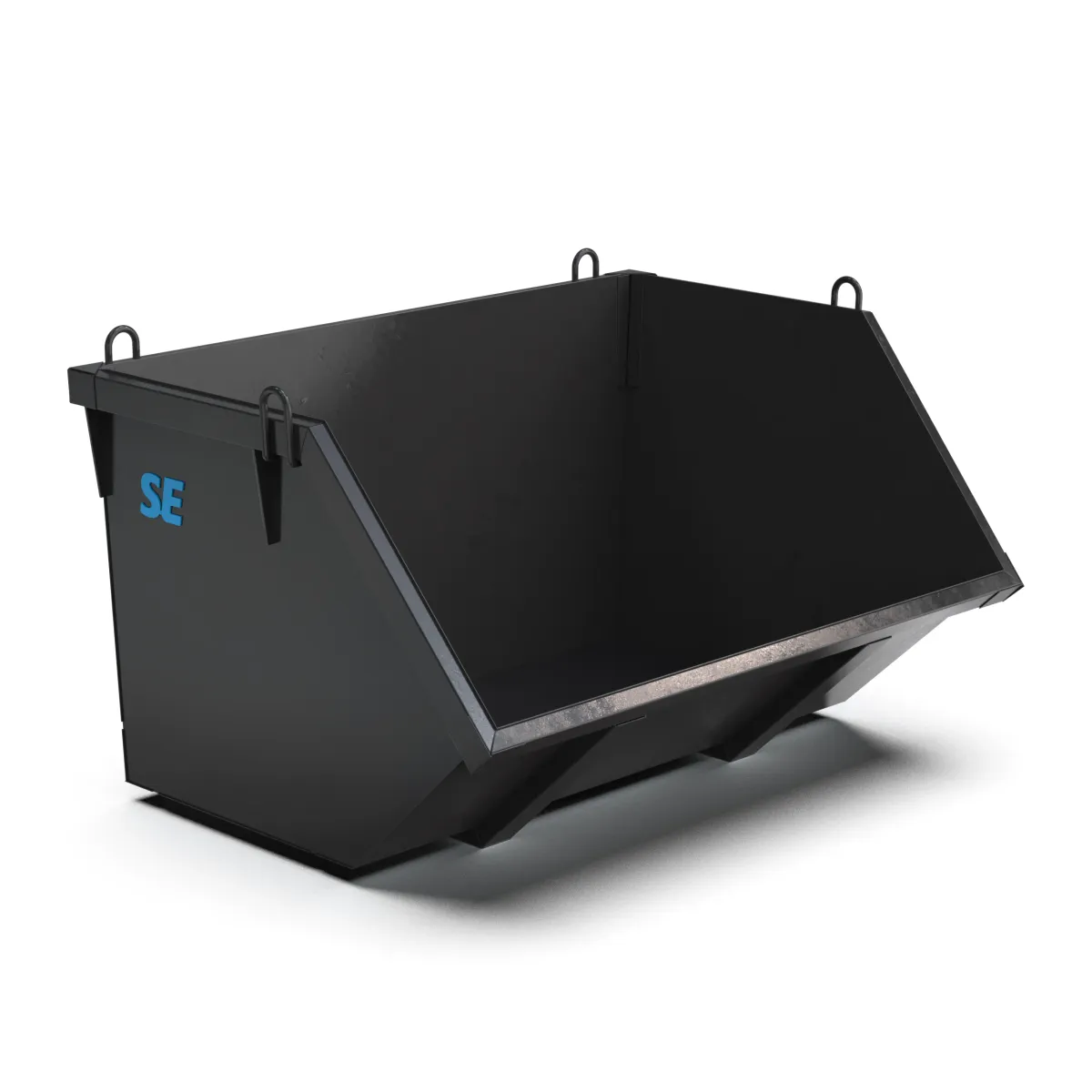
Containers for Wheel Loaders - Which to Choose and What to Use Them For?
Wheel loader containers are suited to hauling and storing loose and liquid material. See which container type fits which job.
Read more →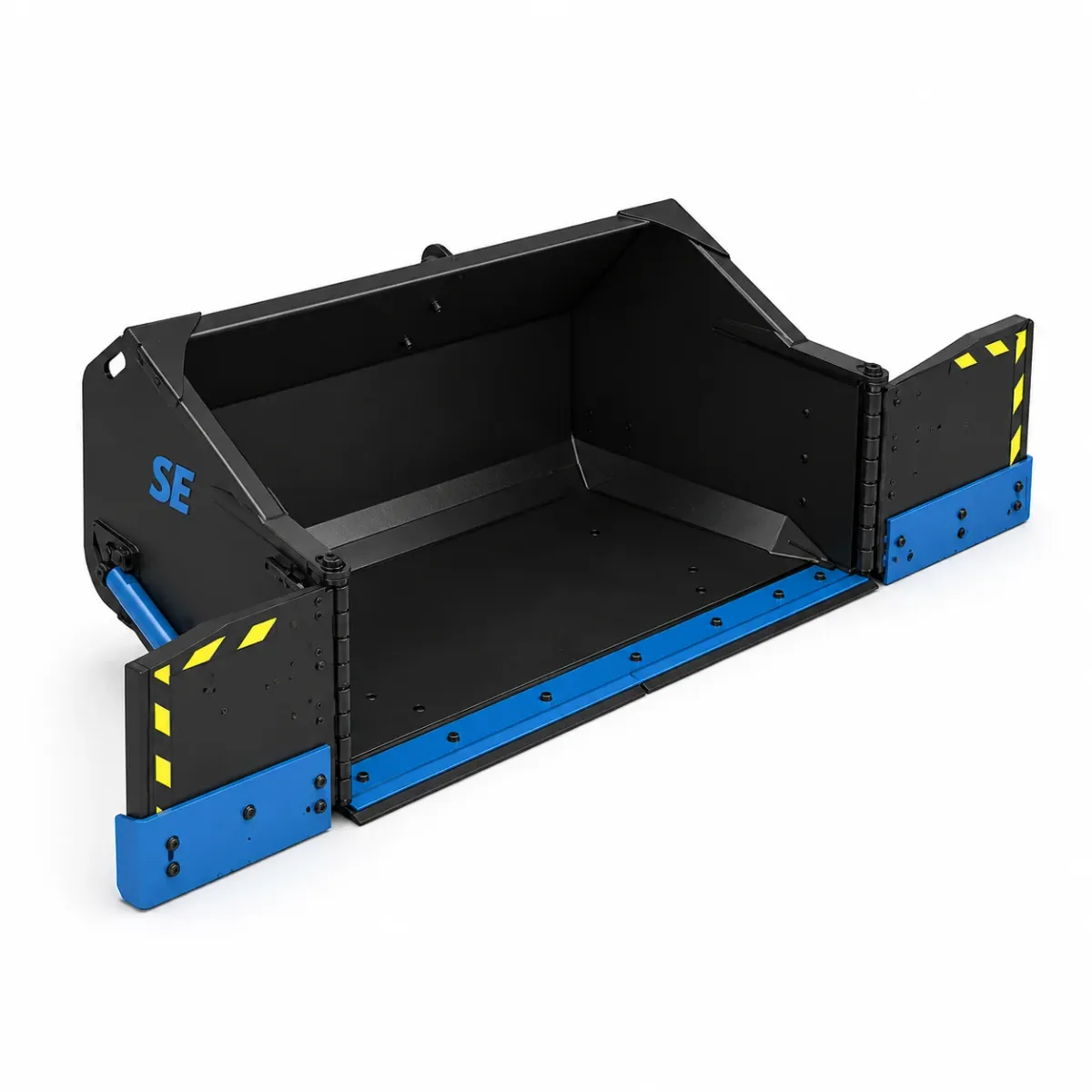
Wing Snow Bucket vs. V-Plow - Which Suits Your Snow Clearing?
A wing snow bucket gathers and holds snow, while a V-plow pushes it quickly to the side. See which conditions favor which solution.
Read more →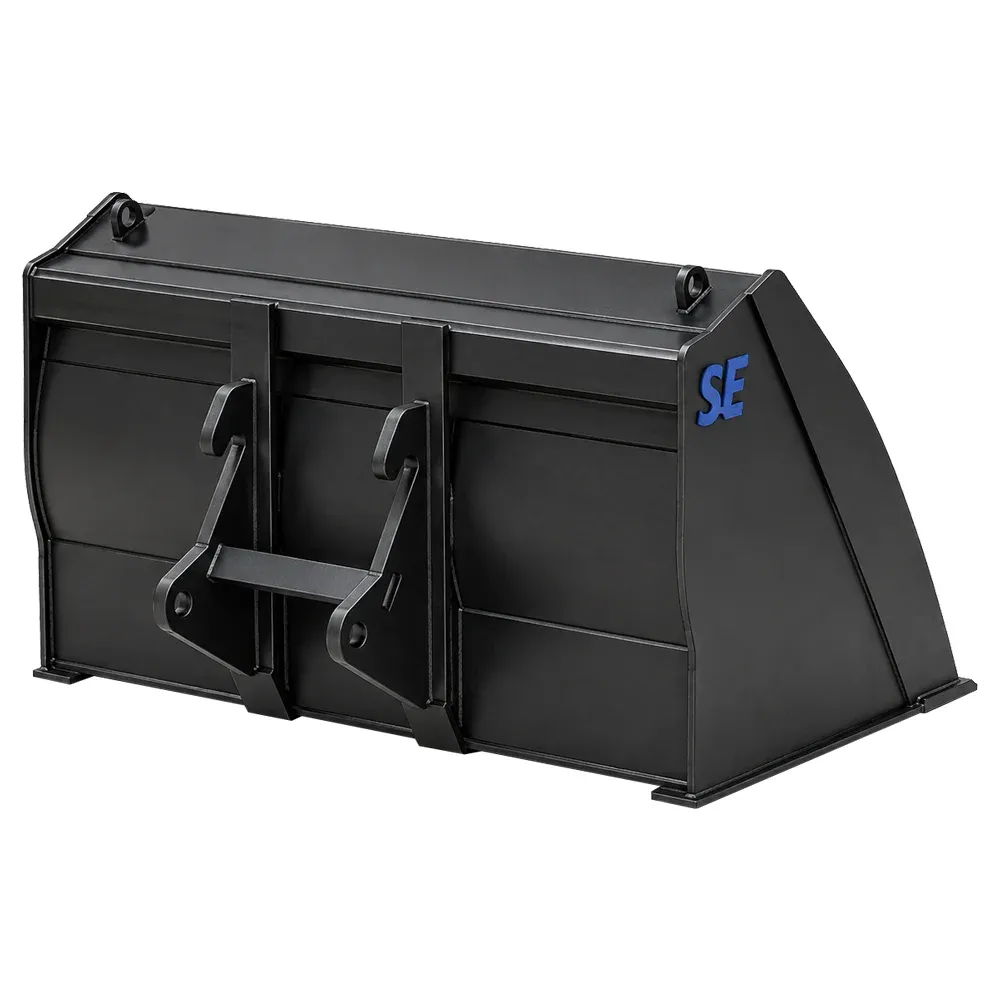
Universal Bucket for Wheel Loaders - Why Is It Such a Versatile Tool?
A universal bucket combines the function of a bucket, a grapple and, to some extent, a push plate. See when it replaces several separate attachments.
Read more →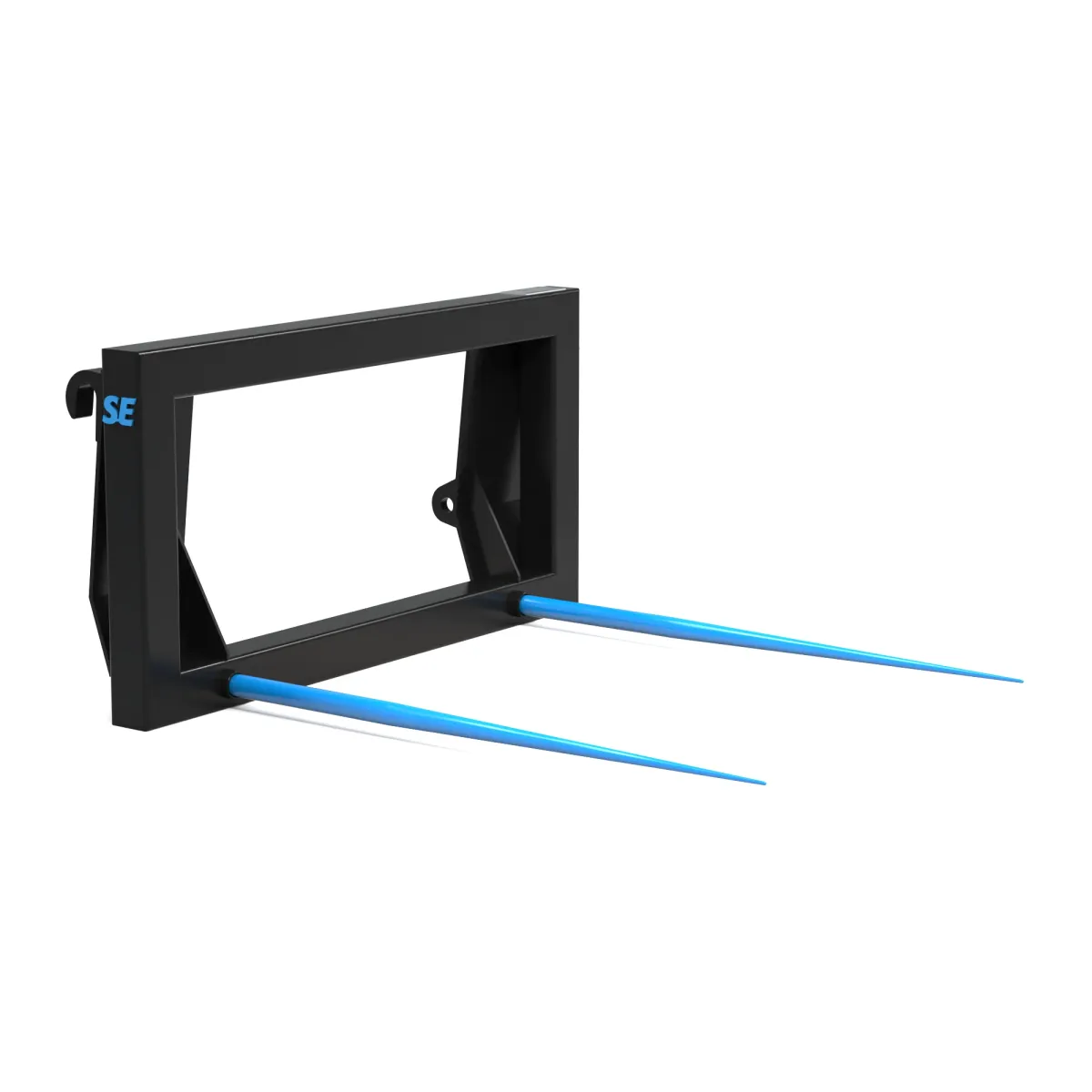
Bale Spear vs Bale Grapple for a Skid Steer - Which Should You Choose?
A bale spear is simple and fast, while a bale grapple holds the bale more securely and lets you turn it too. We explain when to choose each for a skid steer.
Read more →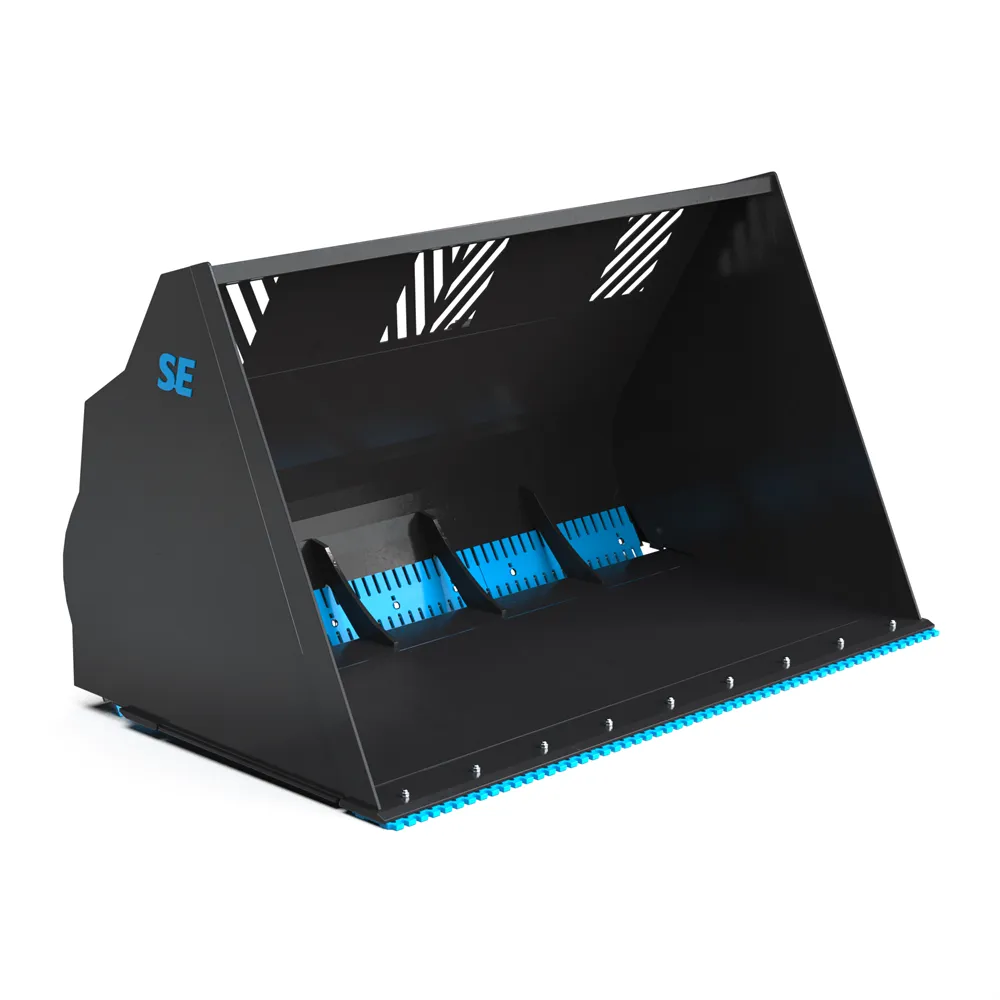
Ice Bucket for a Skid Steer - Handling Winter Material
An ice bucket is built for breaking up and loading ice, packed snow and frozen material. We look at when it's a better choice than a standard bucket.
Read more →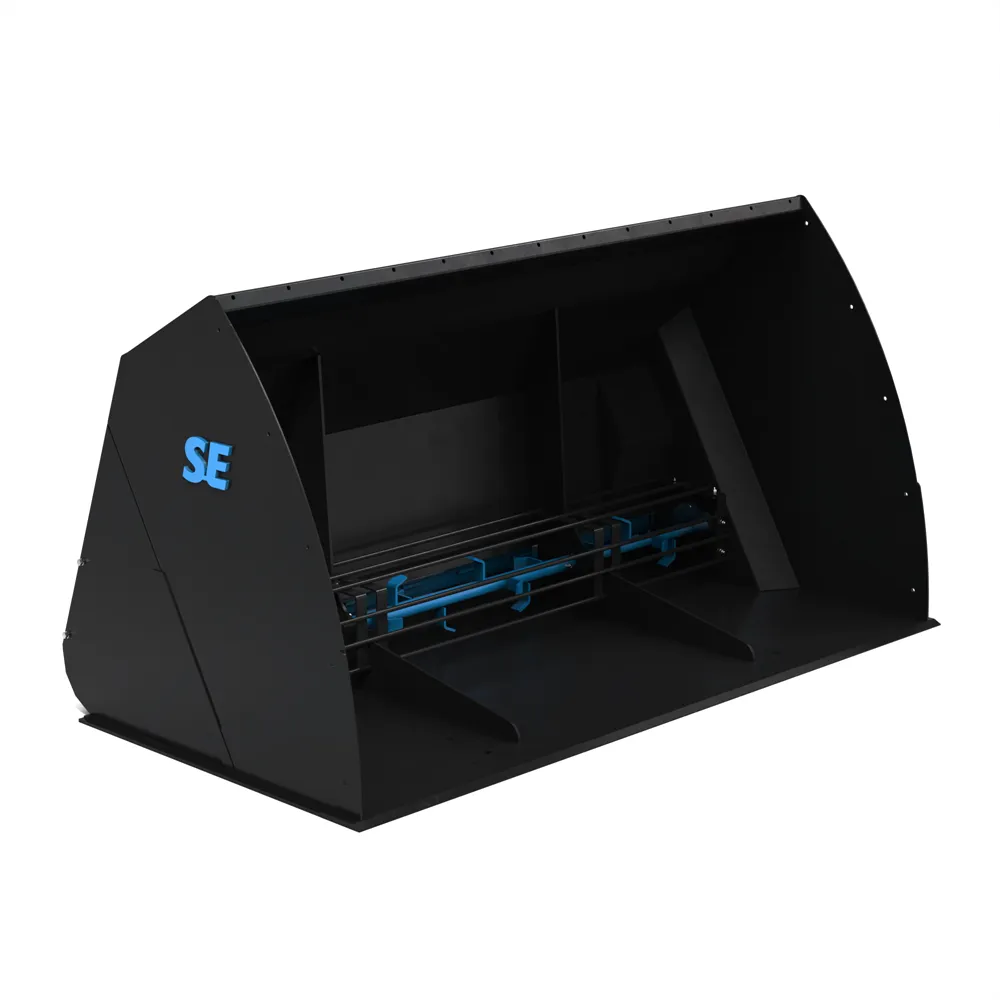
Sand Spreader Bucket - A De-icing Tool for Road and Yard Maintenance
A sand spreader bucket spreads sand, salt or crushed stone evenly over a wide area. We look at who this skid steer attachment suits and how it saves time in winter.
Read more →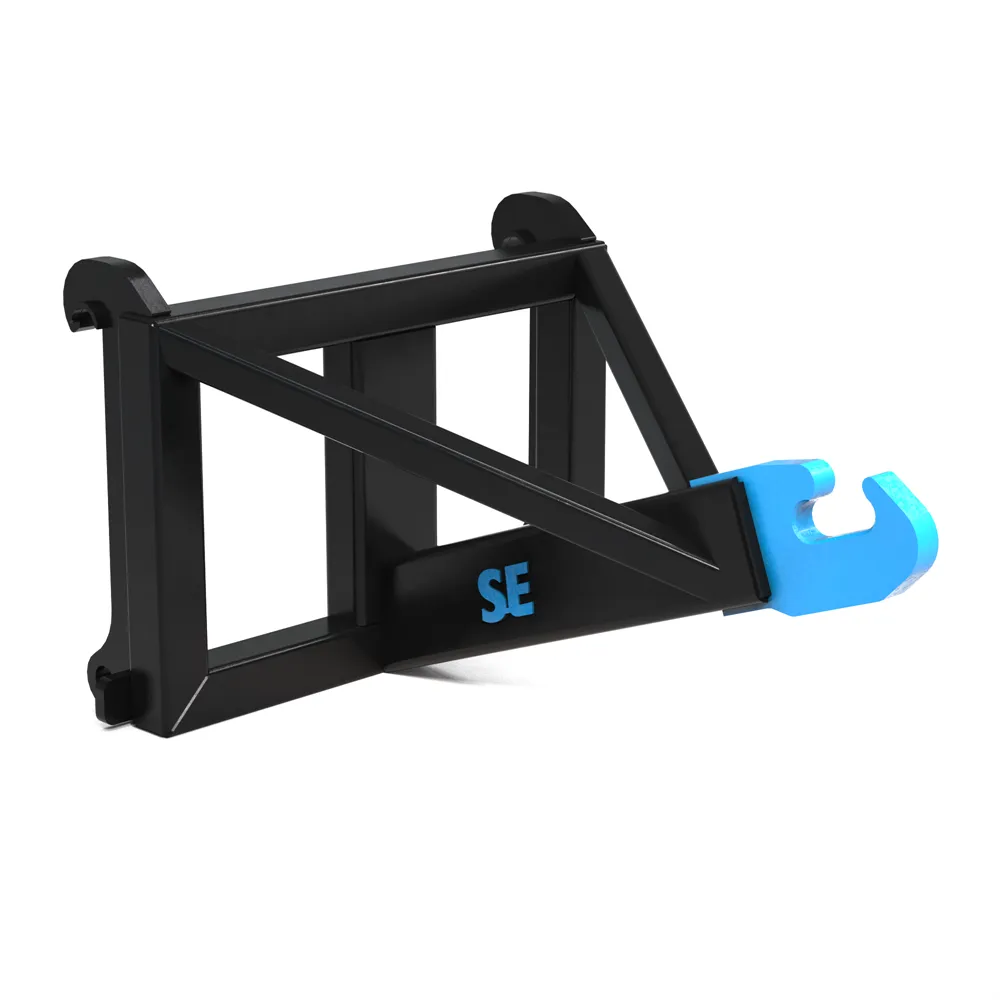
Container Hook for a Skid Steer - Emptying Waste Containers
A container hook lets you lift and empty large waste containers with a skid steer without manual handling. We look at how this attachment works.
Read more →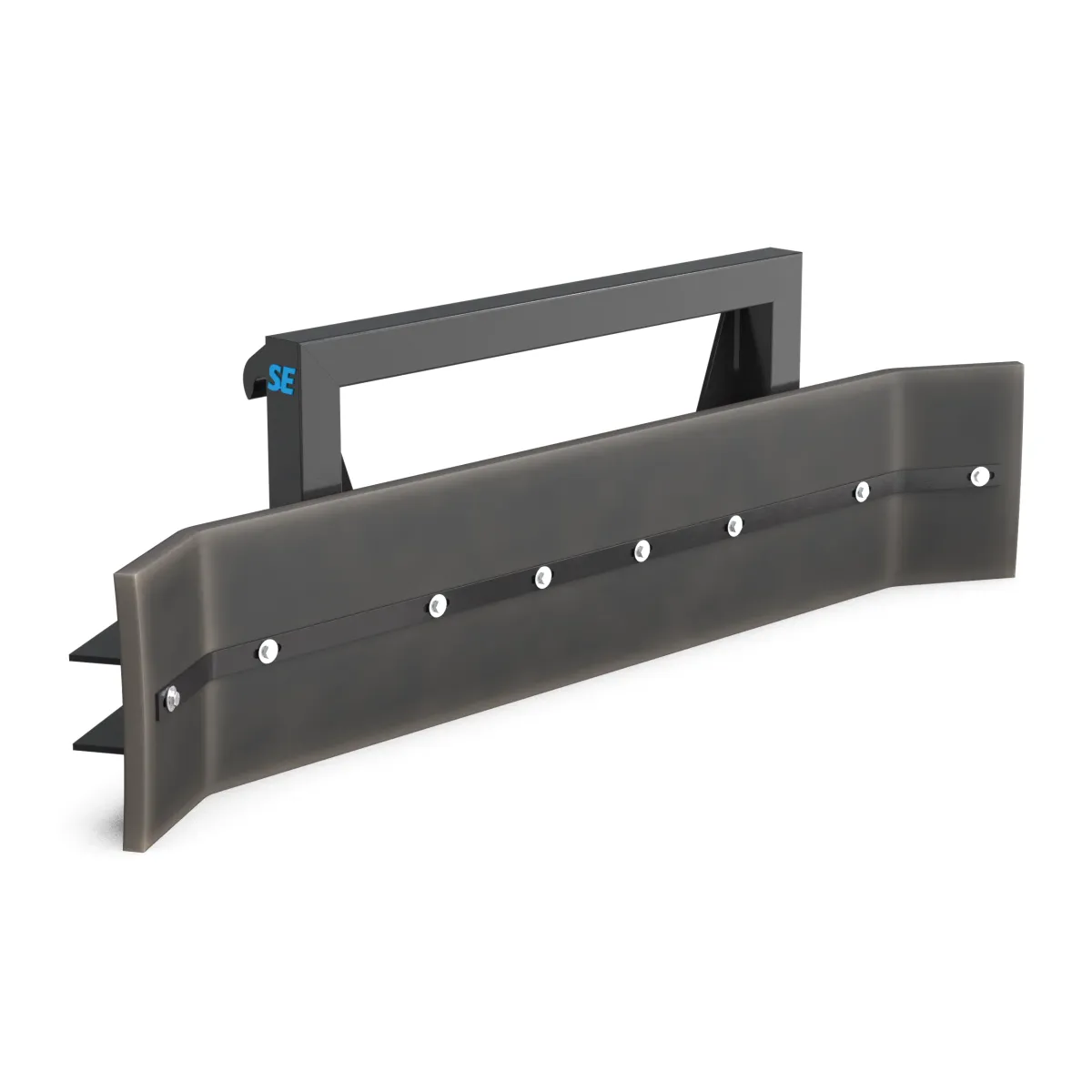
Rubber Tracks for a Skid Steer - When Is It Worth Swapping Out Your Wheels?
Rubber tracks reduce ground sinkage and improve traction on soft terrain. We look at when they make sense for a skid steer, and when they don't.
Read more →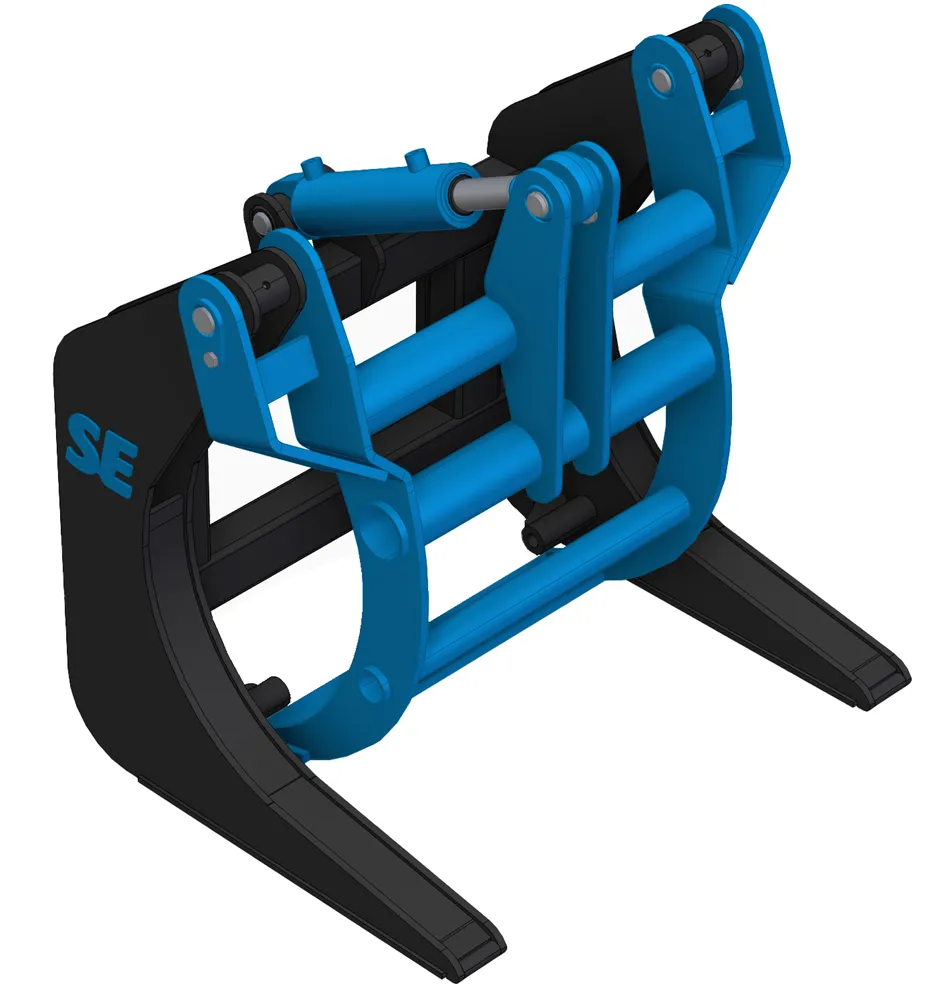
Log Grapple for a Skid Steer - A Helper for Timber Yards and Forest Hauling
A log grapple helps a skid steer move and stack logs, firewood and brushwood quickly. We look at what matters when choosing one.
Read more →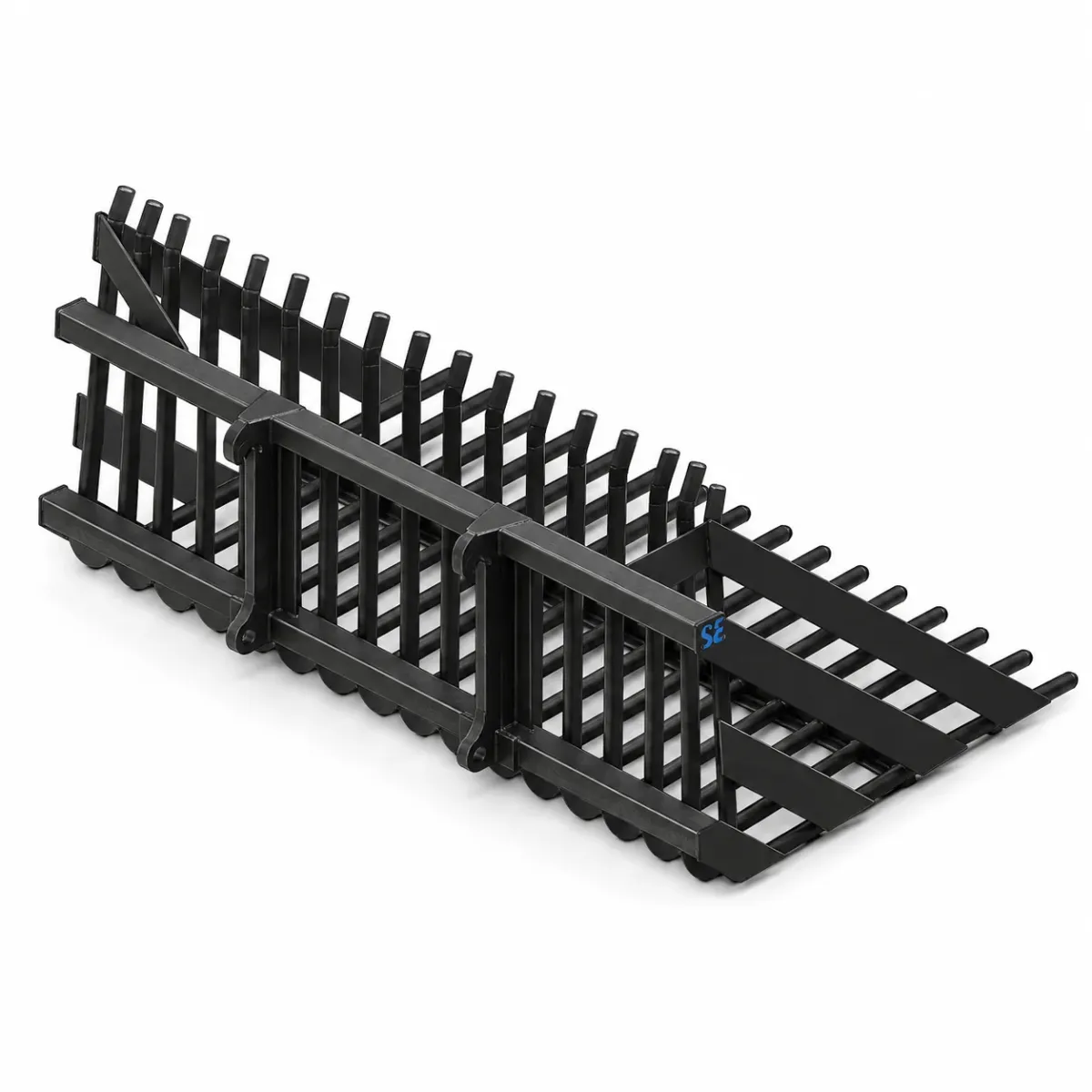
Silage Fork vs Silage Grapple for a Skid Steer - Which Should You Choose?
A silage fork and a silage grapple both help a skid steer handle silage and hay, but with different results. We explain when each one suits better.
Read more →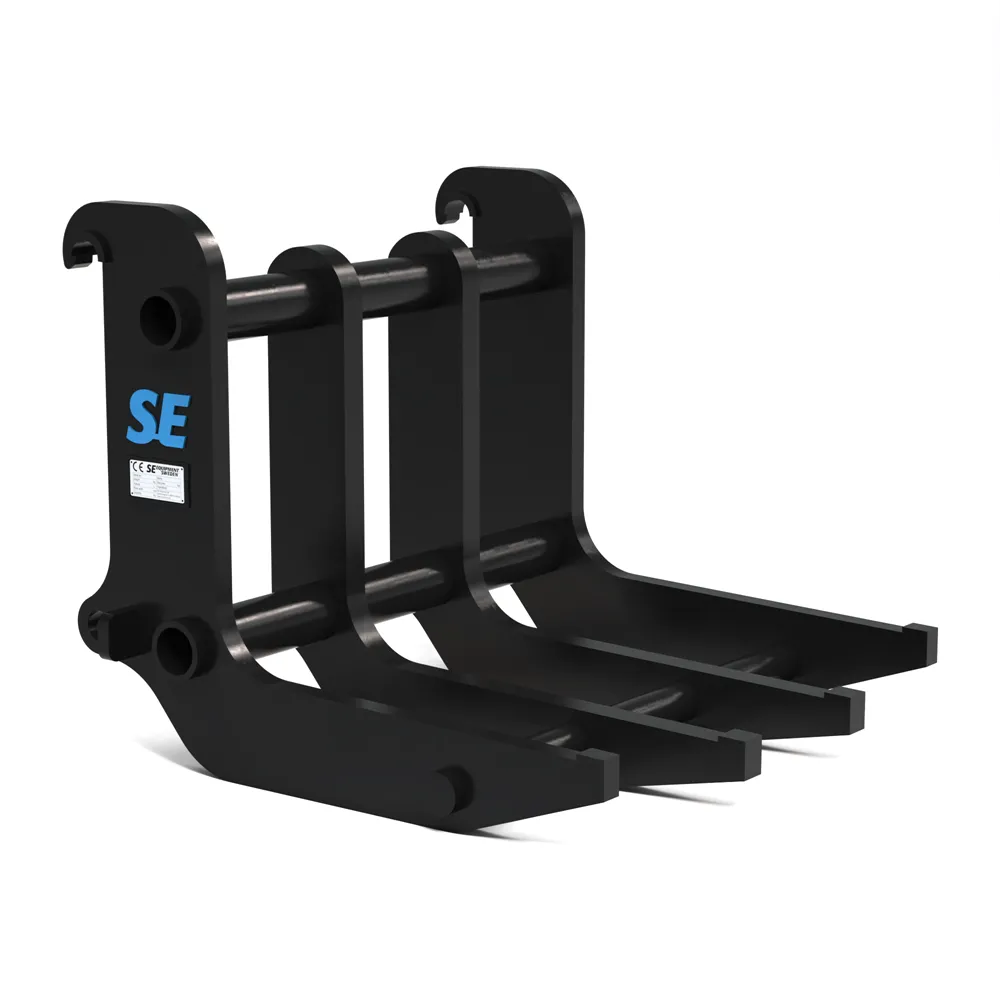
Stump Grapple for a Skid Steer - Removing Shrubs and Stumps
A stump grapple helps a skid steer remove shrubs, stumps and root systems when clearing a plot. We look at how this attachment works and what to consider.
Read more →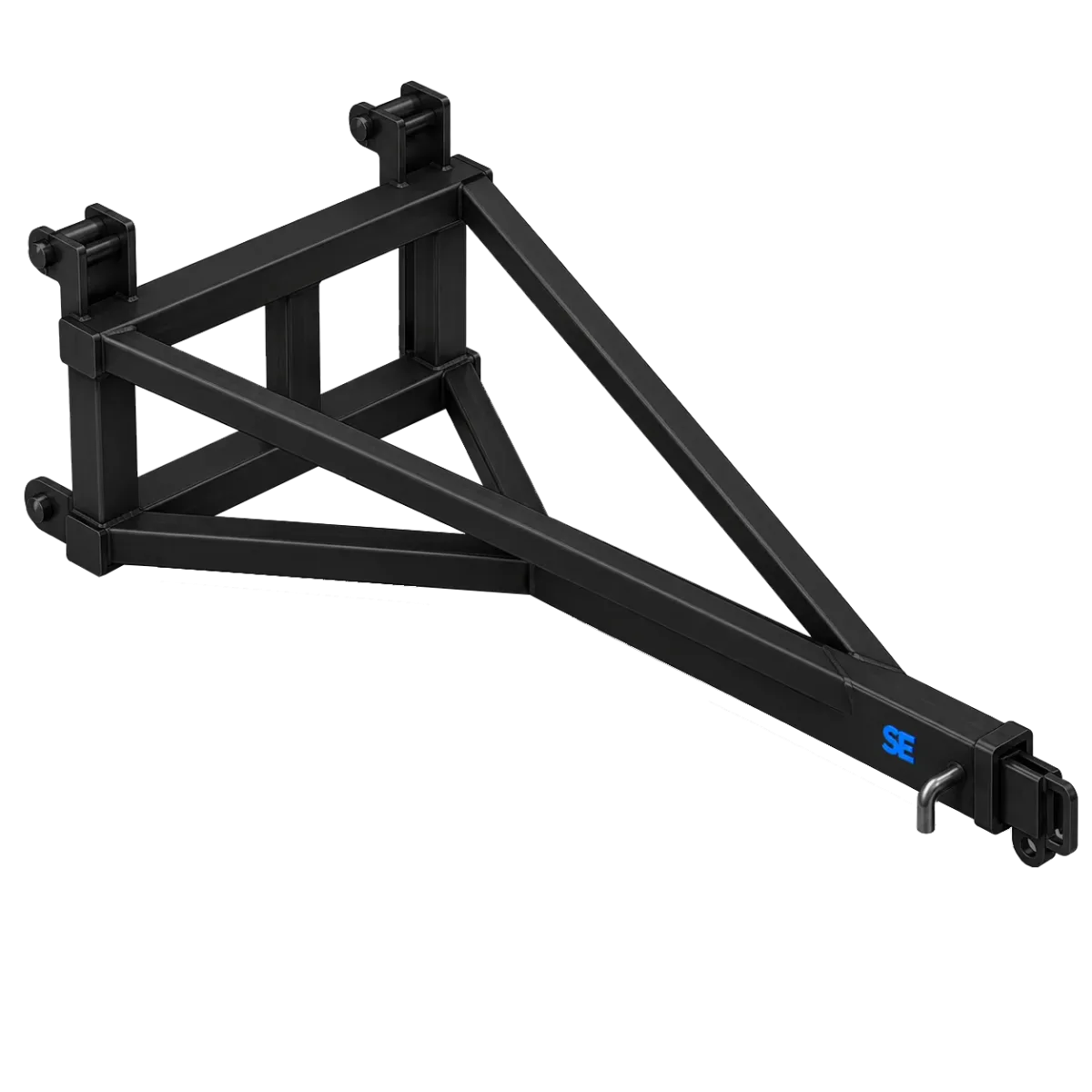
Mechanical vs Hydraulic Crane Jib for a Skid Steer
A crane jib turns a skid steer into a small crane temporarily. We explain the difference between a mechanical and a hydraulic jib and when each makes sense.
Read more →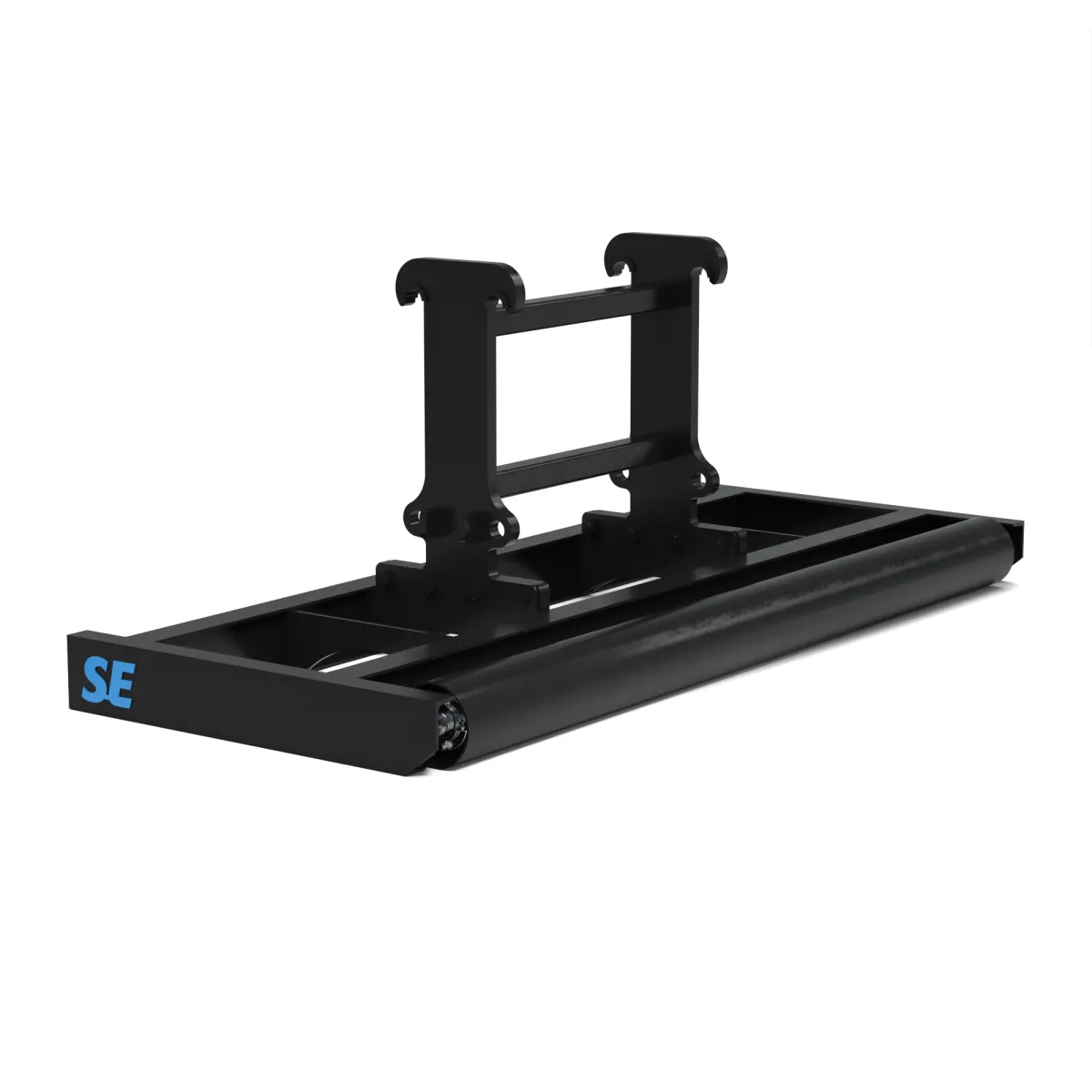
Roller Rake for a Skid Steer - Easier Ground Levelling
A roller rake helps level ground and screen out stones, keeping the work to a single machine. We look at what matters when choosing one.
Read more →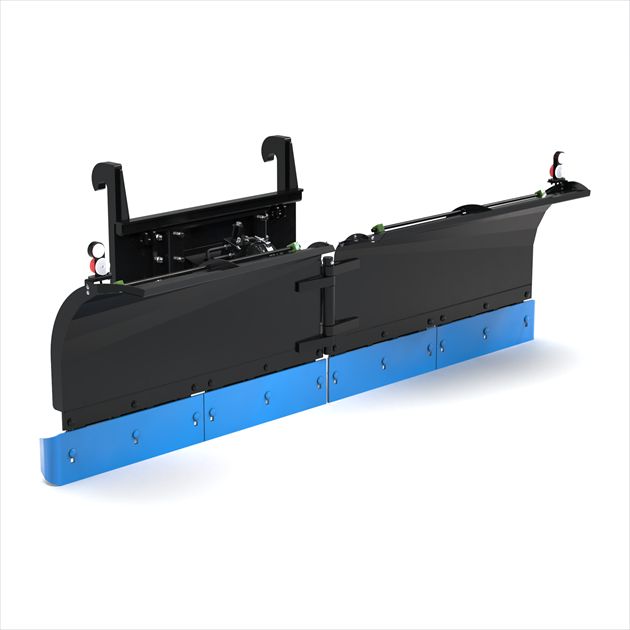
V-Plough for a Skid Steer - When There's Really a Lot of Snow
A V-plough cuts through a deep, packed snowbank that a standard straight plough can't handle. We look at when this attachment pays off.
Read more →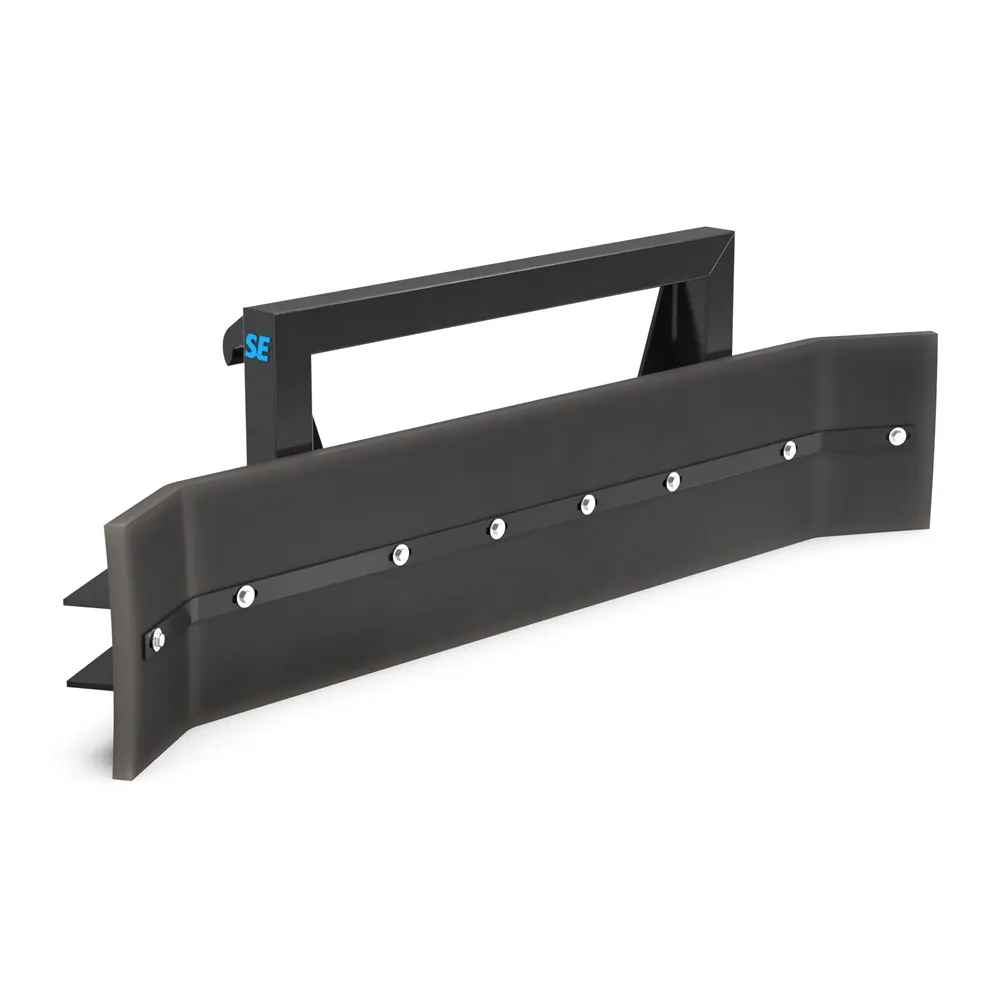
Rubber Tracks for Tractors - When Do They Pay Off in the Field and Forest?
Rubber tracks reduce a tractor's ground pressure and improve grip on soft terrain. We look at when they make sense for fieldwork and forestry.
Read more →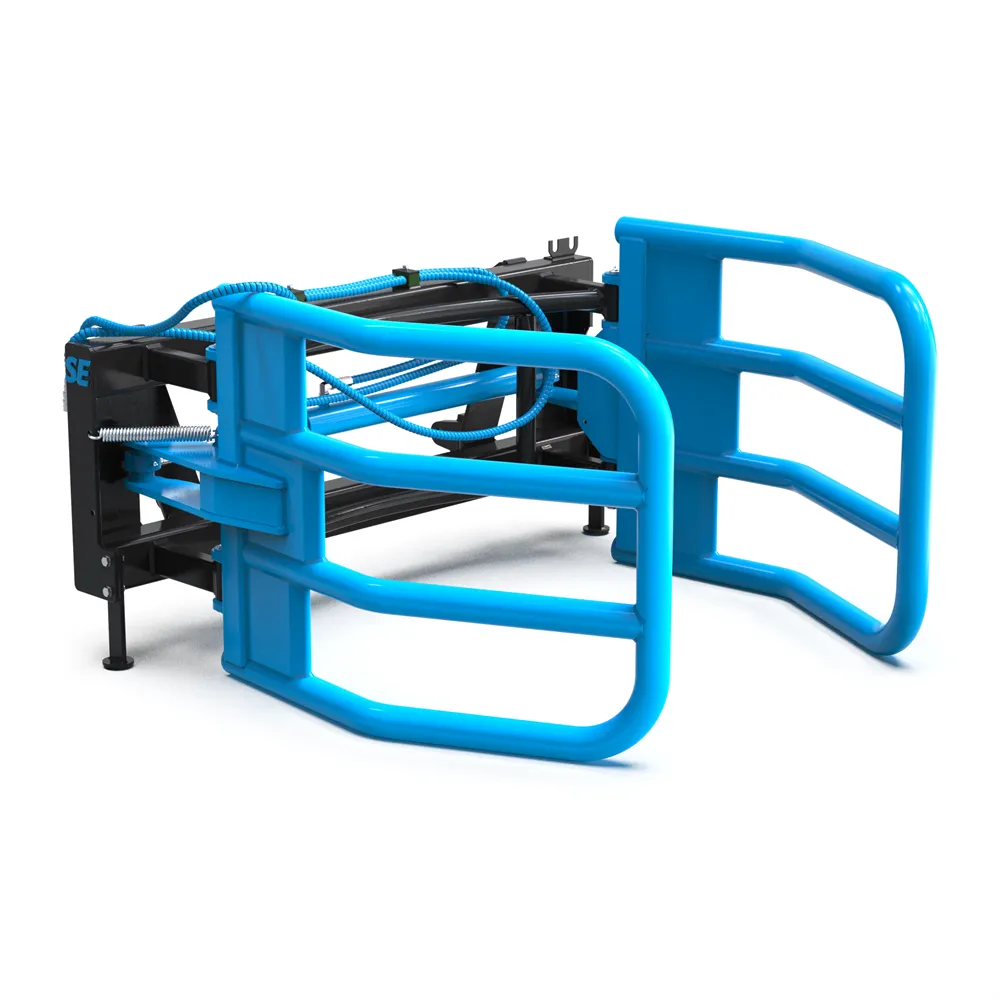
Tractor Bale Grapple - Fast and Safe Handling of Round Bales
A bale grapple helps a tractor's front loader lift, move and position round bales carefully. We look at what matters when choosing one.
Read more →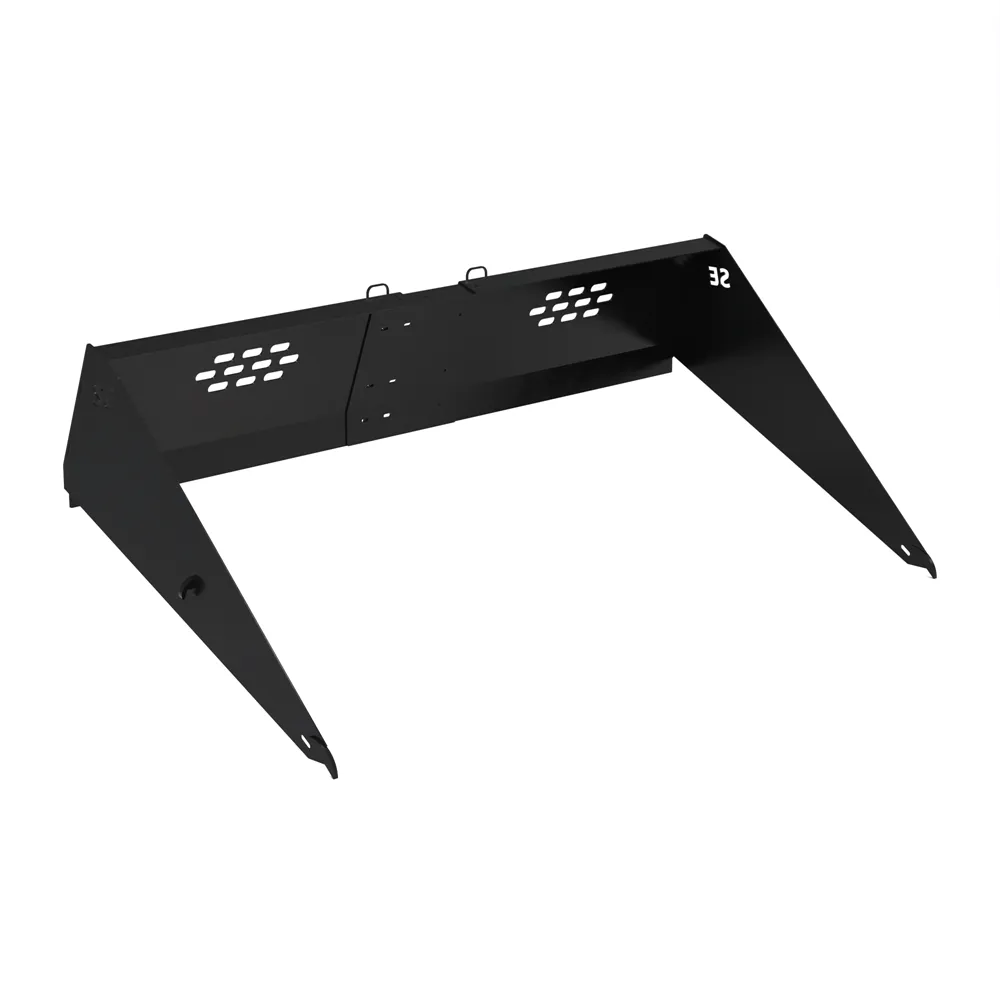
Grading Bucket Height Extension for a Tractor - How to Increase Bucket Capacity Without Buying a New One
A bucket extension adds height and capacity to an existing grading bucket. We look at when it makes more sense than buying a bigger bucket.
Read more →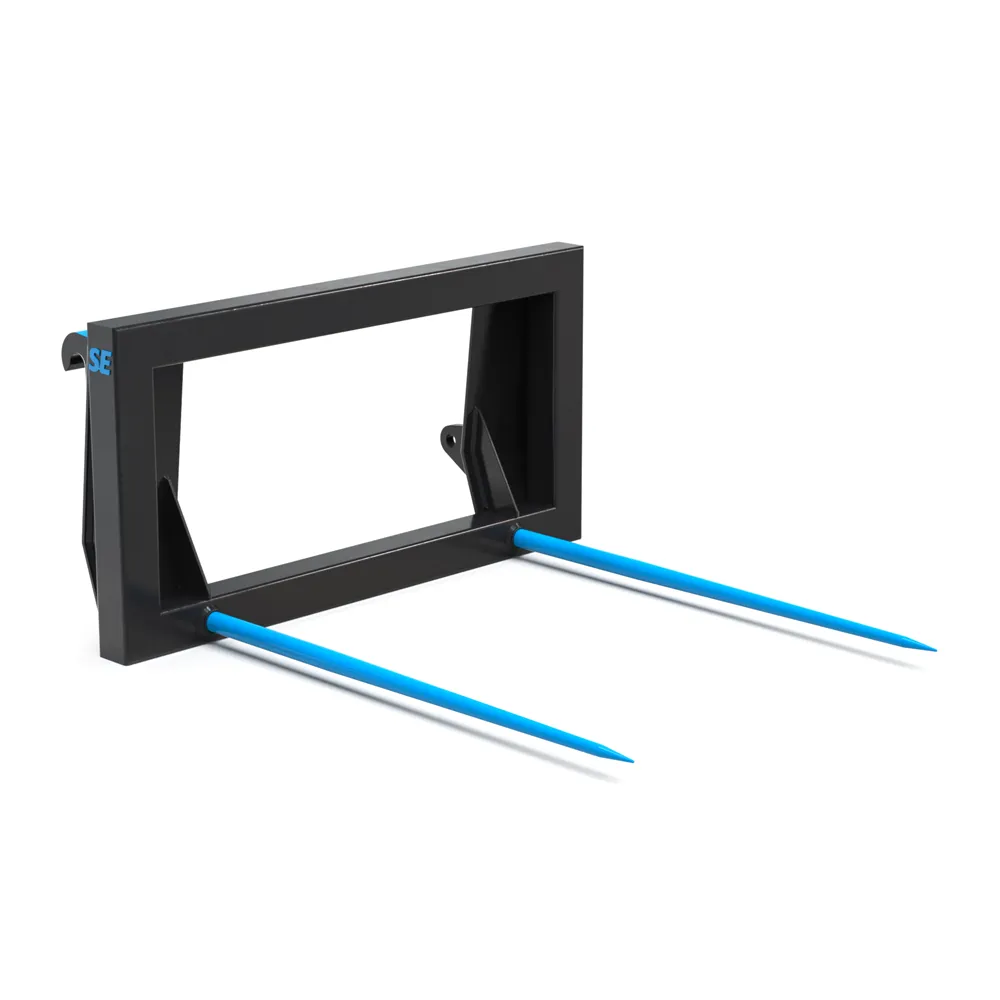
Tractor Bale Spear - Lifting Silage Rolls and Hay Bales
A bale spear is a simple, fast way to lift and move round bales with a tractor's front loader. We look at when this solution is enough.
Read more →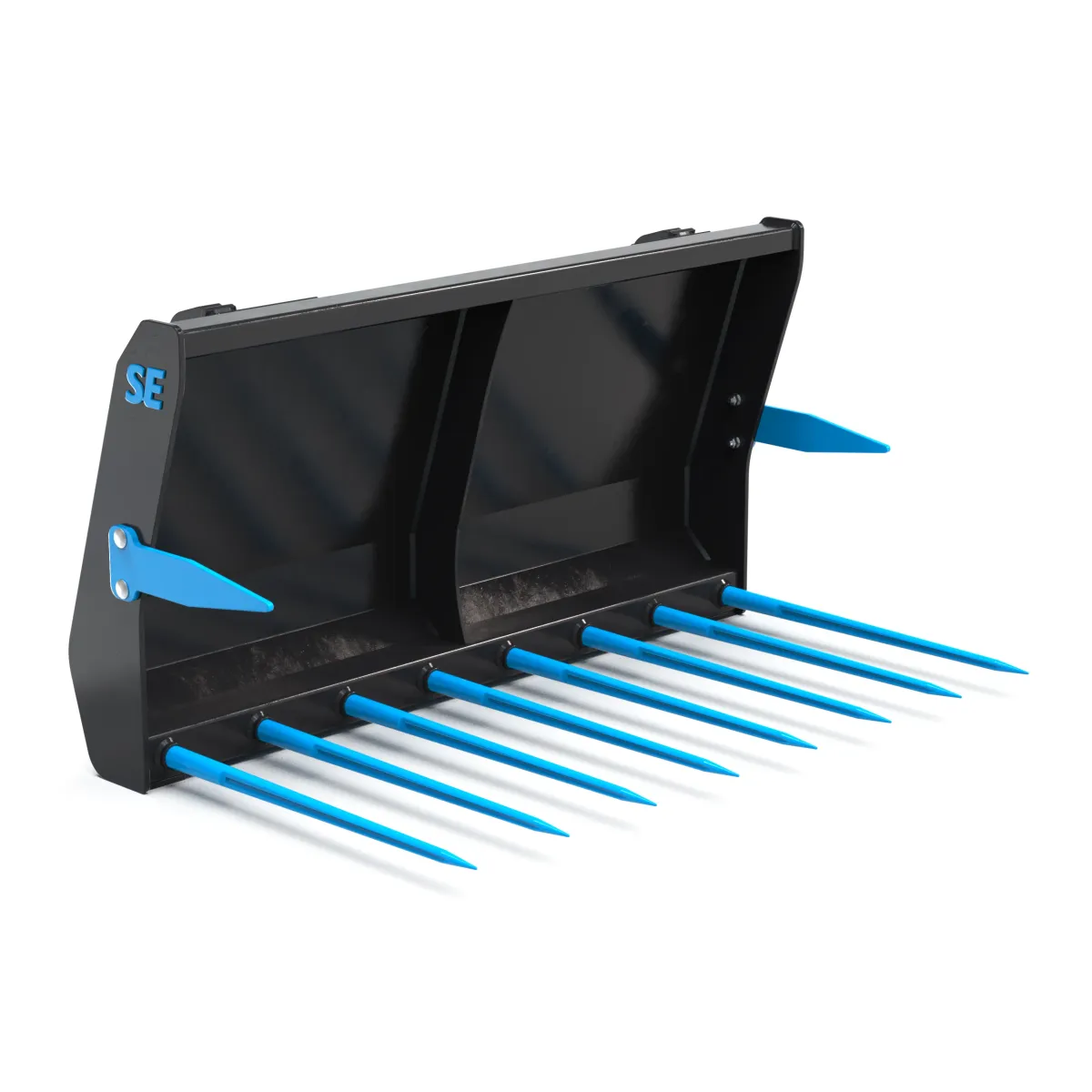
Manure Fork for a Tractor - Barn and Manure Storage Maintenance
A manure fork helps a tractor's front loader handle manure, bedding and manure piles quickly. We look at what matters when choosing one.
Read more →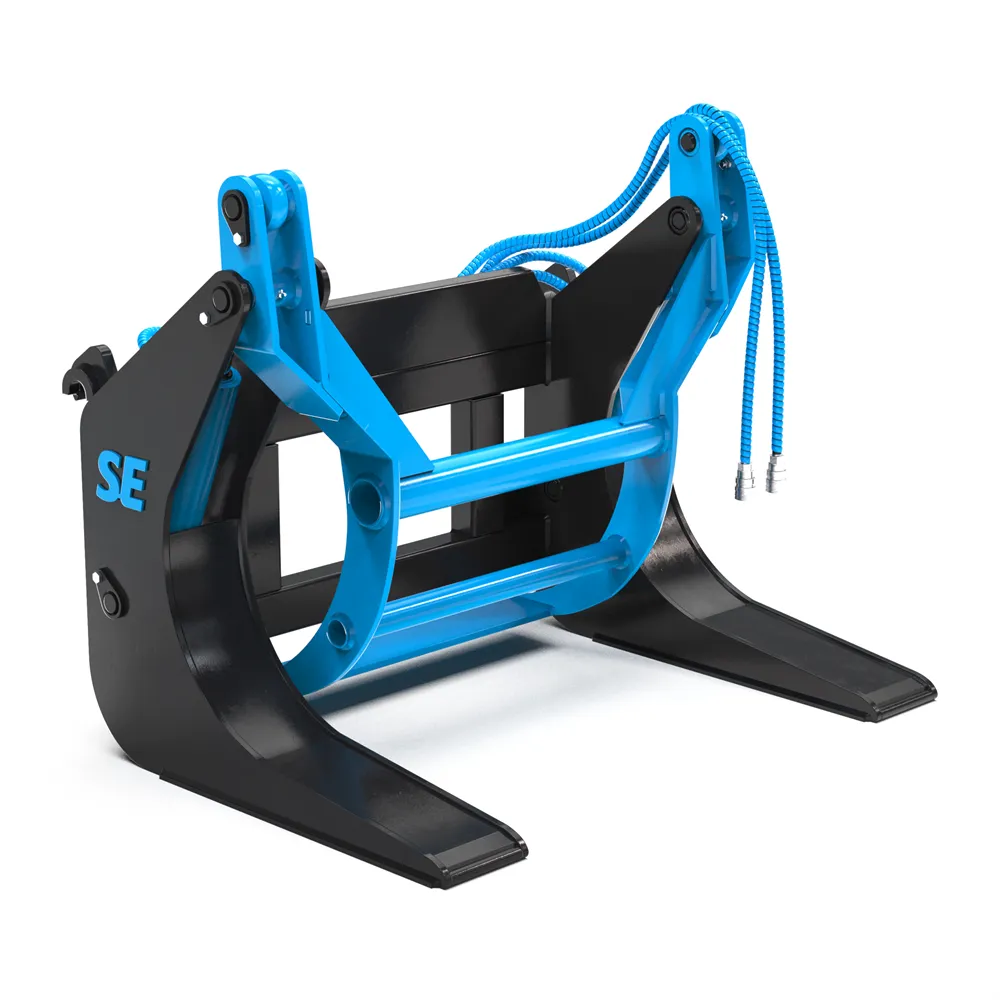
Tractor Log Grapple - A Helper for Forest Hauling and Timber Storage
A log grapple helps a tractor's front loader move and stack logs and firewood quickly. We look at what matters when choosing one.
Read more →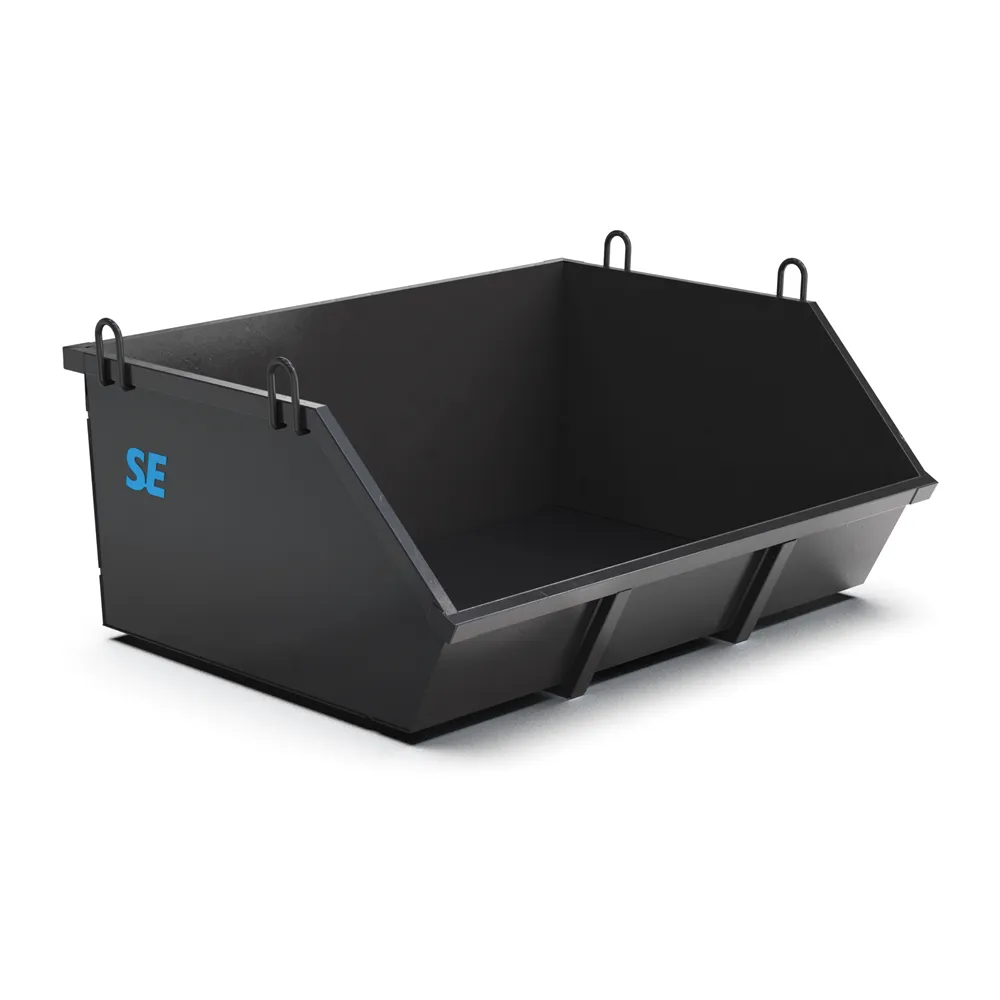
Containers for a Tractor Front Loader - What Are They Used For?
Loader containers help a tractor haul loose material, such as sand, grain or manure. We look at how they're used.
Read more →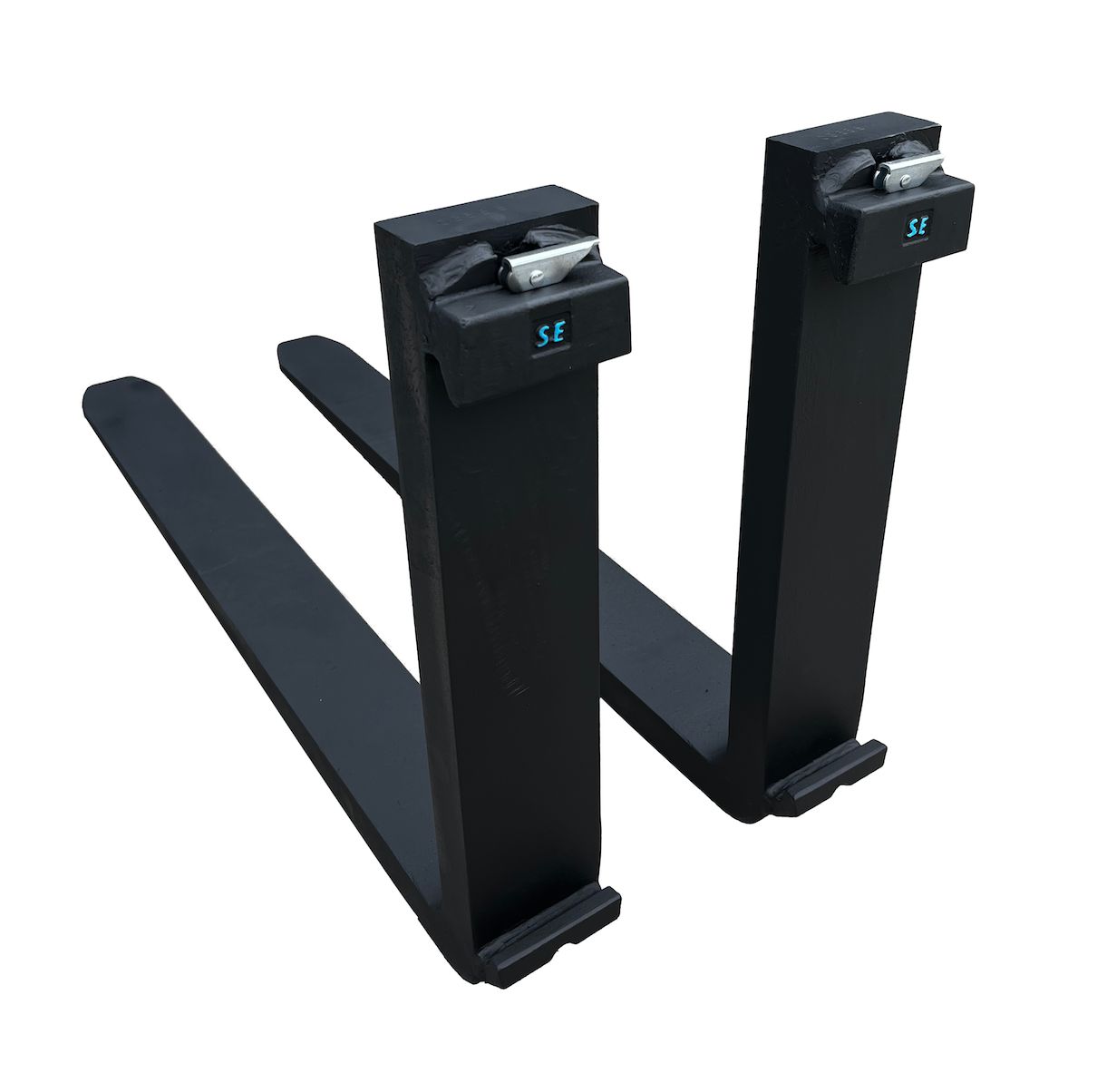
Forklift Forks - What Are They and When Do You Need Separate Ones?
Forklift forks are a fork pair fitted onto a forklift's FEM carriage. We explain when the original forks are enough and when a new or additional pair is needed.
Read more →
Forklift Carriage Pins for a FEM Frame - What They Are and Why They Wear
Pins hold the forks and other attachments in place on the FEM carriage. We explain why they wear and how to fix the resulting play.
Read more →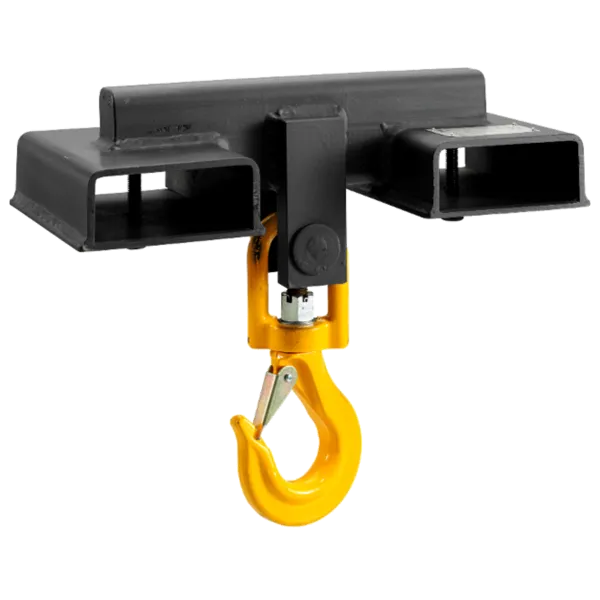
Lifting Hook for Forklifts - Which Types Are Common and What They're For
A lifting hook turns a forklift into a machine that can lift loads by rings, chains and slings. We explain which hook types are common and how to choose the right one.
Read more →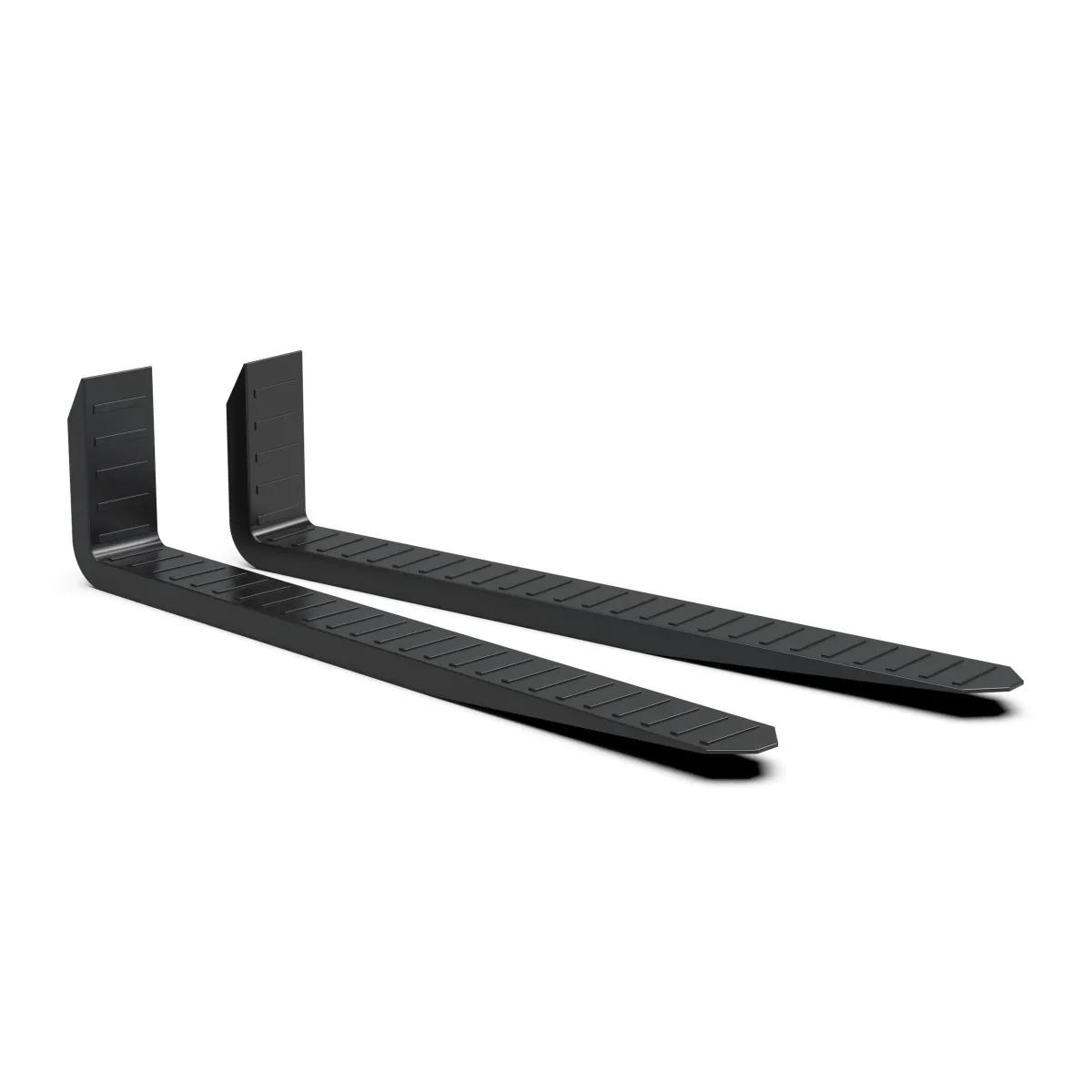
Fork Protection Sleeves for Forklifts - Protecting Cargo and Forks
Fork protection sleeves prevent scratches on sensitive cargo and protect forklift forks from wear and corrosion.
Read more →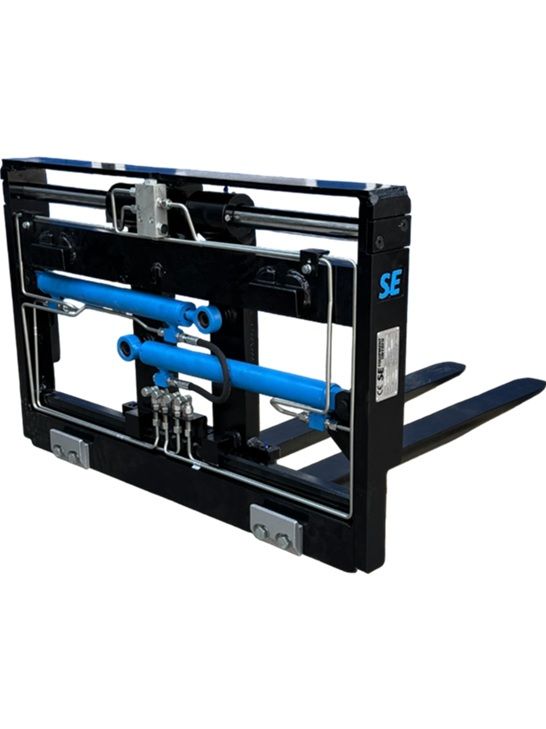
Side Shift for Forklifts - Faster Cargo Positioning Without Moving the Machine
A side shift moves the forks sideways together with the load, without the forklift itself having to move. We explain who benefits most from this attachment.
Read more →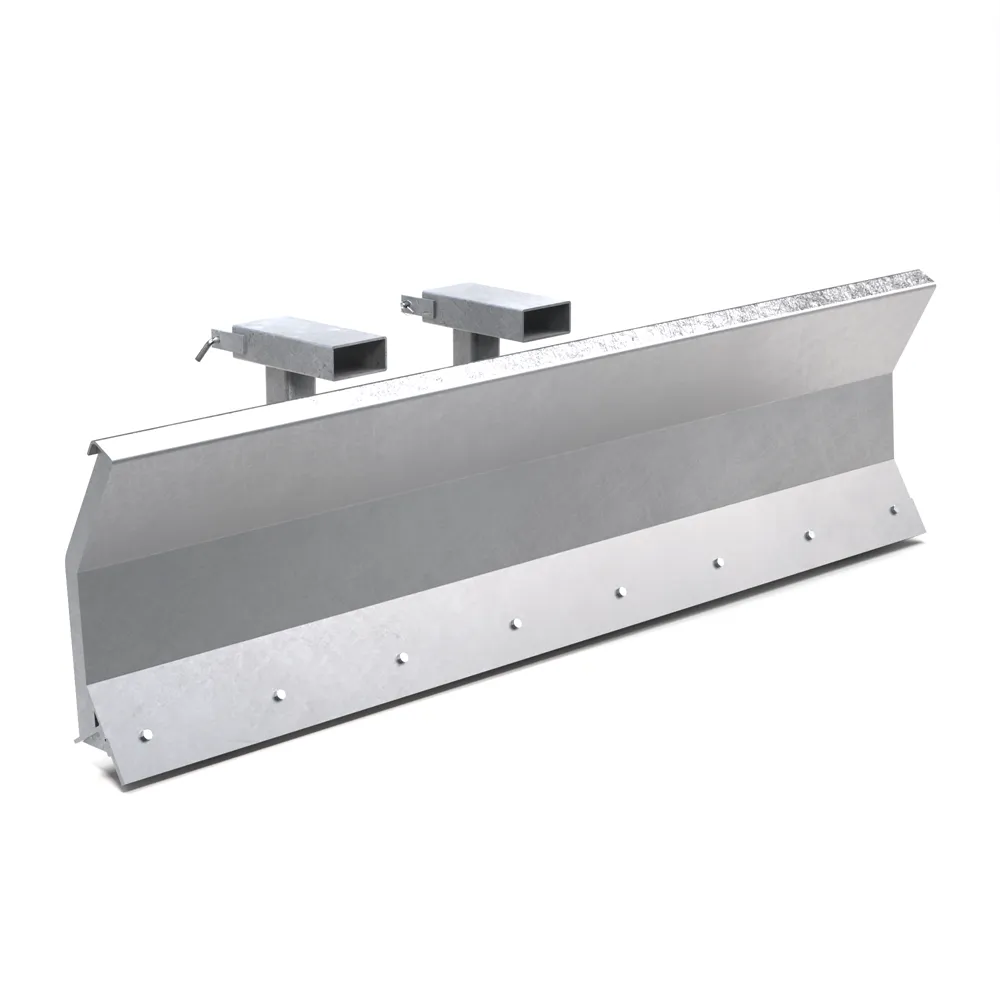
Snow Plough for Forklifts - Clearing Warehouse and Production Yards
A snow plough mounted on a forklift keeps warehouse yards and access roads passable in winter. See how to choose the right width and type.
Read more →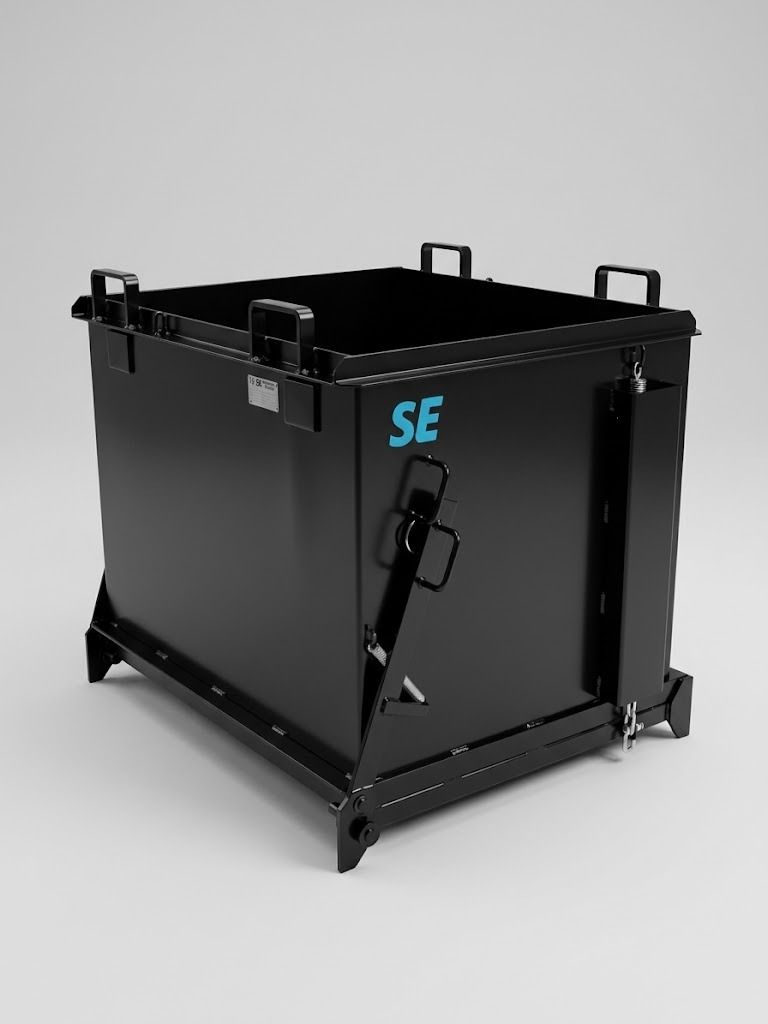
Tipping Containers for Forklifts - Transporting Bulk and Liquid Materials
Tipping containers help forklifts safely transport and store bulk and liquid materials. We explain what to consider when choosing a container.
Read more →
Big Bag Lifter for Forklifts - Lifting Bulk Bags in the Warehouse
A Big Bag lifter hangs a bulk bag from the forklift's forks safely and without deforming the bag. See what to check regarding capacity and hooks.
Read more →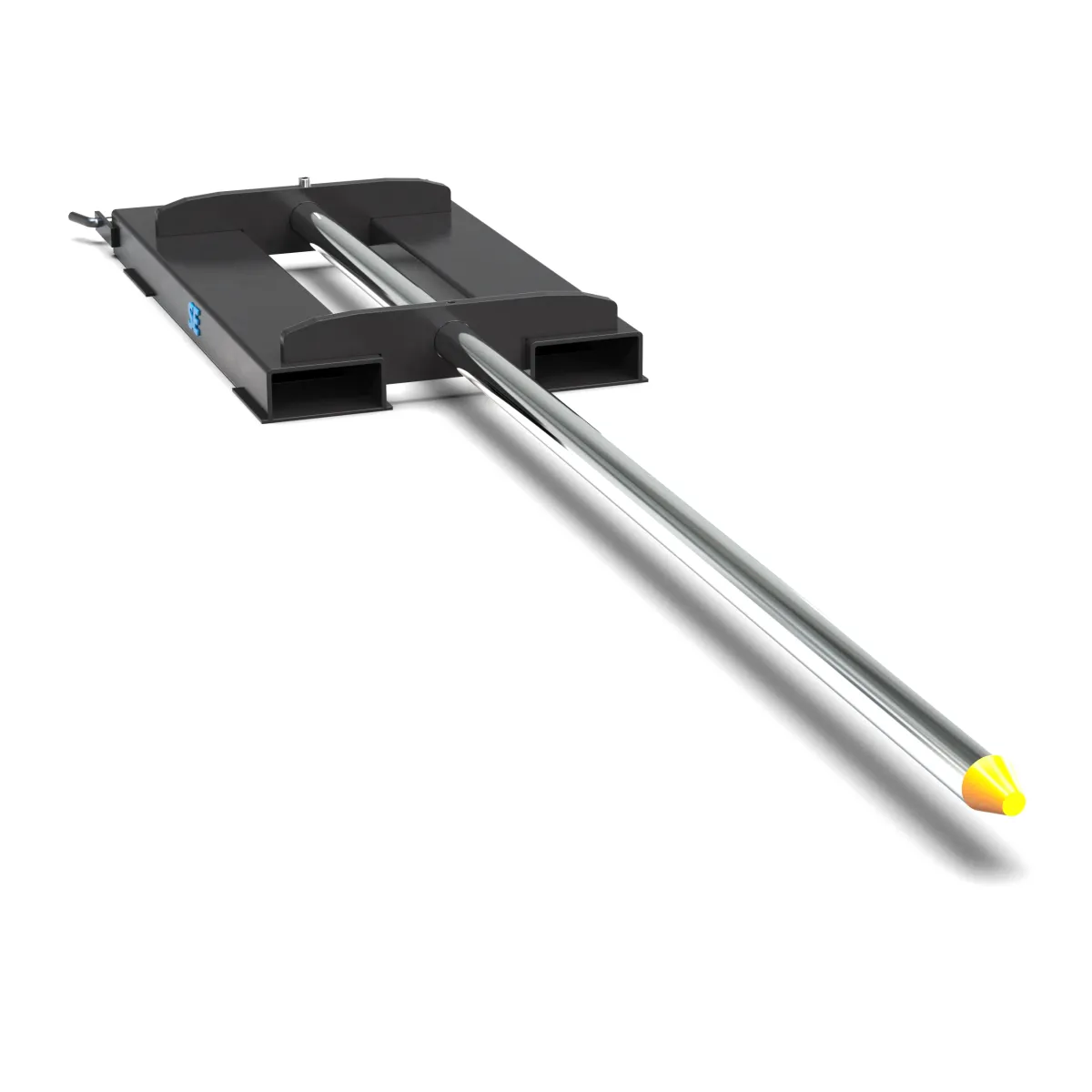
Carpet Boom for Forklifts - Safely Lifting Rolled Materials
A carpet boom is pushed through a roll's core and lifts carpet, film or roofing material without crushing it. See how to choose the right boom.
Read more →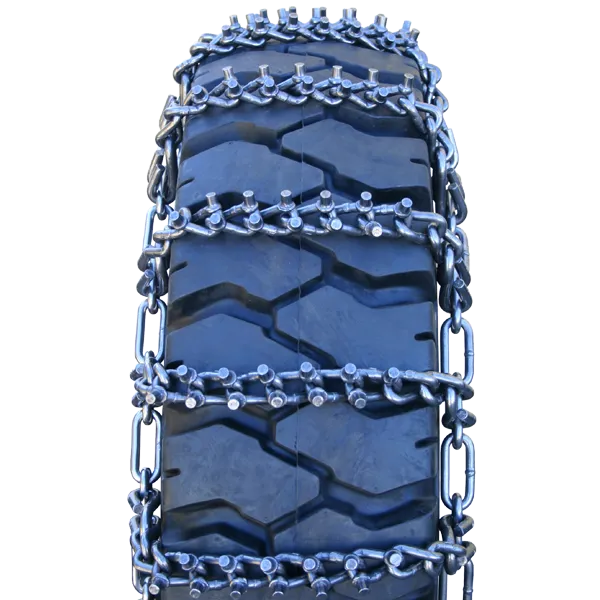
Snow Chains Stud vs Straight for Forklifts - What's the Difference?
Stud and Straight pattern snow chains give forklift tyres different levels of grip. We explain when each choice makes sense.
Read more →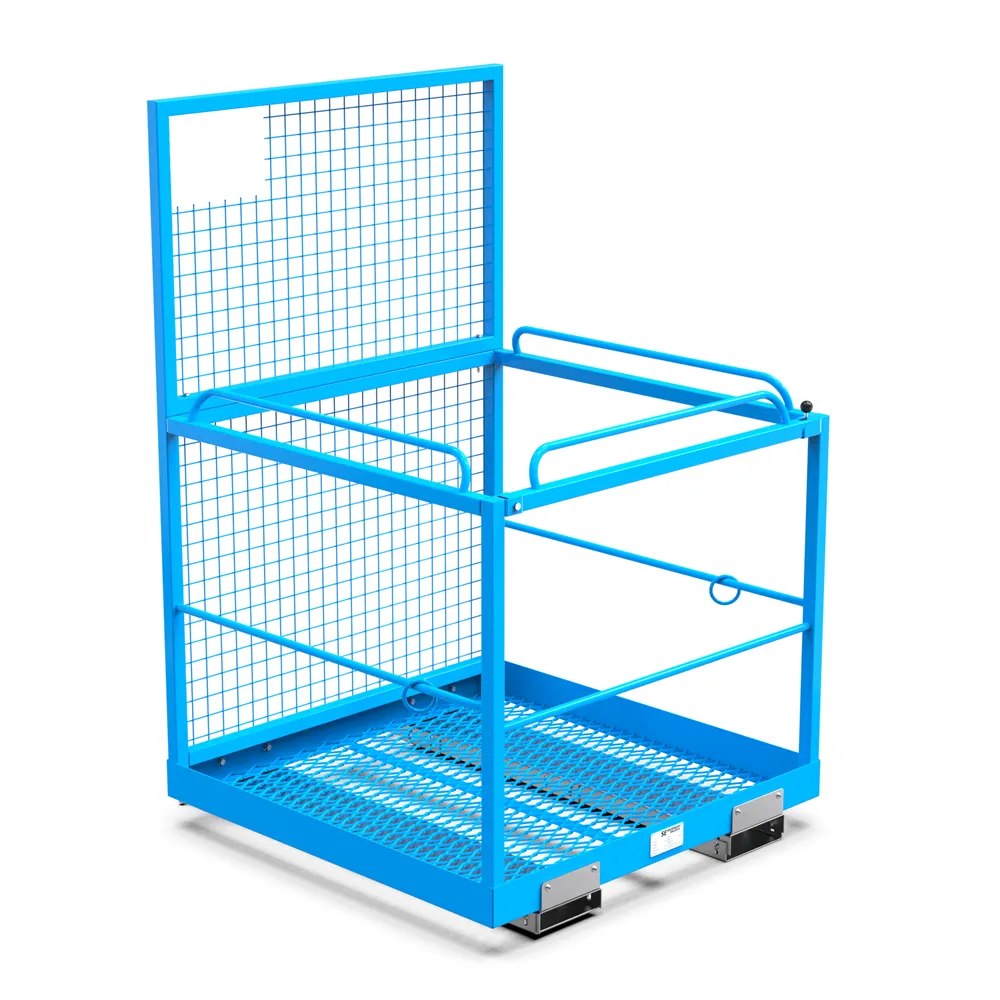
Lifting Cage for Forklifts - Safe Work at Height
A lifting cage turns a forklift into a temporary work platform for working at height. We explain what to pay attention to when choosing and using one.
Read more →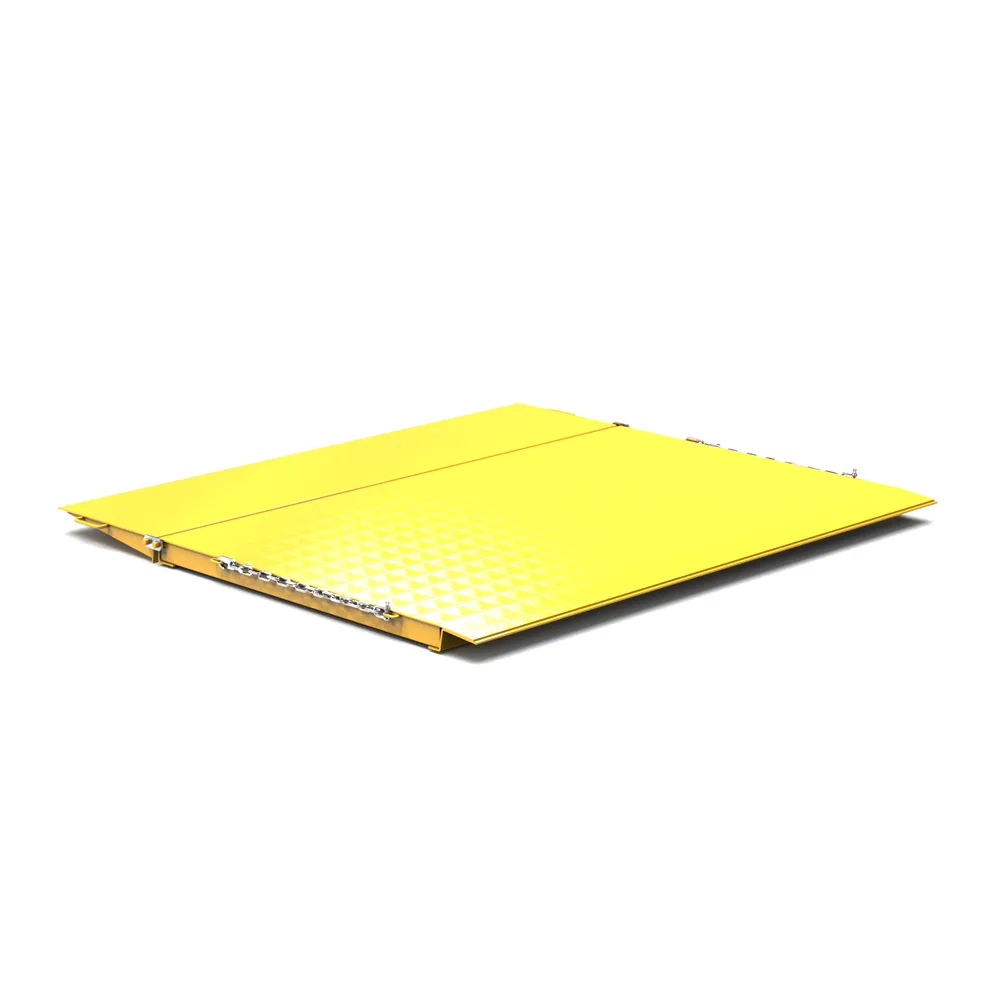
Container Ramp for Forklifts - Loading and Unloading Cargo from Containers
A container ramp bridges the gap between the warehouse floor and a container doorway, so cargo can be safely rolled in and out. See what to check when choosing one.
Read more →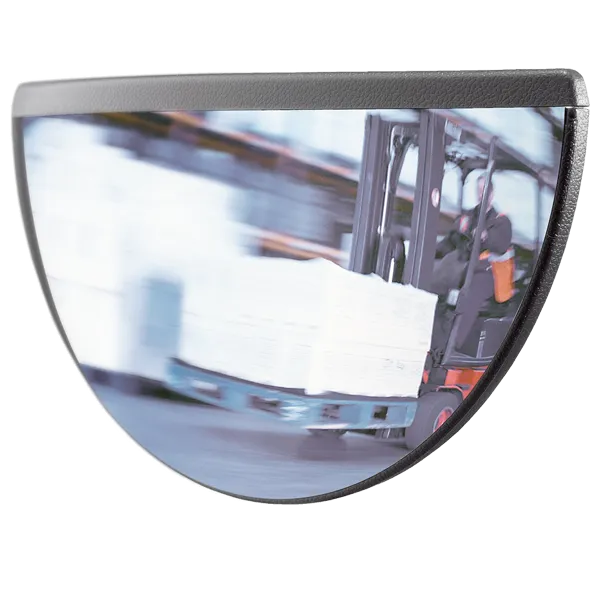
Safety Mirrors for Forklifts - Better Visibility in a Narrow Warehouse
Safety mirrors help forklift operators see turns, gaps between shelves and the area behind the load. See how to choose the right mirror and placement.
Read more →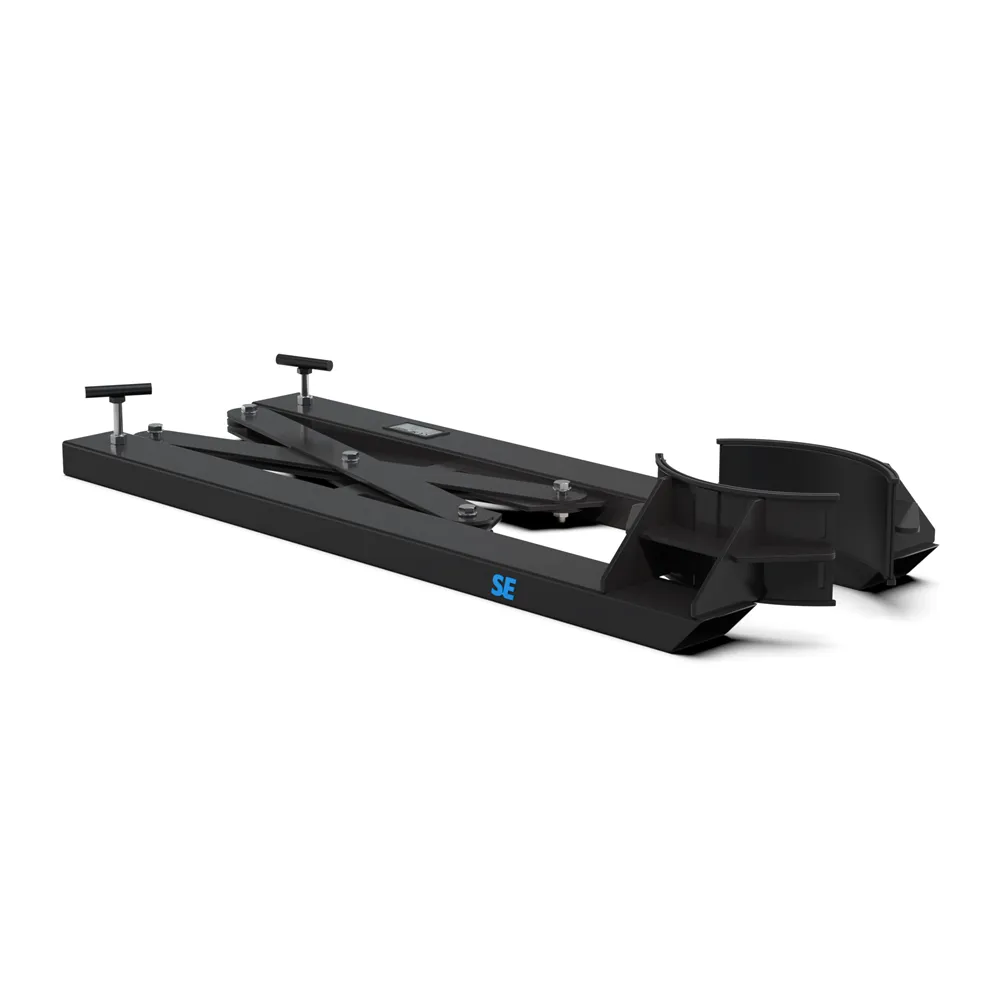
Drum Lifter and Drum Rotator for Forklifts - Safe Handling of Liquids
A drum lifter and drum rotator lift and tilt a drum without manual handling. We explain how to choose based on drum size and material.
Read more →
FEM Frame Bar for Forklifts - What It Is and Why the Frame Class Matters
A FEM frame bar is the part the forks and attachments hang on. We explain when you need a bar and why the size must match exactly.
Read more →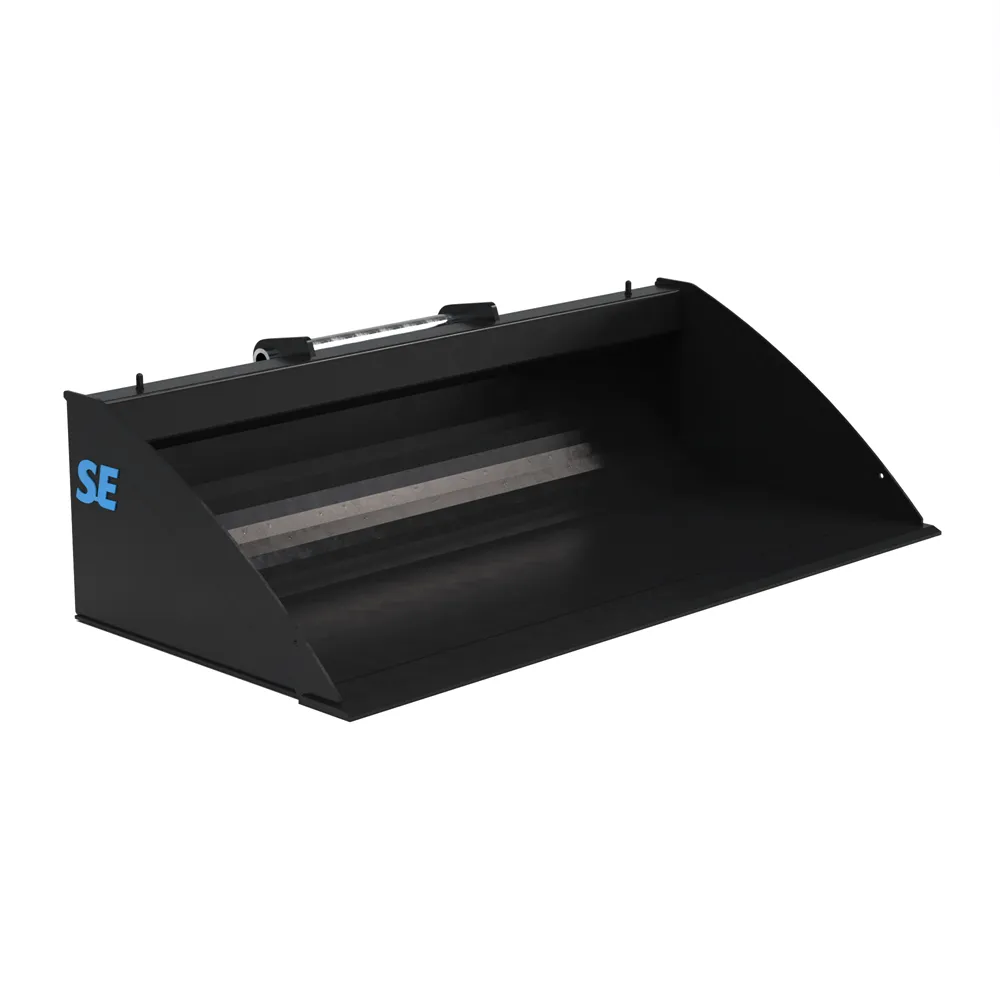
Levelling Bucket and Extension for Telehandlers - More Volume with the Same Machine
A levelling bucket suits loading bulk material and grain, while an extension increases its volume without needing a new bucket. See what to think about when choosing.
Read more →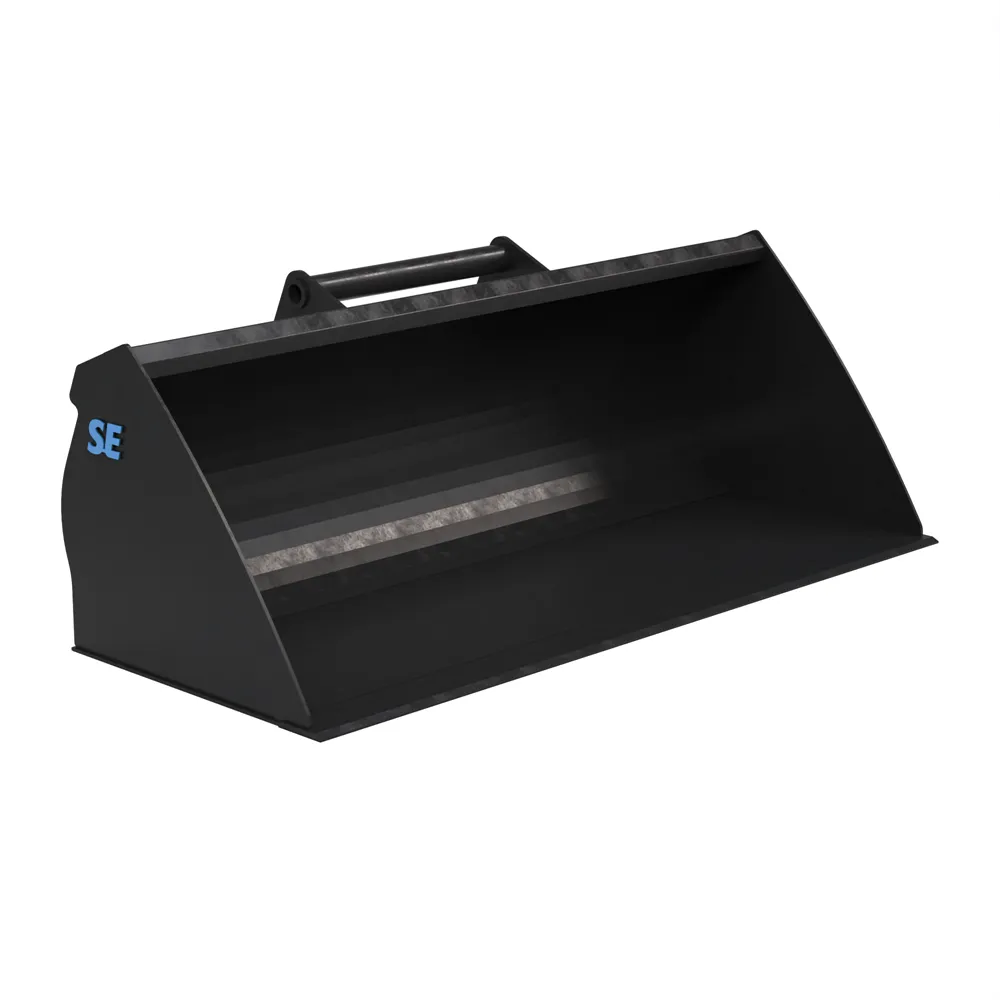
Universal Bucket for Telehandlers - Versatile Work With One Attachment
A universal bucket suits loading, light digging and moving material. We explain where it pays off and where a dedicated bucket is a better choice.
Read more →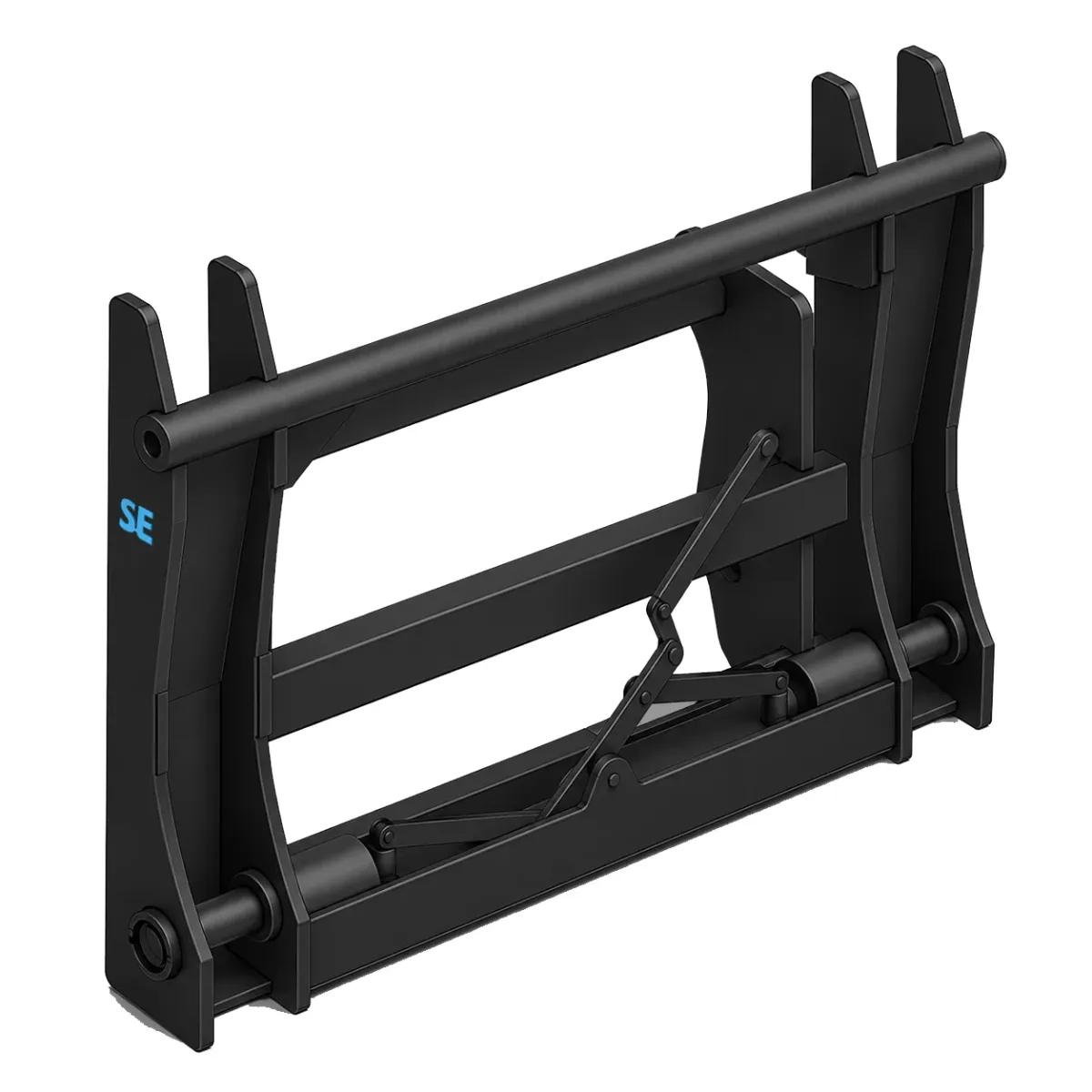
Telehandler Adapter - When the Machine and Attachment Have Different Mounts
An adapter connects a machine and attachment with different mounting systems when they aren't originally compatible. See when this is a sensible solution.
Read more →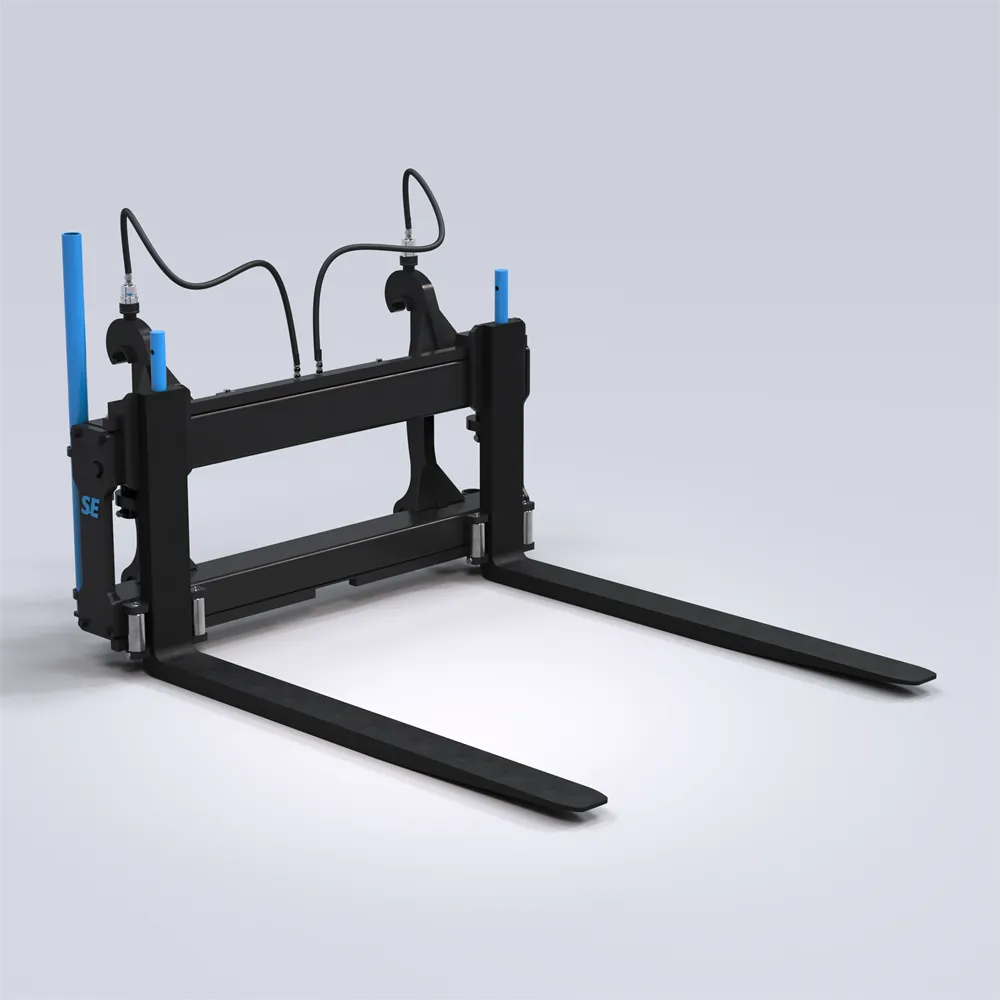
Avant Compact Loader Attachments - What a Capable Small Machine Can Do
The Avant compact loader is small but versatile. See which attachments Jaegel offers and what to check when choosing the mount.
Read more →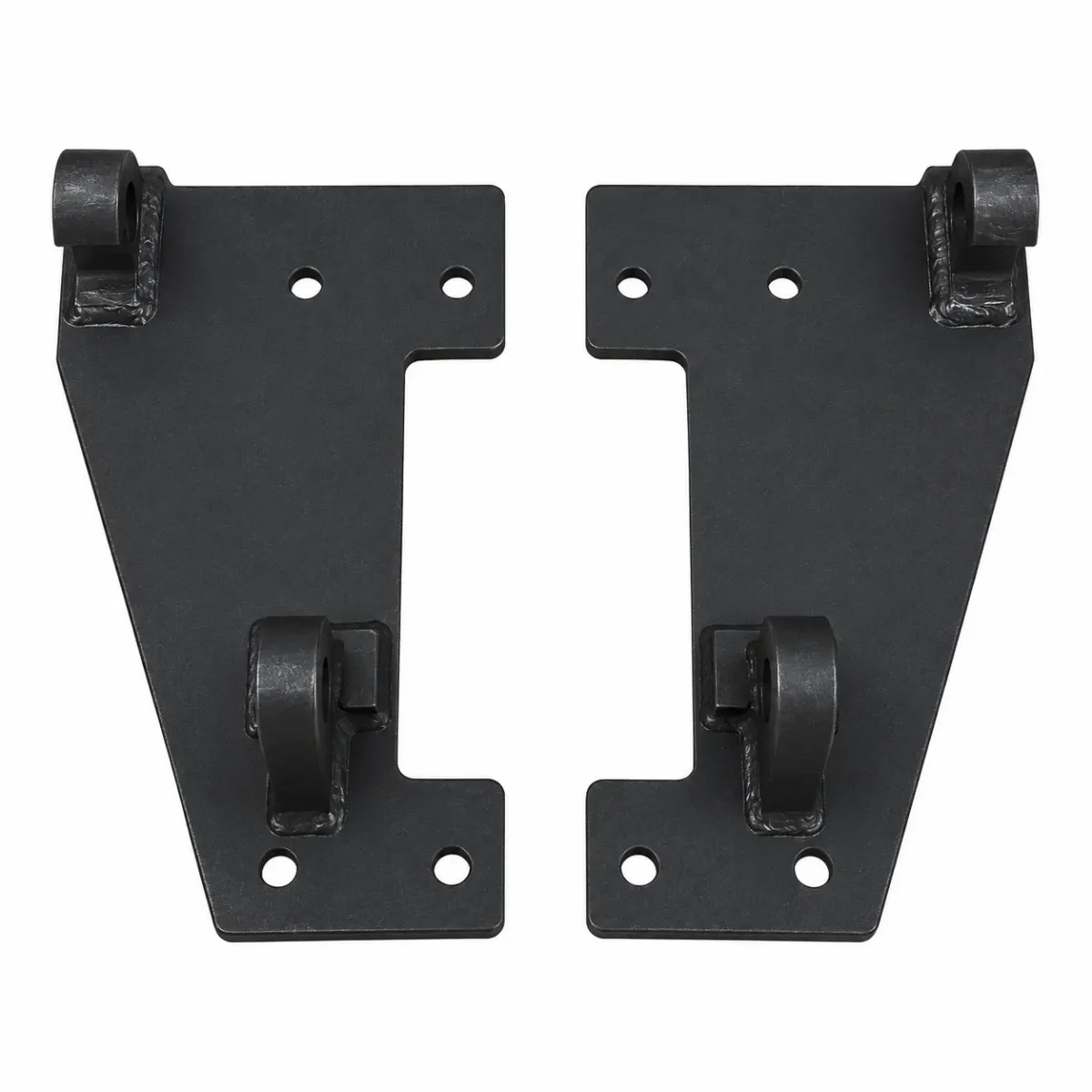
Kramer Loader Attachments - Mounts and Common Choices
Kramer loaders use different mounting systems depending on the model. See which attachments fit and what to check before ordering.
Read more →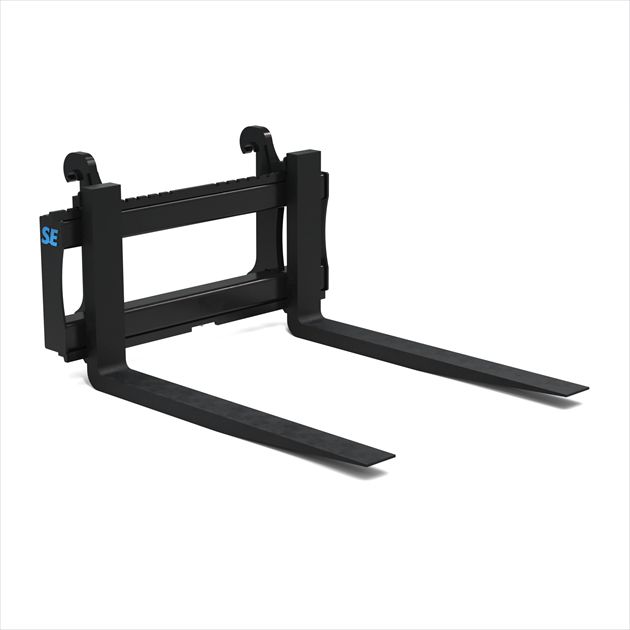
JCB Telehandler Attachments - Q-fit Mount and Common Choices
JCB telehandlers predominantly use the Q-fit mounting system. See which attachments Jaegel offers and what to check when choosing the mount.
Read more →Weidemann Loader Attachments - What Manufacturer-Specific Mounts Bring
Weidemann loaders often use the manufacturer's own mounting system. See which attachments Jaegel offers and what to check regarding it.
Read more →Manitou Telehandler Attachments - What to Choose and What to Watch For
Manitou telehandlers can be fitted with attachments ranging from pallet forks to grading buckets. We explain what to consider when choosing the mount and dimensions.
Read more →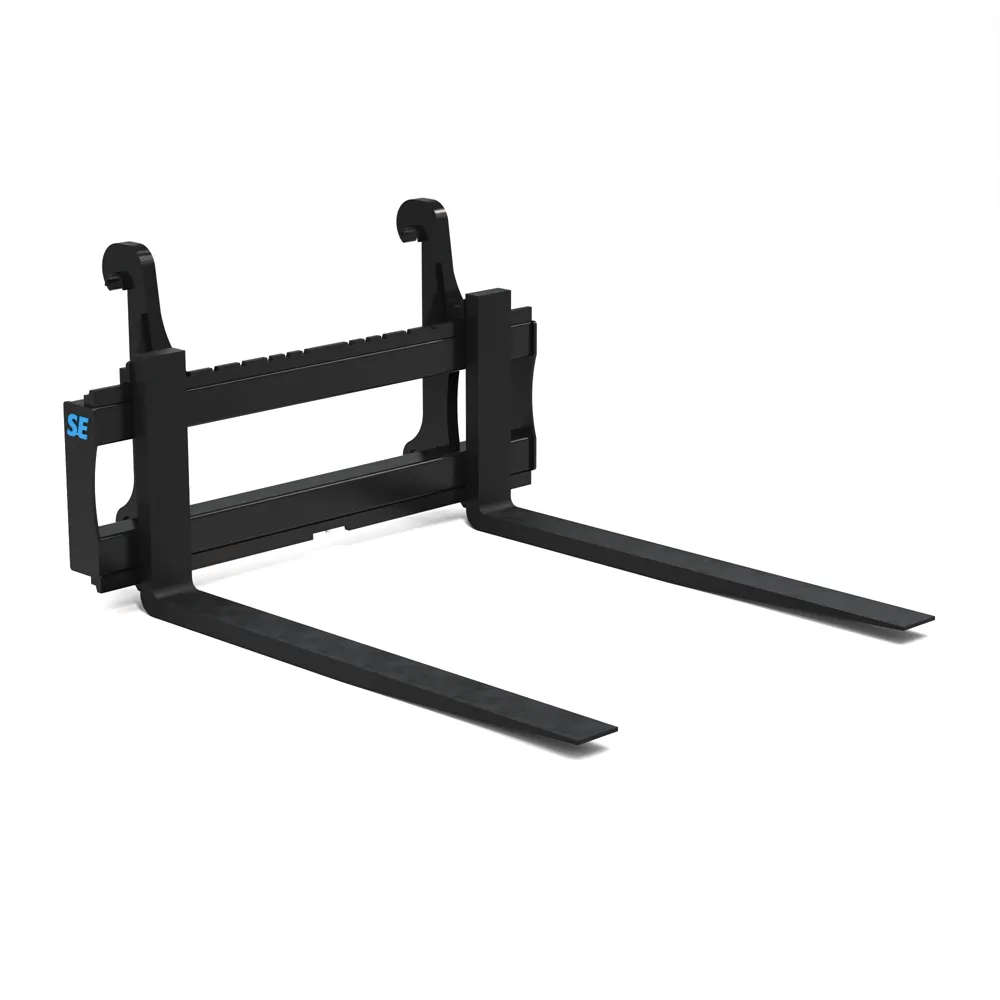
Attachments for Volvo Big BM Mount Loaders - What to Know Before Choosing
A wide range of attachments is available for Volvo Big BM mount loaders. We explain how to identify the mount and which attachment to choose when.
Read more →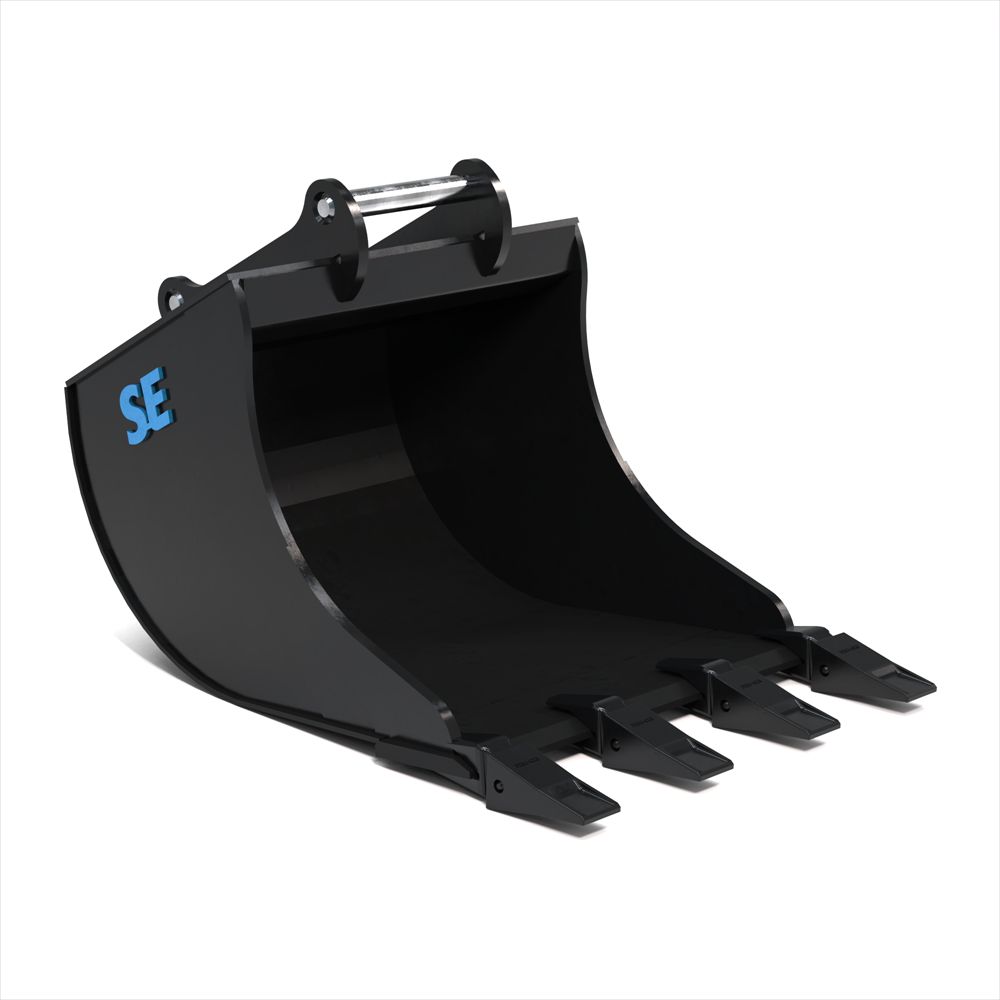
Attachment Maintenance and Winter Storage - What to Watch For
Winter is the most demanding time for attachment maintenance and storage. We explain what to do before winter and how to store equipment during it.
Read more →
How to Extend an Attachment's Lifespan - Simple Maintenance Habits
An attachment's lifespan depends a lot on everyday habits. We outline simple maintenance practices that keep buckets, forks and grapples working longer.
Read more →
Safety Requirements When Using an Attachment - What Every Operator Needs to Know
Safe use of an attachment starts with the right mount and ends with the right working technique. We cover the key safety requirements every operator should know.
Read more →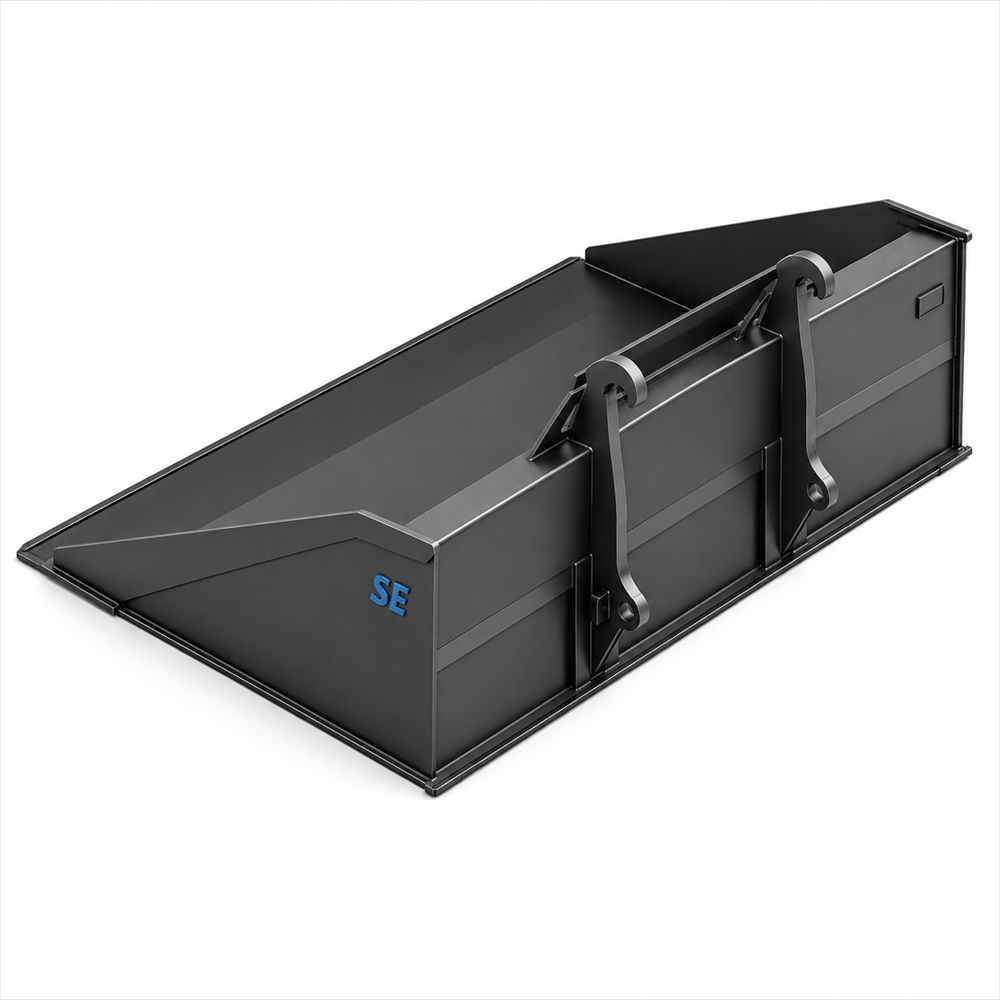
Rent or Buy an Attachment - When Each Option Pays Off
Renting and buying suit different situations. We explain which factors drive the decision and when buying an attachment pays off.
Read more →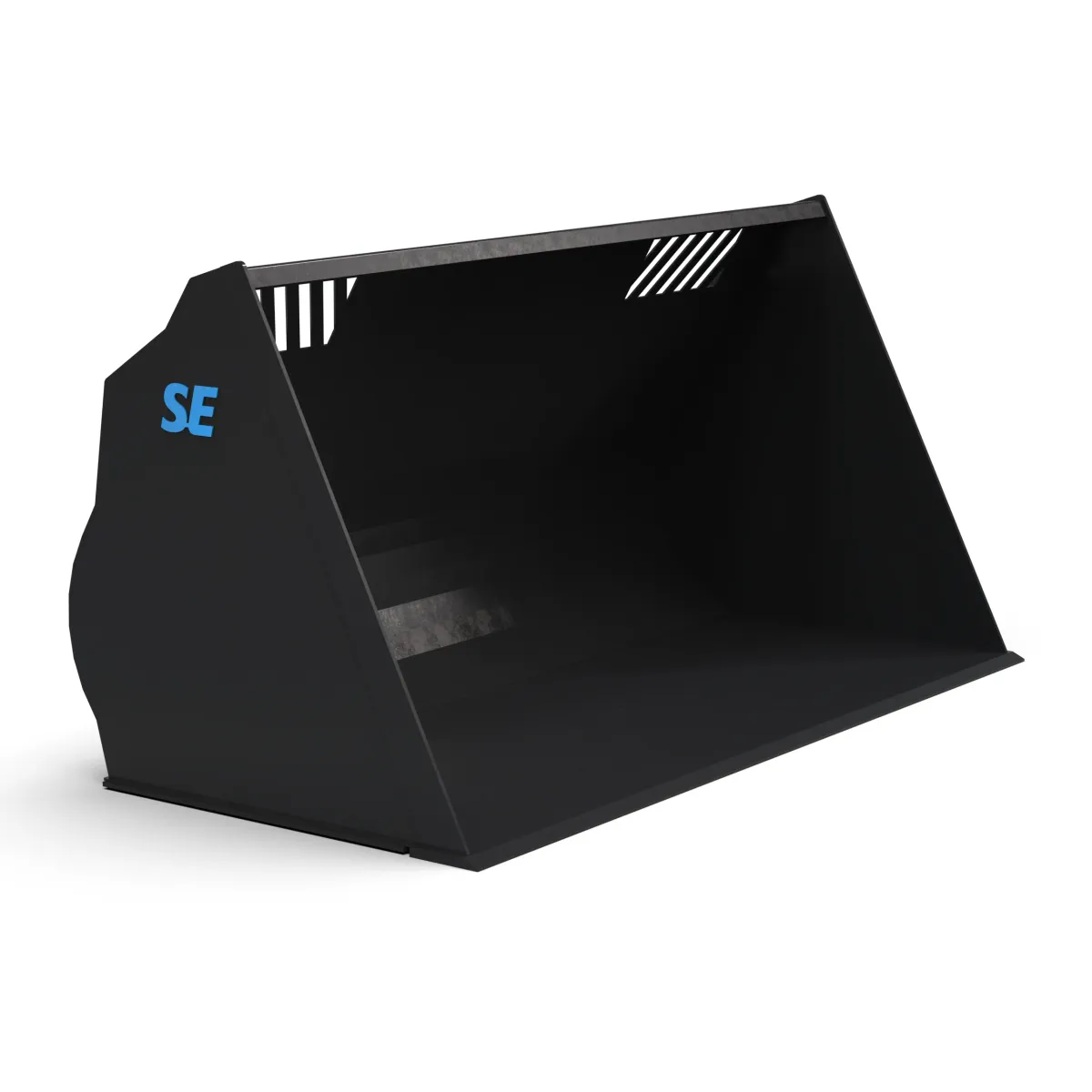
Used or New Attachment - What to Weigh Before Deciding
A used attachment is cheaper, but not always the better deal in the long run. We explain what to look out for with used equipment.
Read more →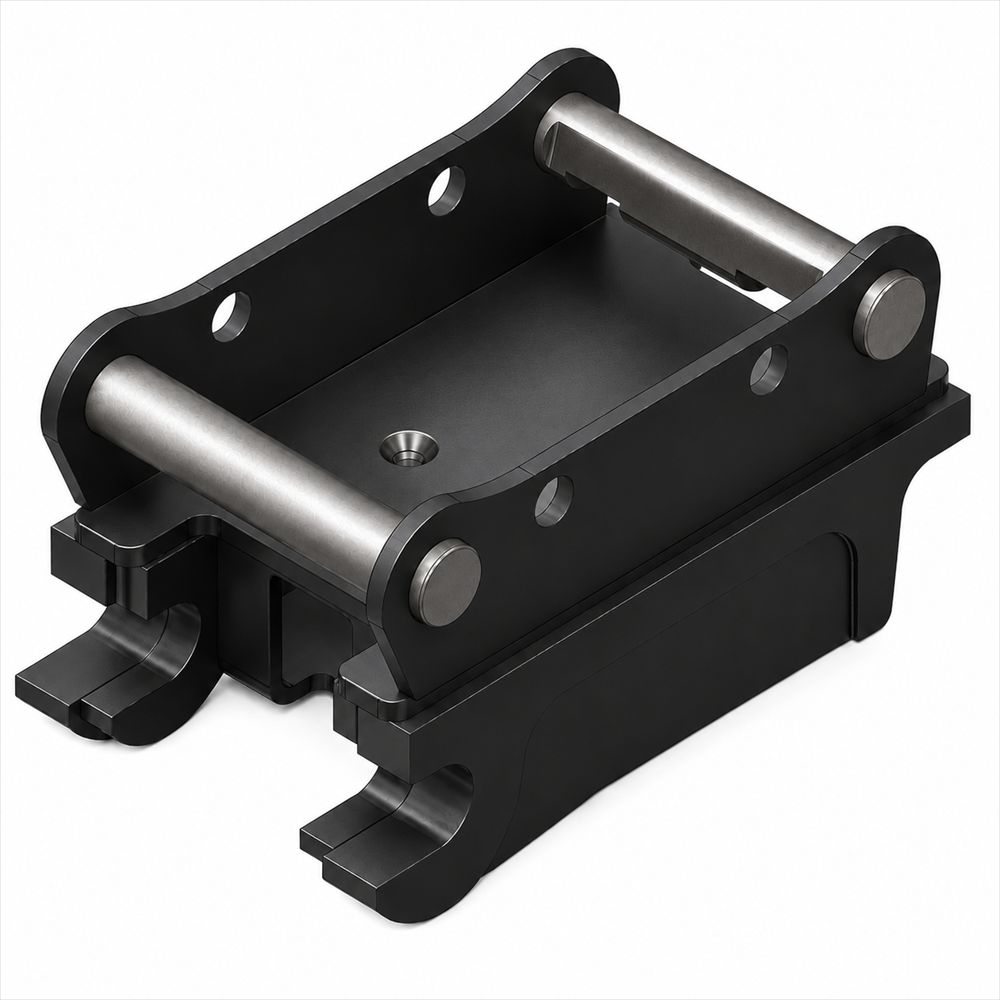
Attachment Returns and Warranty - What to Expect from Jaegel
Warranty and returns give peace of mind when buying a new attachment. We explain how it works at Jaegel and what to watch for.
Read more →Attachment Delivery to Estonia, Finland and Latvia - What to Know About Transport
A heavy, oversized attachment needs its own rules for transport planning. We explain what to know about delivery to Estonia, Finland and Latvia.
Read more →Attachment Weight and Machine Lift Capacity - Why This Number Matters So Much
An attachment's weight and the machine's lift capacity need to be in balance. We explain why this matters and how to choose the right size.
Read more →Matching Hydraulics to an Attachment - Hoses, Fittings and Flow Rate
A hydraulic attachment needs a suitable outlet and flow rate on the machine. We explain what to check when matching hydraulics.
Read more →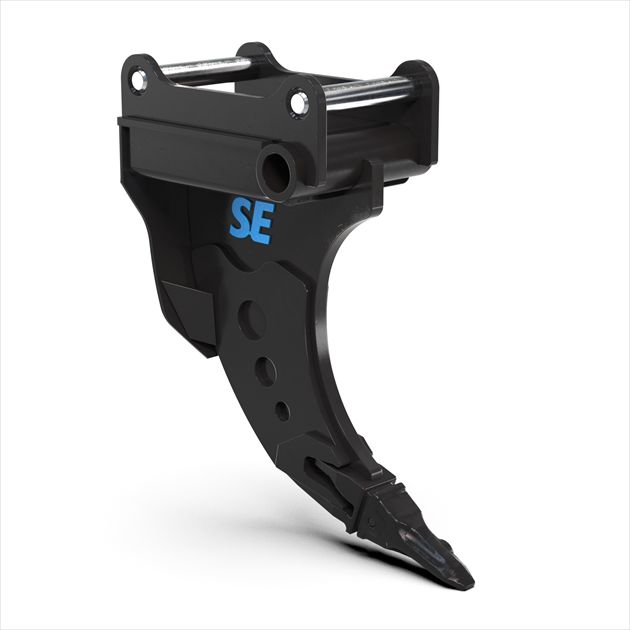
CE Marking and Safety Standards for Attachments - What It Guarantees You
CE marking shows that an attachment meets European safety requirements. We explain what this means and what it doesn't guarantee.
Read more →Bucket Wear Parts Replacement - When Is It Time to Renew Teeth and Strips
A digging bucket's teeth and strips wear down naturally with use. We explain which signs show that it's time to renew the wear parts.
Read more →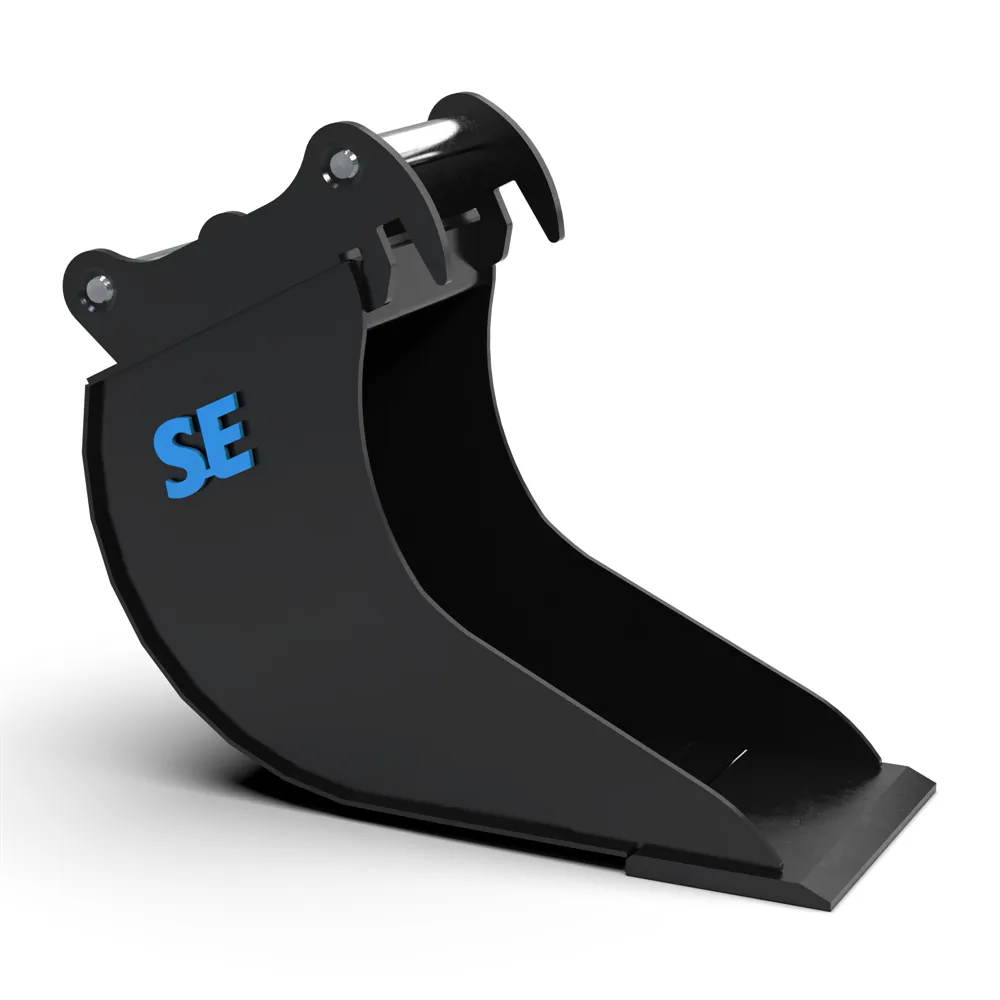
Pin and Bushing Maintenance on an Attachment - Reduces Play and Wear
Maintaining pins and bushings is a simple but often neglected task. We explain how regular greasing prevents play and wear.
Read more →Corrosion Protection and Painting for Attachments - How to Protect Against Rust
Rust reduces an attachment's lifespan and value. We explain how to prevent corrosion and when repainting makes sense.
Read more →Forestry Attachments - From Brush Cutters to Log Grapples
Forestry work uses several different attachments on excavators and loaders. We give an overview of what to choose and when.
Read more →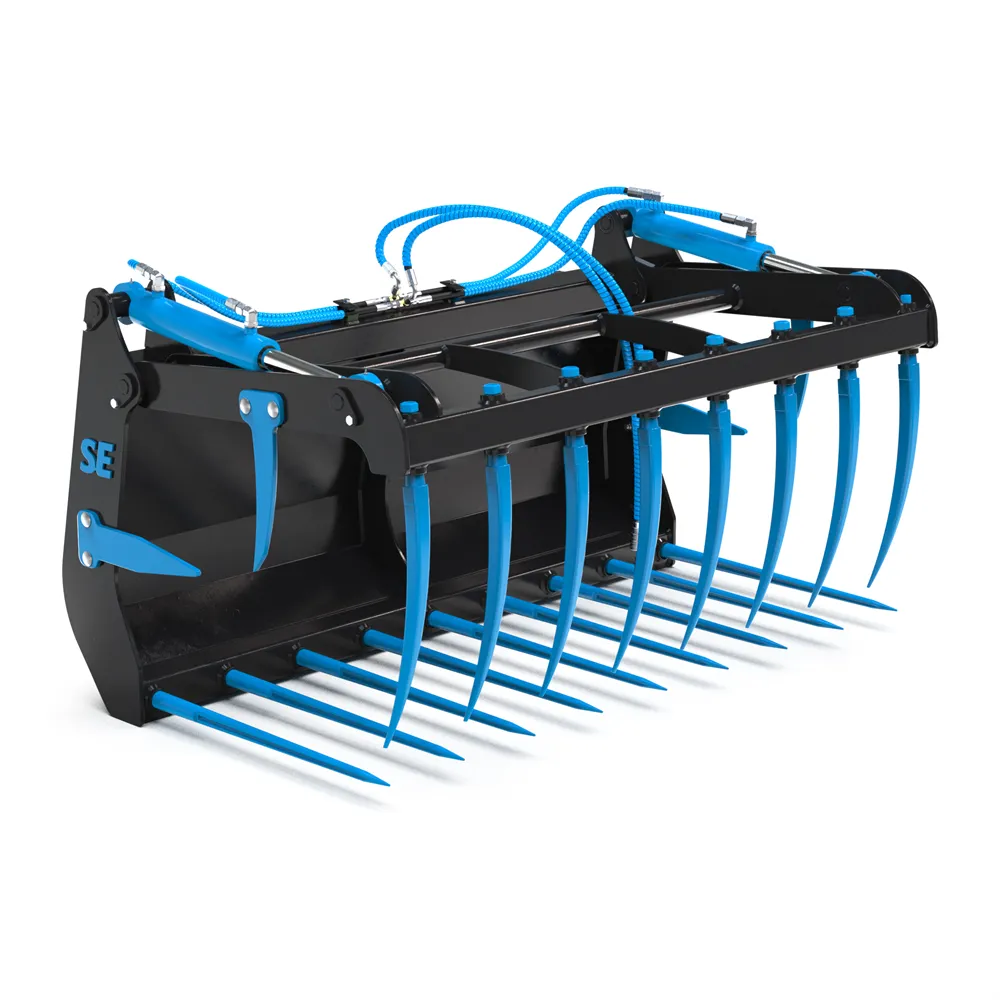
Farm Attachments - What to Choose for a Tractor and Loader
On a farm, a tractor and loader handle several tasks year-round. We give an overview of which attachments matter most for farm work.
Read more →Construction Site Attachments - From Digging to Moving Materials
On a construction site, an excavator and loader need several different attachments. We give an overview of what to choose for digging and moving materials.
Read more →Road and Street Maintenance Attachments - From Snow to Asphalt Cutters
Road and street maintenance needs different attachments year-round. We give an overview of what to choose for winter and summer.
Read more →Municipal Utility Attachments - What to Choose for Year-Round Work
A municipal utility company needs versatile attachments year-round. We give an overview of what to choose for winter and summer upkeep.
Read more →Landscaping Attachments - From Stone Walls to Mulching
Landscaping work needs several different attachments - from lifting stones to leveling soil. See which excavator and loader attachments do the most work in landscaping.
Read more →Warehouse and Port Attachments - Handling Containers and Heavy Loads
The main job in warehouses and ports is moving containers, pallets and heavy loads. See which forklift attachments are suited to this work.
Read more →Silage and Feed Handling Attachments - From Silage Grabs to Silage Forks
Loading, hauling and distributing silage and feed each need their own attachments. See the difference between a silage grab and a silage fork and when to use each.
Read more →Handling Aggregate and Sand - Why a Light Material Bucket Holds More Than a Standard Bucket
Hauling aggregate and sand goes faster with a larger bucket, since these materials are light. We explain why a light material bucket holds more volume and when it pays off.
Read more →Attachments for Stone Wall Construction and Landscaping
Building stone walls and landscaping require sorting, lifting and precise placement of stones. See which attachments are suited to this work.
Read more →Tires vs Tracks - How It Affects Your Choice of Attachment
Tires and tracks have different ground pressure and stability, which also affects attachment size and how it's used. We explain what this means in practice.
Read more →Telehandler vs Wheel Loader - What to Choose and How Attachments Differ
A telehandler and a wheel loader look similar from a distance, but differ in lift height and reach. We explain what this means for choosing an attachment.
Read more →Excavator vs Mini Excavator - Do Attachments Fit Both?
An excavator and a mini excavator have different weight and mount size, which directly affects attachment choice. We explain how to choose an attachment that fits both.
Read more →Sharing One Attachment Between Two Machines - Adapter, Combi Mount or Two Separate Mounts?
If your company has two machines with different mounts, you don't need to buy two buckets right away. We explain when to choose an adapter, a combi mount or a separate attachment.
Read more →How to Read an Attachment's Product Description - Weight, Volume, Width and What They Mean
An attachment's product description has a lot of numbers - weight, volume, width, mount. We explain what these mean in practice and what to pay the most attention to.
Read more →Attachment Price Inquiry vs Immediate Purchase - Which Route to Choose?
Some attachments are in stock and available immediately, others need to be ordered. We explain when it's worth sending a price inquiry and when you can order the attachment right away.
Read more →Bucket Width vs Machine Width - Why They Need to Match
A bucket's width doesn't always have to match the machine's width exactly, but the wrong choice can cause stability and work problems. We explain what to pay attention to.
Read more →Checking the Mount Lock Before Starting Work - A Simple Habit That Prevents Accidents
An improperly locked attachment is one of the most common causes of accidents in machine work. We explain exactly what to check before every workday and every load.
Read more →Ordering Attachment Spare Parts and Wear Parts - How It Works at Jaegel
Teeth, cutting edges, bushings and seals wear out over time. We explain what you need to know when ordering a spare part and how the process works at Jaegel.
Read more →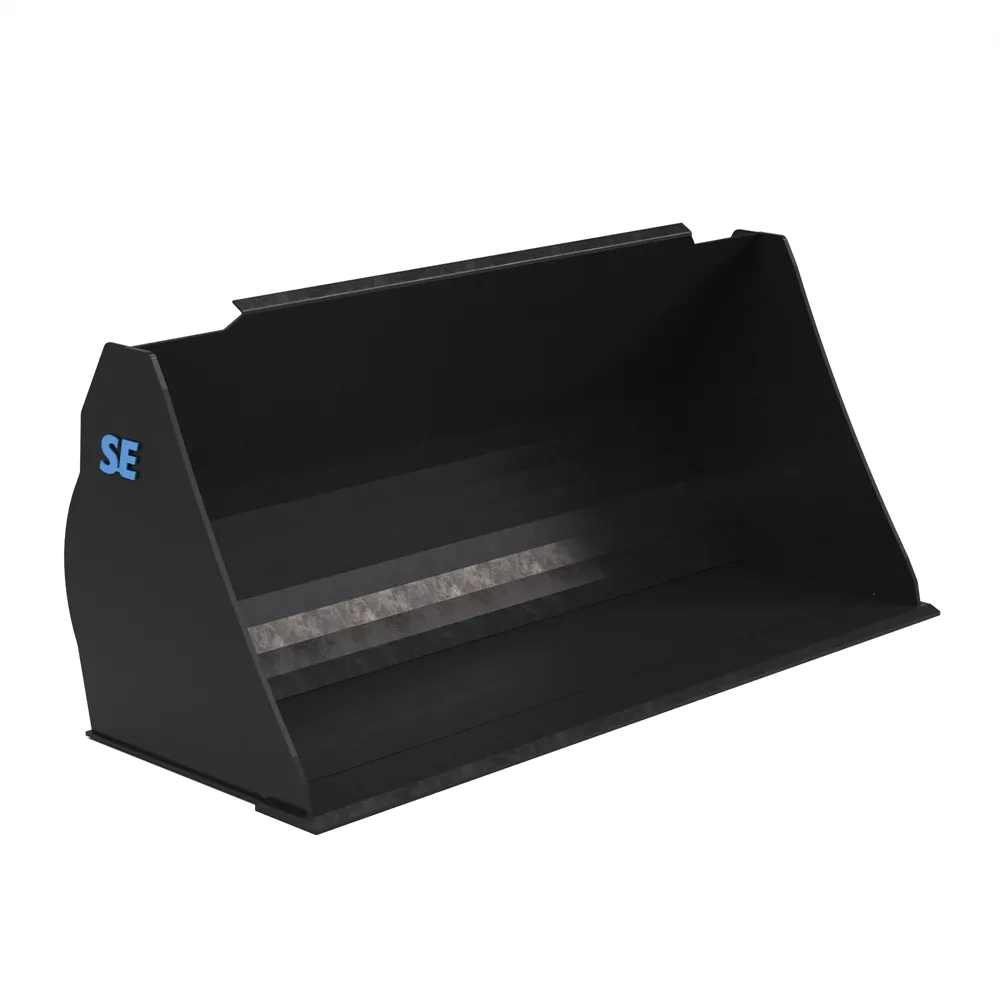
Loading Bucket and Digging Bucket - Does the Same Bucket Work for Both Jobs?
A loading bucket and a digging bucket look similar, but are built for different purposes. We explain the difference and when one bucket is enough for both jobs.
Read more →Winter Snow Removal Attachments - Snow Plow, Snow Bucket or Brushes?
A snow plow, snow bucket and brushes suit different snow volumes and surfaces. See the difference and which attachment to choose for your machine.
Read more →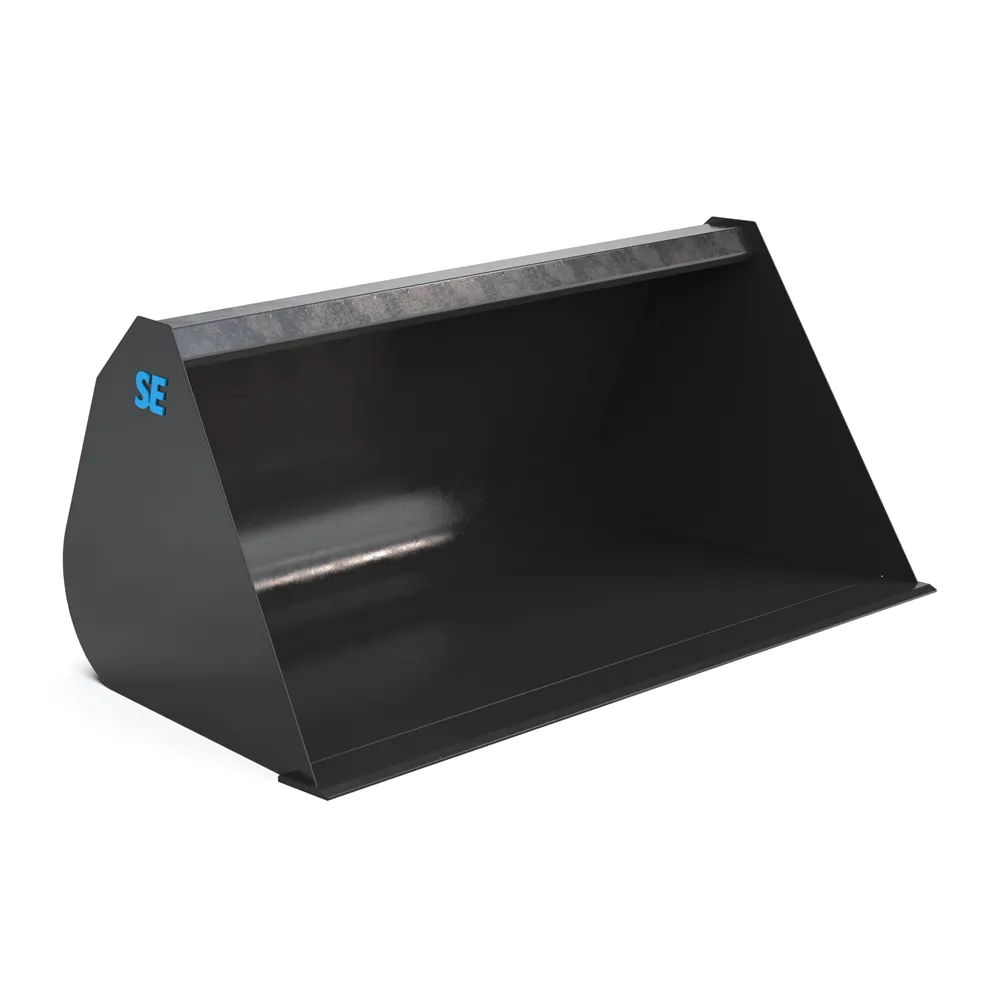
Agricultural Vehicle Attachments - When to Use a Tractor, When a Wheel Loader
A tractor and a wheel loader play different roles in agricultural work. We explain when to choose a tractor attachment and when a wheel loader is more practical.
Read more →Why Some Buckets Lose Material in Transit and How to Prevent It
When a bucket loses material during loading, the cause isn't always the operator's skill - often the problem is the bucket's condition or the wrong choice. We explain what to pay attention to.
Read more →Storing an Attachment Between Seasons - How to Avoid Wear and Rust
How an attachment is stored during the off-season directly affects its condition the following season. See which steps keep an attachment in good shape and ready to use.
Read more →How to Choose the Right Supplier for an Attachment - What to Check Before Buying
When buying an attachment, the choice of supplier matters more than just the price. We explain what to check before buying to avoid an unsuitable product and later problems.
Read more →