In short: Safe use of an attachment requires the mount to be properly locked, the attachment to match the machine's lift capacity and hydraulics, and the operator to know the equipment's specific limits. Most accidents involving attachments are preventable with simple checks before work begins.
Why safety requirements matter especially for attachments
The attachment is the link between the machine and the work site: it affects the machine's balance, visibility and the range of its moving parts. If an attachment is wrong, loose or overloaded, the risk falls on the operator, the people around, and the machine itself.
Checks before work begins
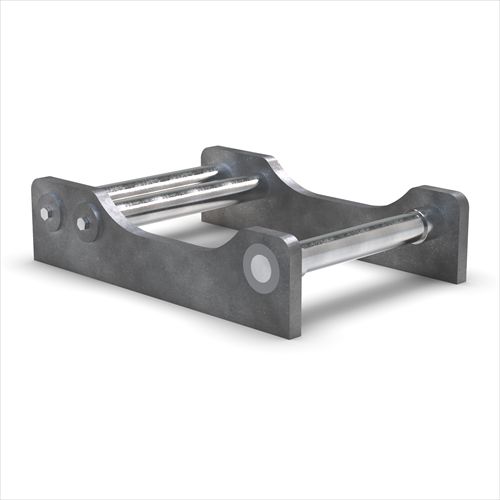
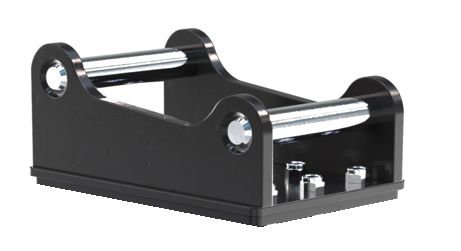
- Mount locking: confirm visually and physically that the quick coupler is fully locked. An incomplete lock is one of the most common reasons an attachment comes loose.
- Hydraulic connections: check that the hoses and fittings are connected correctly and leak-free before applying pressure.
- Lift capacity: make sure the attachment plus the planned load stay within the machine's permitted limits, especially with the boom extended or raised high.
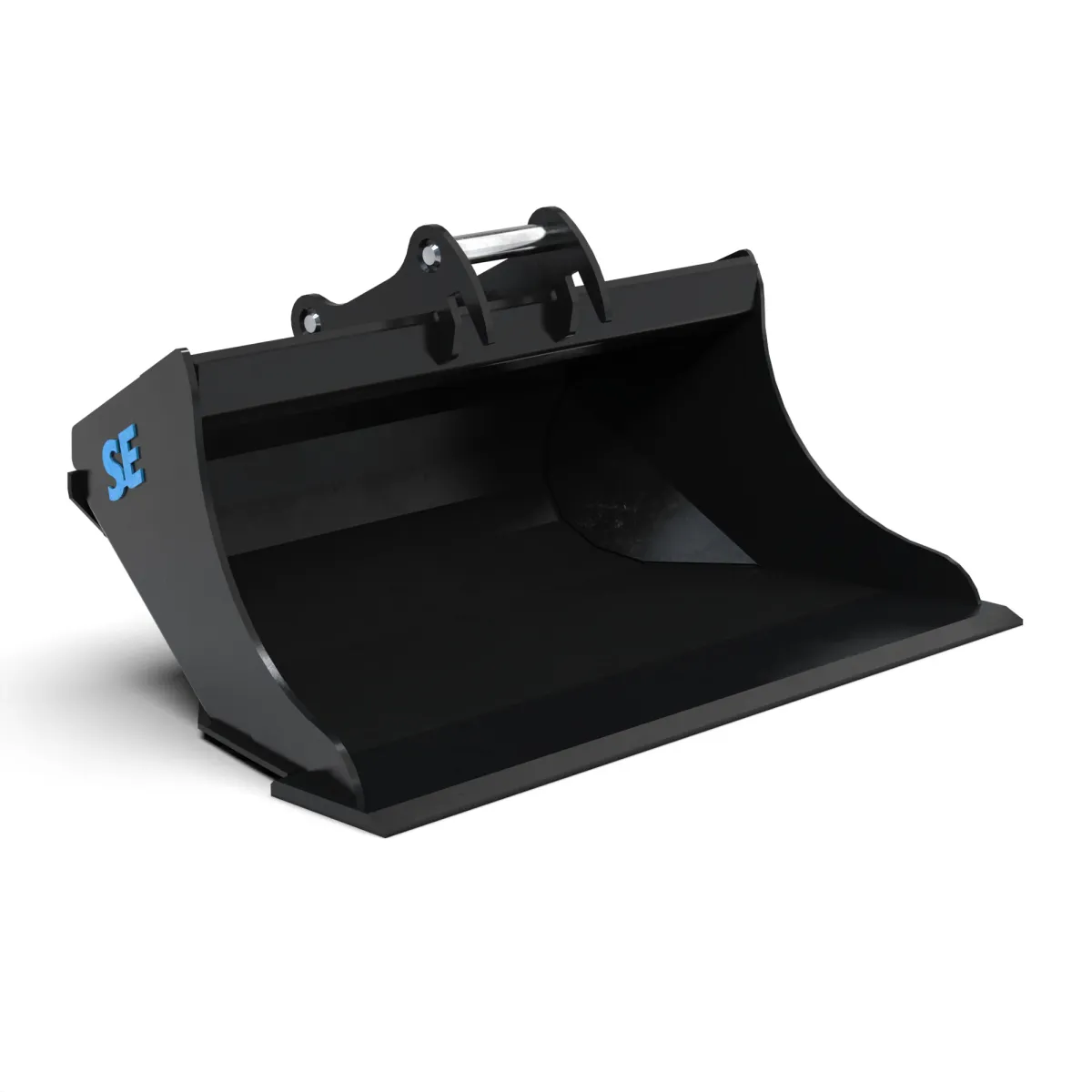
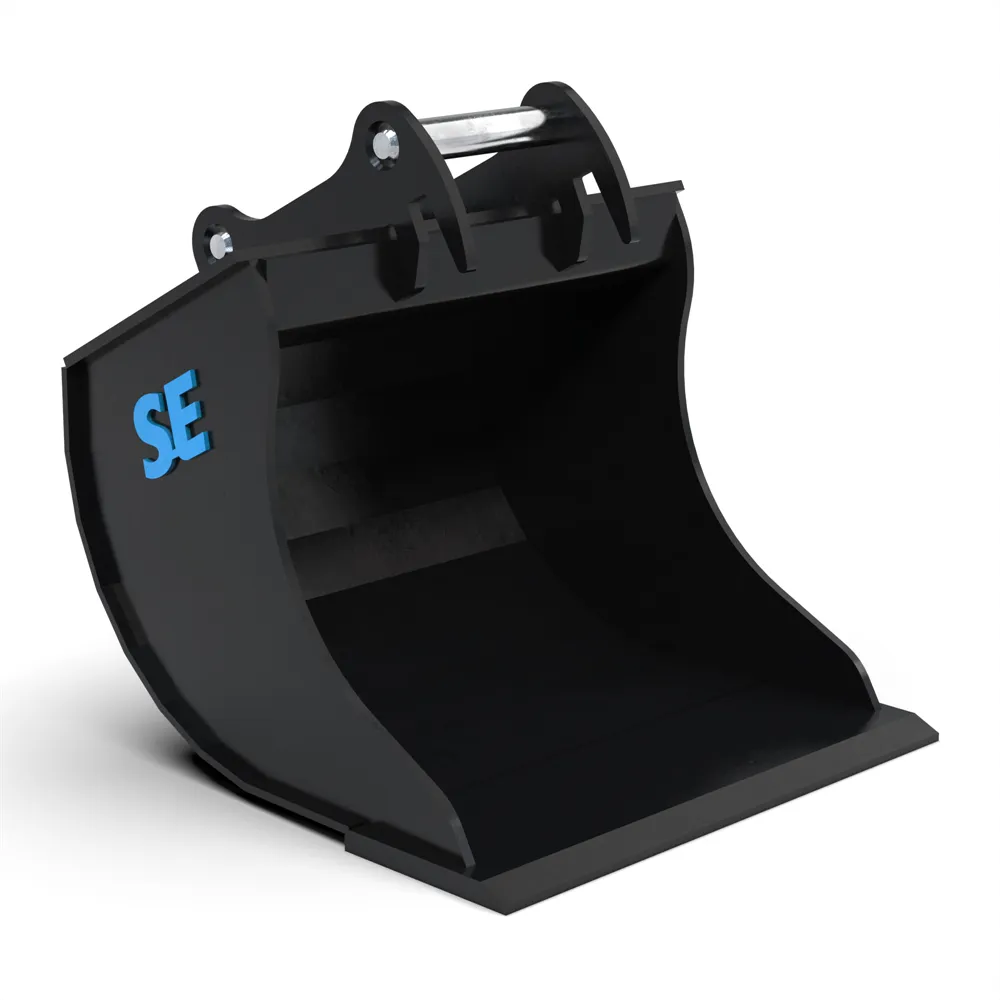
- Field of view: an attachment can restrict visibility, especially with larger buckets and grapples. Use a spotter or camera when needed.
During work
- Keep a safe distance: people and other machines must stay outside the attachment's range of movement.
- Avoid sudden movements: especially with a full bucket or a load lifted high, since this affects the machine's balance.
- Watch the ground and surface: uneven or slippery ground combined with a heavy attachment can throw the machine off balance.
- Listen to the machine: unusual sounds from the hydraulics or joints point to a problem that shouldn't be ignored while continuing work.
CE marking and standards
CE marking shows that the attachment complies with the safety requirements in force in Europe. It's a good starting point, but it doesn't relieve the operator of daily checks and correct use. Read more on this in our article CE marking and safety standards for attachments.
Common mistakes
- The lock isn't checked by hand: a visual check isn't enough if the locking tongue isn't fully in position.
- An attachment is swapped between machines without checking: different machines can have different lift capacities, what suited one doesn't suit another.
- Wear parts are ignored: worn teeth or strips make the attachment's behavior unpredictable.
We'll help you choose the right, safe attachment
If you want certainty that an attachment is compatible with your machine and safe to use, send us the machine's details and the planned work. We'll go through our whole attachment range and recommend the right one. Get in touch via our contact page.
Tell us your machine's make and model - we'll help you find the right attachment. We are the official importer of SE Equipment in Estonia.