In short: Material loss from a bucket in transit is usually the result of one of three causes: a worn or damaged cutting edge, the wrong bucket type for the material, or uneven filling and movement. All three can be identified and fixed.
Worn cutting edge and bucket floor
Cracks, bends and wear holes on the bucket's cutting edge let material flow through, which often isn't noticed at first glance. Wear on the floor, especially from constantly loading light materials, also creates holes that finer material spills out of.
- Check the cutting edge: look for cracks, bent corners and unevenness that create gaps between the bucket and the surface.
- Check the floor's condition near the mount: metal often wears out there before it's noticeable on the rest of the bucket.
- Replace wear parts in time: if the bucket has separately replaceable cutting edges, it's cheaper to replace them before the wear reaches the main structure.
Wrong bucket type for the material
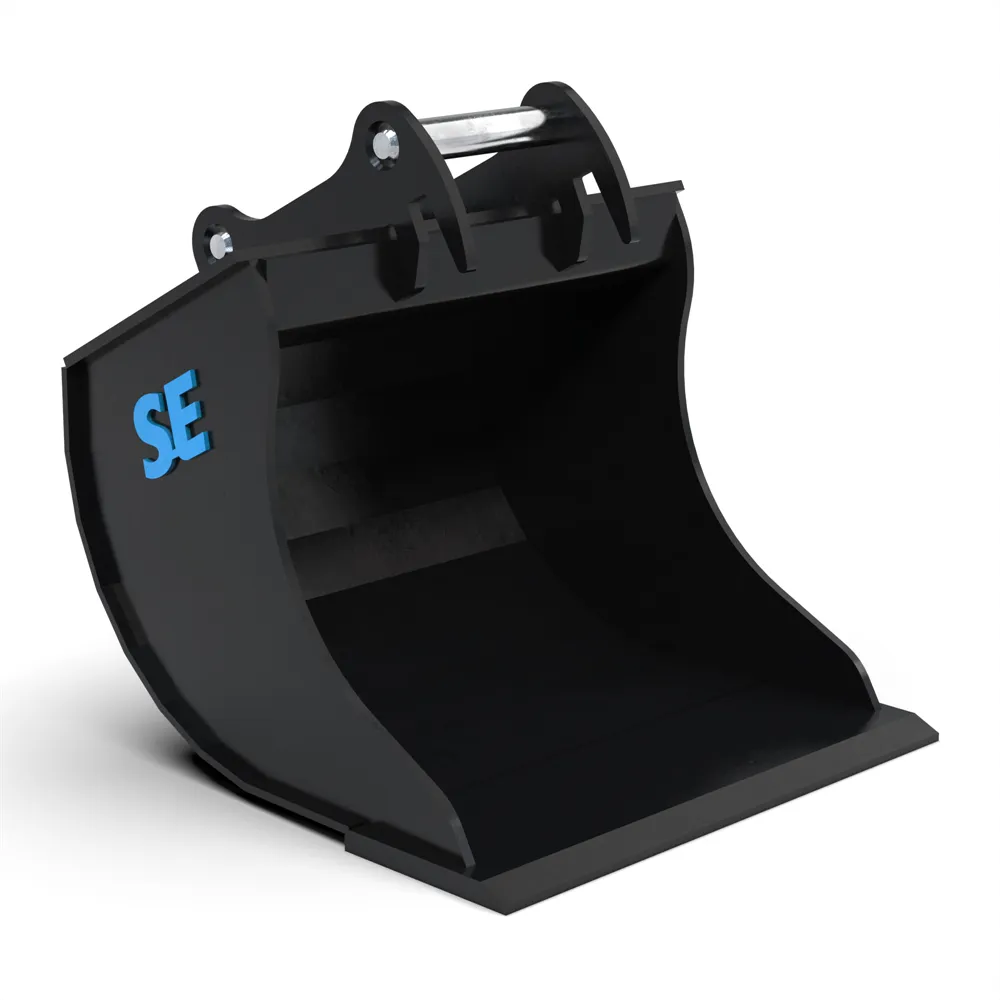
Not every bucket is suited to every material. Loading finer, wetter material, for example wet sand or fine aggregate, into a standard loading bucket can mean part of the material slips out through the gaps between the bucket's edges and floor already during movement, if the bucket isn't tight enough for that material.
- A tighter construction: if you often load finer material, check that the bucket is designed specifically for that material, rather than a general-purpose bucket meant to be average at everything.
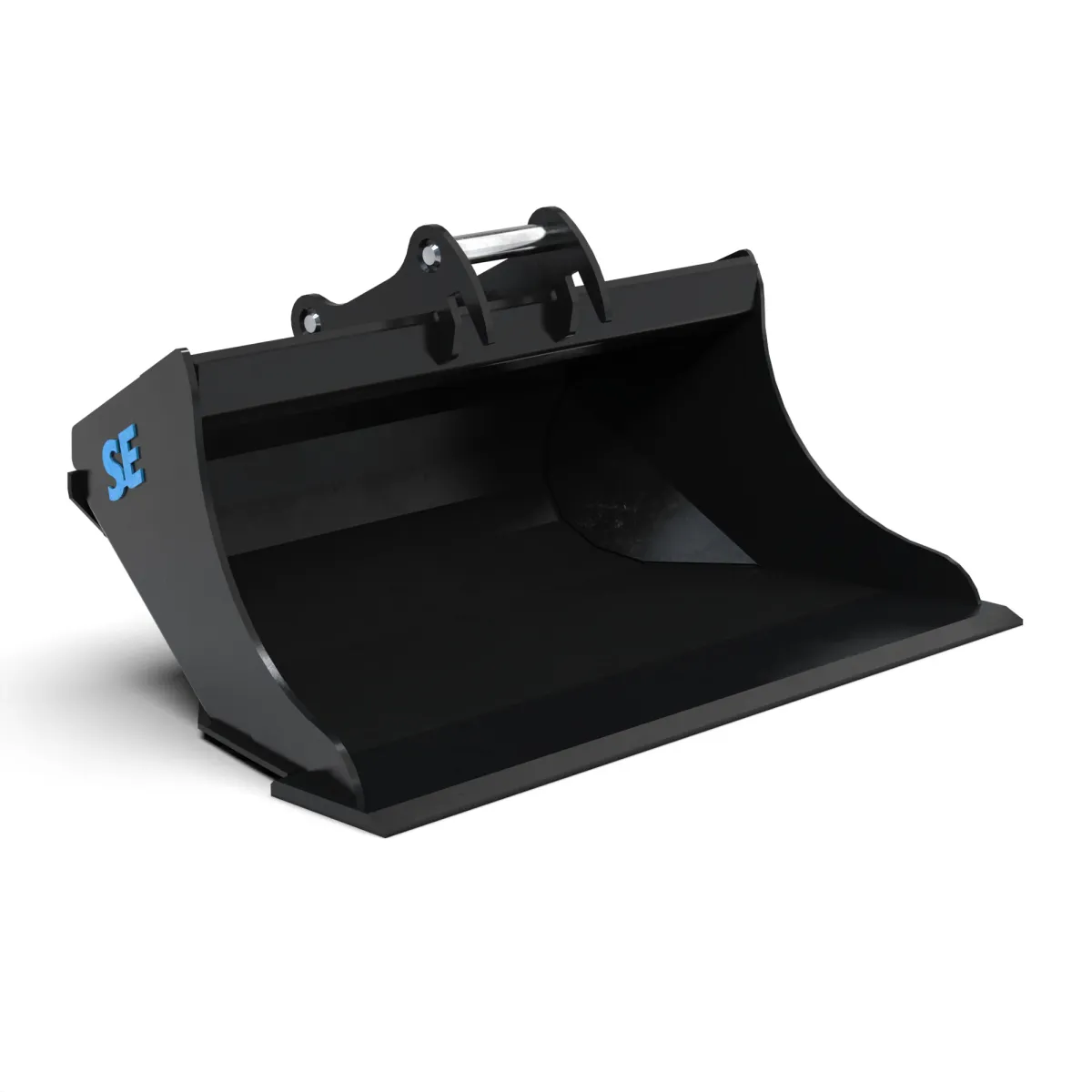
- Light material bucket: for larger quantities of light material, a greater wall height helps keep the material in the bucket, see our light material buckets.
Uneven filling and movement
- Moving too fast: sharp acceleration and braking with a load throws material over the bucket's edge.
- Overfilling above the edge: filling above the bucket's edge looks time-saving, but most of that excess material falls off during transport.
- Wrong angle: the bucket's tilt angle during transport affects whether the material stays in place or starts flowing out the front.
How to solve the problem systematically
If material loss is noticeable, first check the condition of the bucket's cutting edge and floor - this is the most common and easiest cause to fix. If the bucket is in good condition, check whether the bucket type suits the material being loaded. Only as a last step is it worth changing working habits, such as the fill level and movement speed.
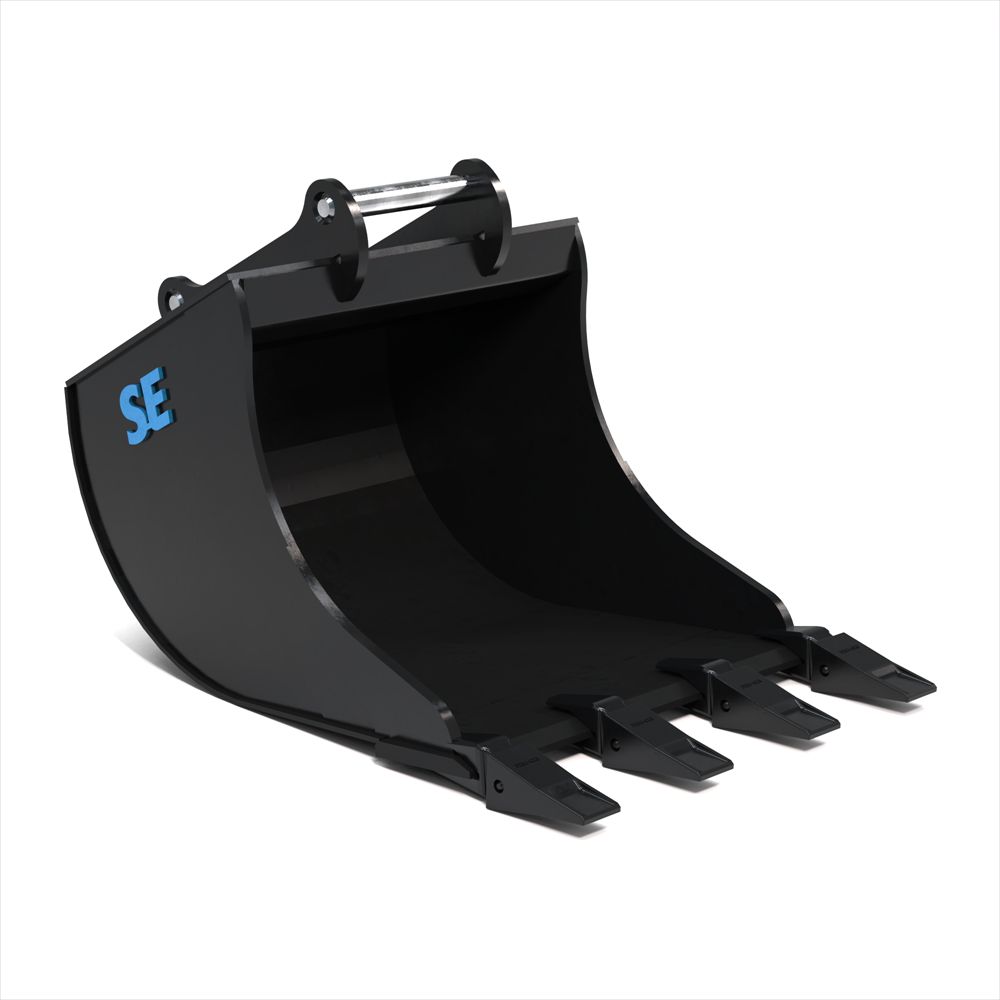
Describe to us what material you're loading and how the loss shows up, and we'll help figure out whether the problem is in the bucket or in how it's used. See also our digging bucket range or get in touch via our contact page.
Tell us your machine's make and model - we'll help you find the right attachment. We are the official importer of SE Equipment in Estonia.